
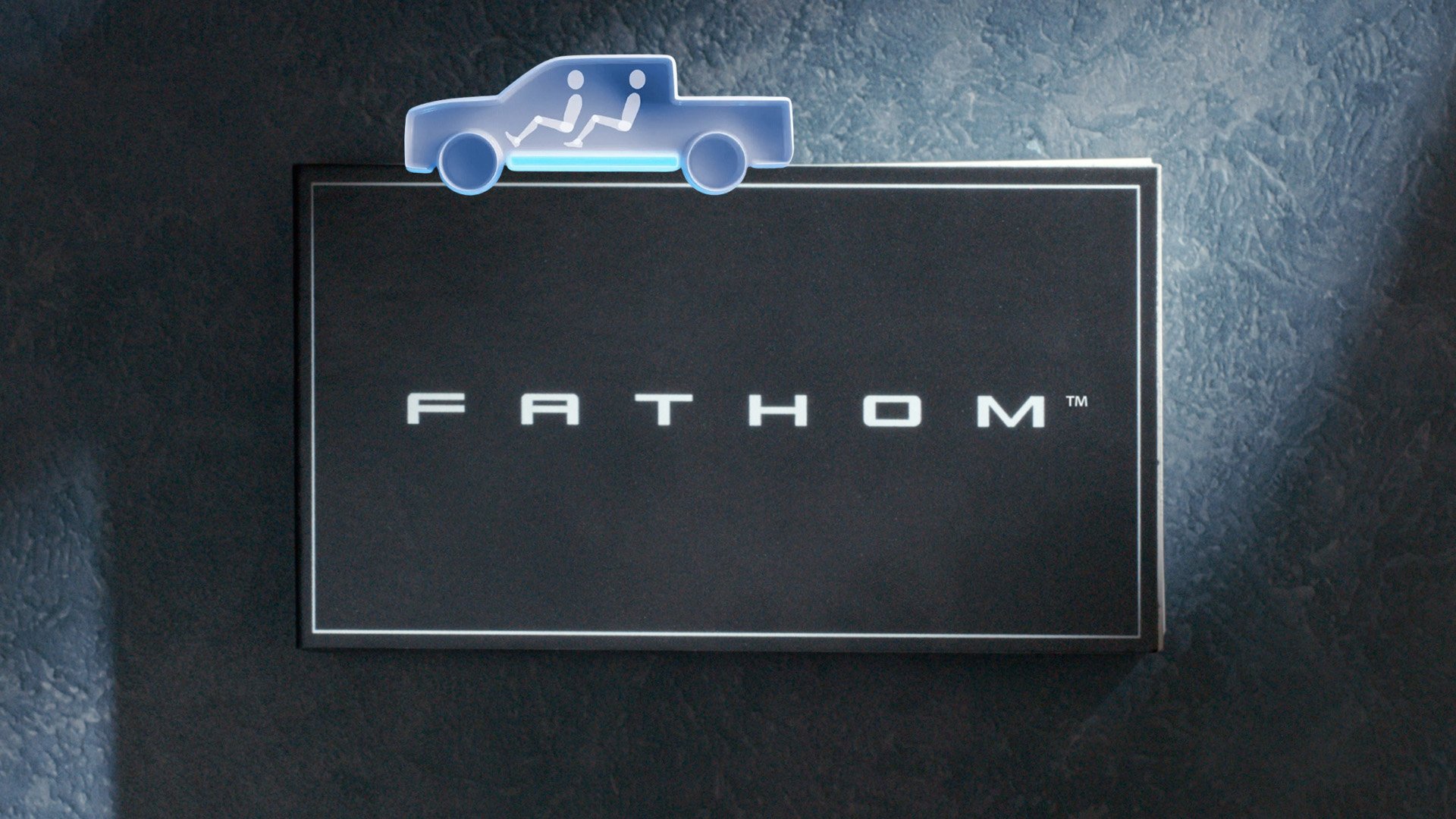
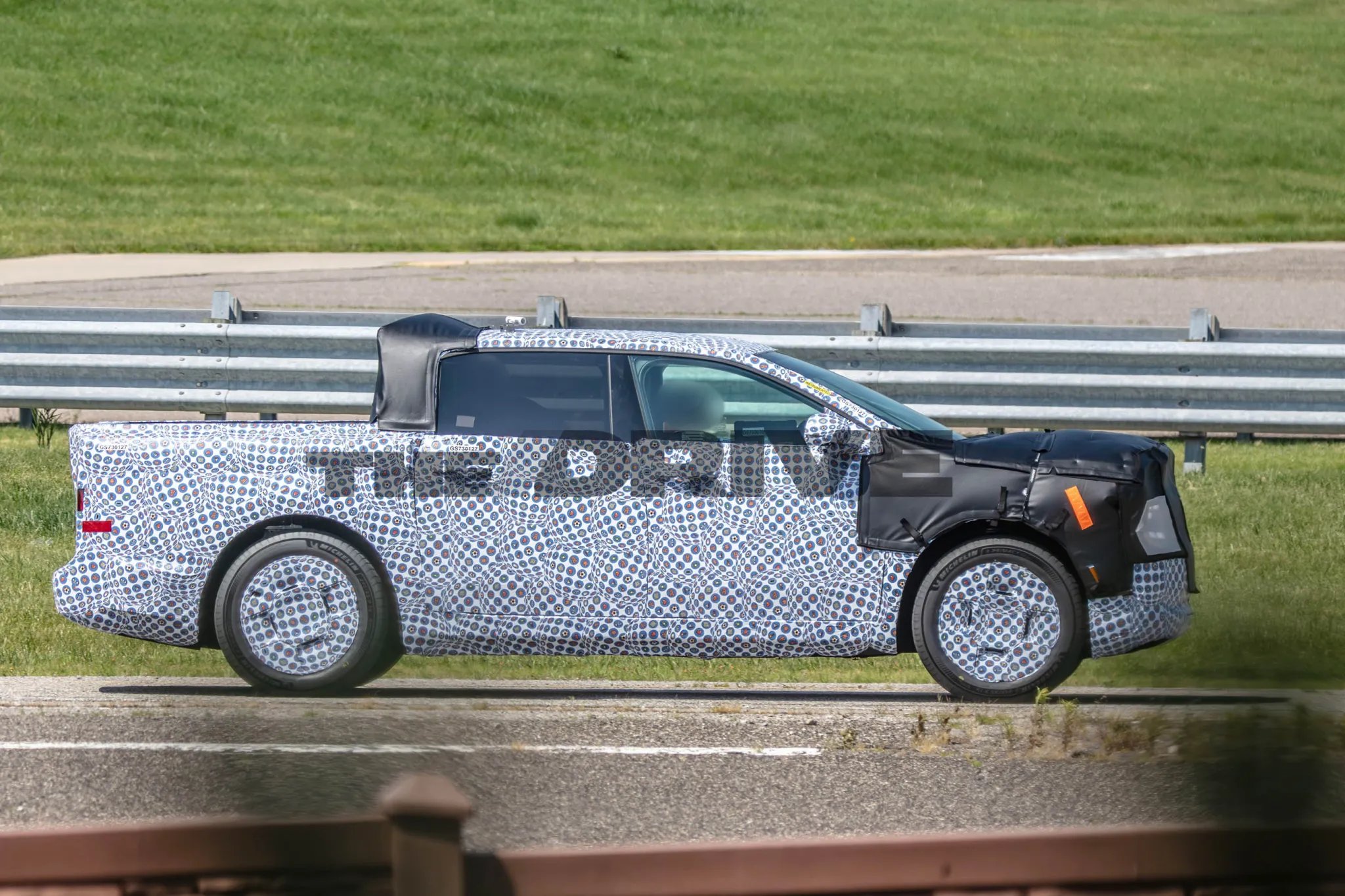
“We got an email this morning,” a Ford employee told me. “It’s just like, oh my god. Why? You could have called it the Galaxie. Or the Falcon? I like Falcon.” Instead, the new $30,000 EV pickup is called the Fathom. Hopeful enthusiasts were wishing the Ranchero name would get dusted off. But Ford is banking heavily on its innovative Universal Electric Vehicle (UEV) platform, so slapping a name from the past on the company’s hope for the future wasn’t the move. The debate spins around the axis of why, and more pointedly, how a baby gets its name.
It turns out, naming things is a job. Professionals staff entire agencies dedicated to the practice. To understand the hidden considerations that go into this kind of decision, I sought the expert counsel of Jay Jurisch, founder and Creative Director of naming agency Zinzin, and marketing leader Saul Colt, founder of The Idea Integration Company. Spoiler alert: both think Fathom is a well-chosen name, but not without challenges.
Everyone’s a critic with an opinion
You can count on auto enthusiasts for loud second-guessing. There’s big feelings being shared about the Ford Fathom name. Professionals aren’t immune to hip-shooting, either.
“I think Fathom is actually a pretty good name — for something, but not necessarily for this truck,” was Jay Jurisch’s gut-level take. As founder and Creative Director of San Francisco based naming agency Zinzin, he’s no stranger to the practice. Among recent projects is coming up with model names for Mack trucks. Saul Colt said “my first reaction is that I probably would have leaned into a legacy name.” Not because of nostalgia, but for branding efficiency; “Ford has spent more than a century building equity in names like Bronco, Mustang, Maverick, Ranger, and F-150. That’s brand equity you don’t have to pay to create. Starting from scratch means every marketing dollar now has to teach consumers what “Fathom” is before it can sell them on why they should want it.”
It’s true; starting with a name that already means something is the front door to hell in the car world. Endless circular arguments have wasted dirigibles full of breath on whether the Mustang Mach-e is a “real Mustang,” for example. Together with the F-150 Lightning, Ford’s gotten a taste of what to expect should it try the straight-ahead pickup truck approach. “I think that the tension is between the fact that it’s a truck and what they’re known for is a completely different kind of truck,” Jurisch said. “I’m coming around on the idea of switching the whole thing up.”
Colt agreed. “If this truck really represents a new direction for Ford, they may have wanted permission to build its own identity instead of carrying decades of expectations attached to something like Ranchero. That’s a valid strategy too, but it’s unquestionably the harder one.”

All-New Ford Fathom: The Midsize Electric Truck Built to Fit Your Life
Painting a picture
“I’ve worked on product naming projects, and they’re always far more complicated than people think,” Colt said. “The best names aren’t just words. They’re strategic assets. They have to work legally, globally, emotionally, and commercially.”
Ford also knows it needs to define what the Fathom is meant to do. The top of its lengthy release is literally a dictionary entry. Clearly, “small EV pickup for thirty grand” isn’t all there is to the Fathom.
“’Fathom’ has depth, intelligence, and a sense of discovery. It’s memorable enough. My question is whether it feels like a pickup truck. It sounds more like a technology platform or a premium software company,” said Colt. Jurisch also sniffed out the tech-y premium-ness: “at least the tone of the name is pretty high end,” he said.
Both industry pros landing in the same place independently is a sign that Ford’s on the right track. That tech-forward, active-lifestyle owner is exactly who’s portrayed in the flipbook-style video that accompanies the announcement.
“When I looked at the video, I thought, well, this is a pretty cool car,” said Jurisch.
“We do a lot of work for tech companies, and I talk to a lot of startups, and marketing people at large tech firms,” he continued. “They’ll often say a variation on the theme of, ‘what we are doing is completely new.’ [And] my response is great. Sign us up, but you better end up with a name that reflects all those aspirations, because if you claim to do all those things, but your name is just boring and blends in with everybody else, why would anybody believe that you’re any different?”
History proves the danger of making a mistake
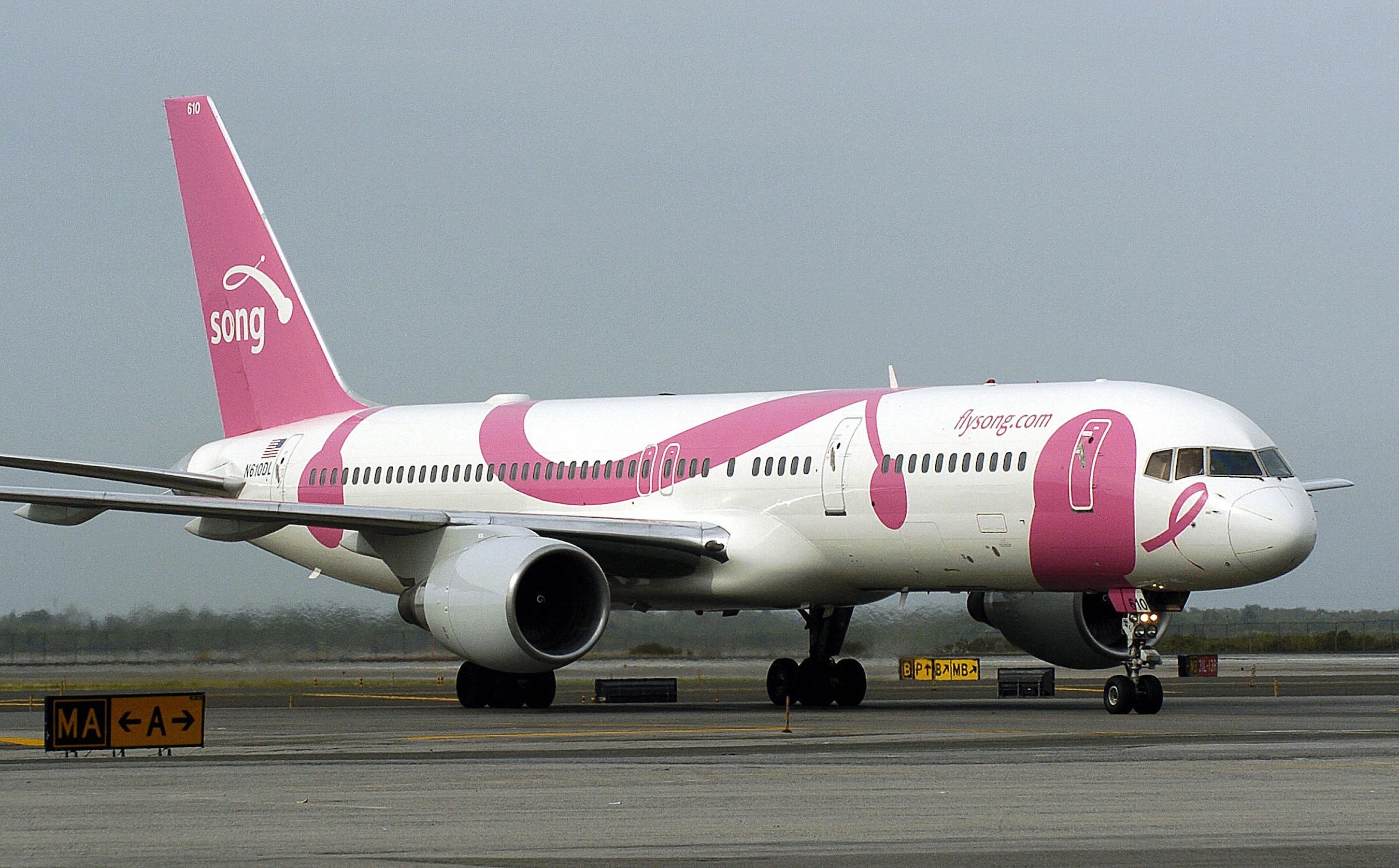
Song Airlines was supposed to be a low-cost, yet premium experience. Delta Airlines threw everything at creating this sub-brand. Kate Spade designed the uniforms. There were fresh, organic meals, a multi-million dollar line of accessories, and plenty of high-level thinking. The experiment lasted three years, felled by Delta’s Chapter 11 filing, but also hamstrung by clumsy messaging. Song Airlines never defined what it was, and you’d wouldn’t guess from the whimsical advertising, including TV ads that were more like music videos and scant branding. “Because now you can fly for a song, and song because it’s like everybody’s favorite song, which people love,” Jurisch said, unpacking what the company was trying to do. “And, it’s like, no, you don’t evoke everyone’s favorite song just by using the word song.”
He’s more generous with Ford, but still has a warning. “Fathom, I think, is better than that, but it’s just like saying, fathom, it means deep. Therefore, you know, there’s a lot more than meets the eye to this truck. The consumer doesn’t think, you know, I need a truck that has depth to it, that has a depth of meaning and story behind it,” Jurisch explained. “I’m gonna scan all the brands and say, like, Slate, that’s, that’s a surface. So it doesn’t have the depth I want, but Fathom is all about depth, so I’m gonna go with that. No, no human ever thinks like that. It’’s telling that they start off their announcement with the dictionary definition, because they think, like, okay, people aren’t going to know what it means. So we have to define it for them.”
The Fathom already notched its first success
It took Ford 9 months and many rounds of focus groups to finally land on the name Fathom. “For the company to come out of the classically slow and mediocre practice of focus-grouping a name relatively unscathed, with something as good as Fathom is a testament to its potential,” Jurisch noted. “Usually, going through all these steps is certain death. Like, you’re gonna kill every good name doing that, and you’re only gonna get the worst, [most] common denominator name to come out of that, that nobody loves, but everyone’s okay with,” he said. “So I give them credit for actually getting a good name out of that process.”
Trademark is another hurdle for a car name to clear, and Fathom has managed that in a competitive segment. Sounds like a small victory, but that’s a huge deal. Think of all the merch, materials, domain names, sales enablement stuff that would get totally nuked by a trademark claim.
How do cars get named?
What’s a naming process like out in the wild? Here’s how Zinzin approached naming 11 models for Mack Trucks.
“Our typical naming process to name one thing is 4 weeks long,” said Jurisch. To do 11 models took a bit longer; “It was probably about 8 weeks, probably about 2 months. And every time, every project we do always begins with the brand positioning, which is essentially, ‘what is the big picture story you want this brand to tell, and what is the unique tone and personality to best do that with?’” The result so far has been the Pioneer and Keystone models, with more on the way. But it took a while to zero in on the theme.
“We thoroughly explored several concepts,” said Jurisch. “Americana was one of them. But another one that also fed into it were names related to geography.” That was partially inspired by the environment the trucks often work in, but also the existing Mack Granite model. “Two of the names from their past they were keeping were Anthem, [that] ties into the
Americana, [and] Granite, which is a very good name.”
The Zinzin team kept digging. “We developed a lot of things specifically around those,
in those 2 realms, like Americana and like the rough-hewn outdoor thing. And the first two that have launched, Pioneer, fits both of those, and Keystone, which is right in there with, like, the Granite, load supporting and used in construction and these vehicles are used in construction.”
It may seem easy, or even actually be easy once the process gets rolling, but there’s a lot of initial head scratching. “Everything depends on that brand positioning,” Jurisch said. “You can create a name that is the best imaginable that still doesn’t work because it’s not mapping to that particular brand positioning for that product or company.”
What about Ranchero?
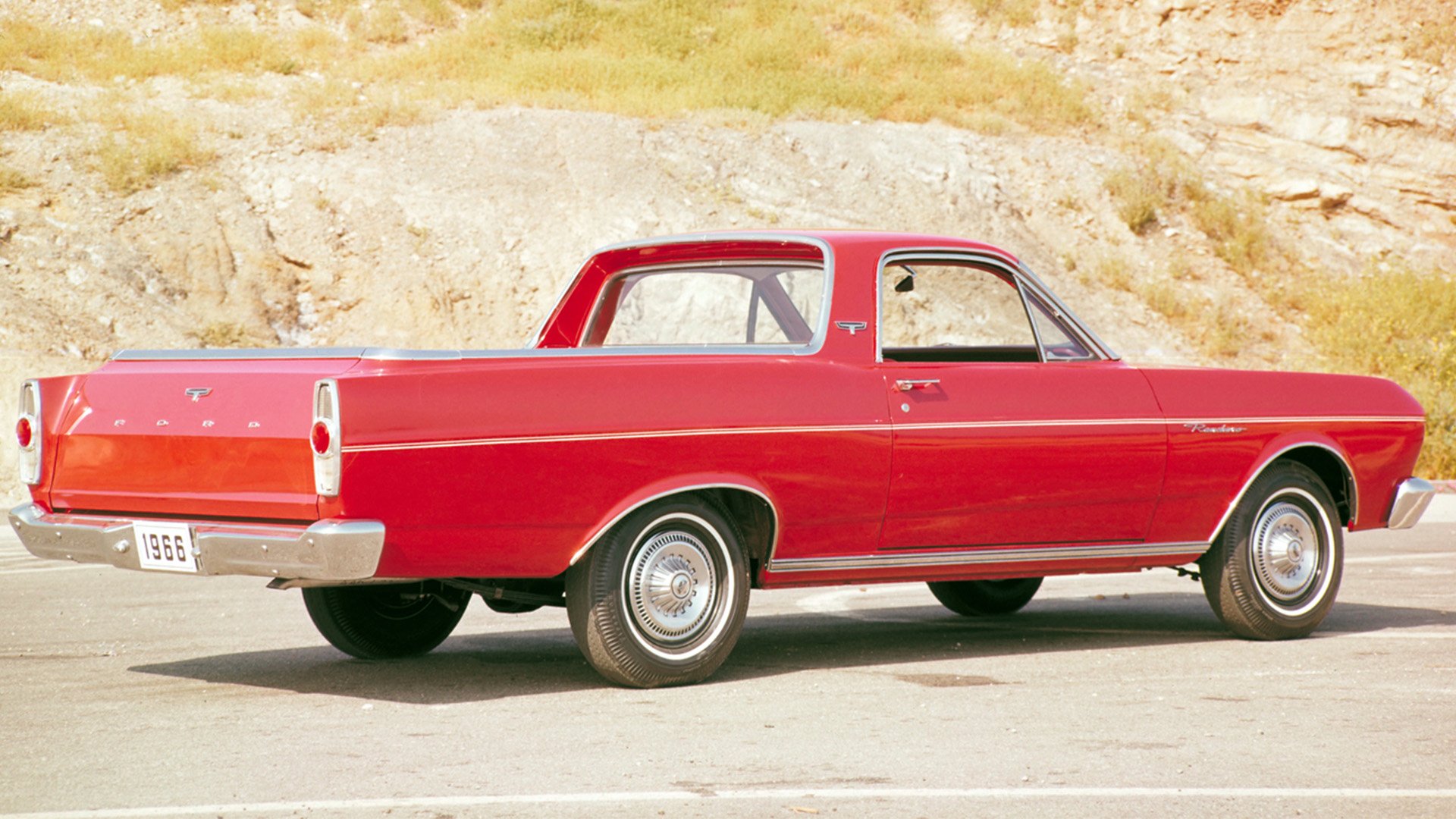
Both Jurisch and Colt pointed out the baggage an old name brings with it. The Ranchero may live on in the collective unconscious, but it hasn’t been sold for nearly 50 years. “It’s nothing more special than any other name to the person who’s actually gonna buy this truck,” said Jurisch. “It has an old-fashioned legacy name connotation that’s much more Taco Bell than Rivian,” he said. “That would be just throwing in the towel to recycle old names. If you’re going to create something new, you better have a new kind of name that reflects those categories.”
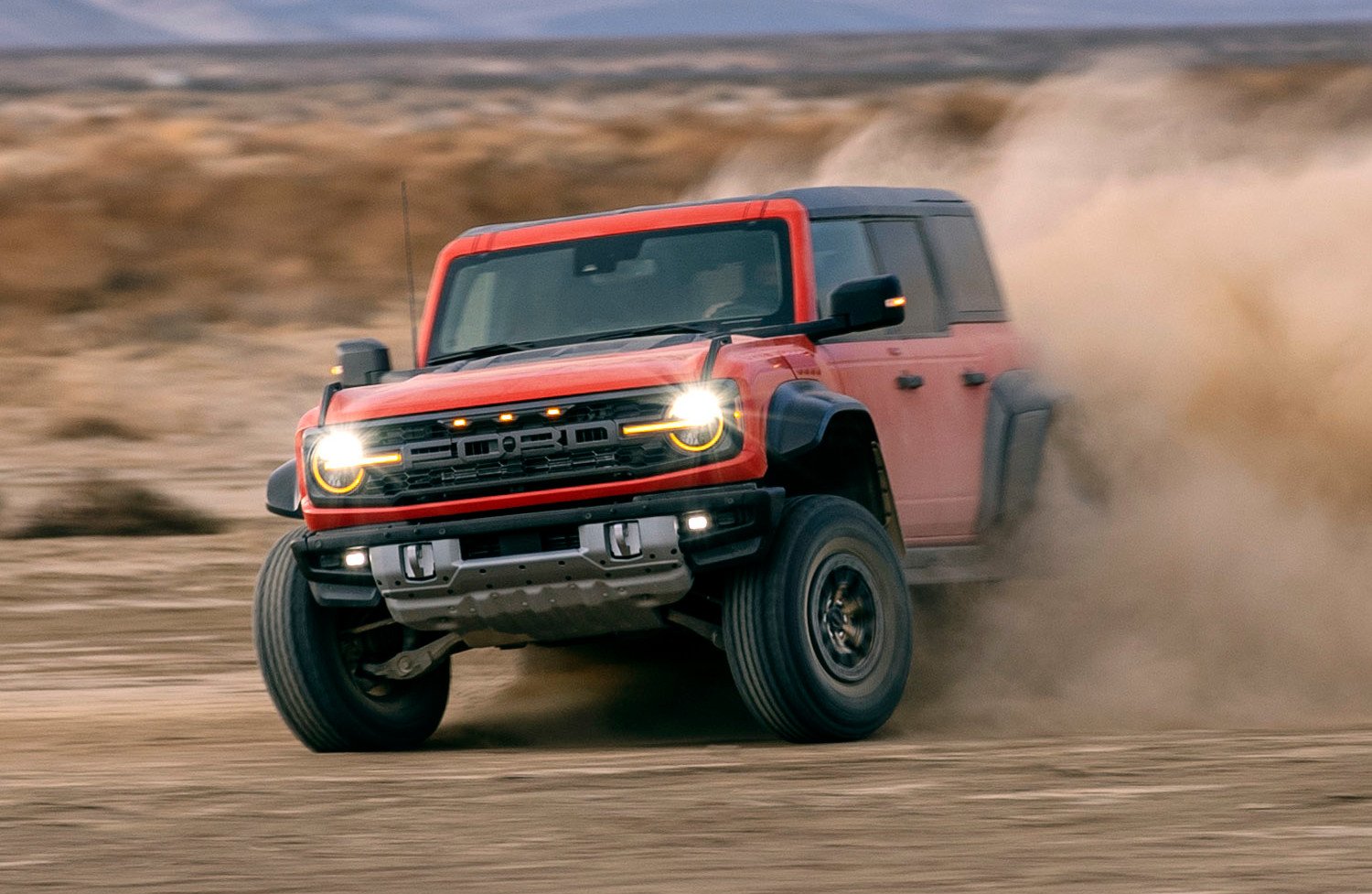
Icons aren’t born
Every nameplate is whatever Ford says it is, and the Fathom name will be what the company makes of it. Colt sums it up: “ultimately, names don’t become iconic because they’re perfect. They become iconic because companies consistently invest behind them. Mustang, Bronco, and even Maverick weren’t legendary the day they were announced. They became legendary because Ford made them matter.”
Got a story? Send us a line at tips@thedrive.com
Loading comments…
Comments couldn’t be loaded. Please refresh the page.