
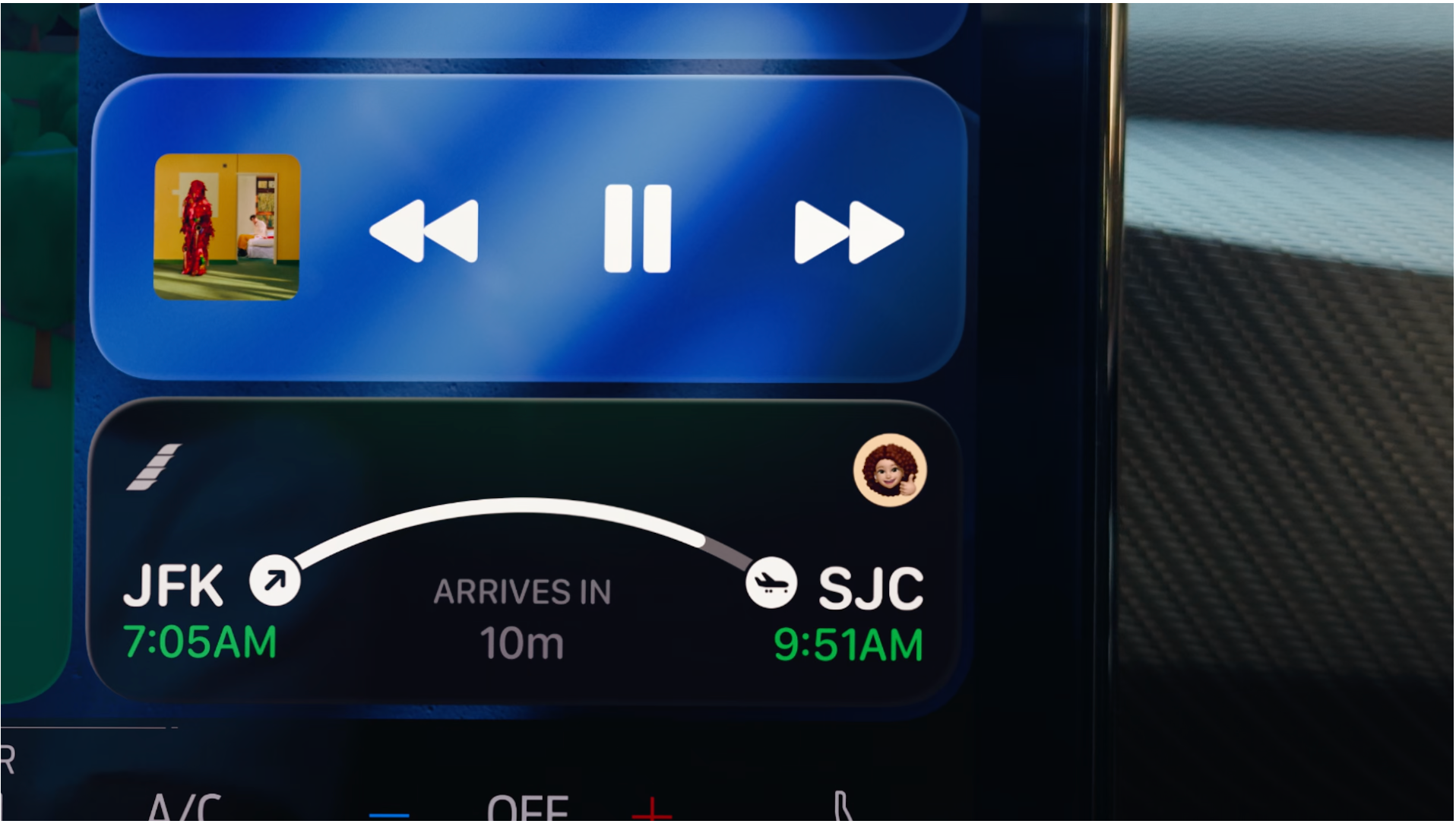
Smartphone use is a well-known road-safety issue, but it’s usually assumed that texting and taking calls while driving are the biggest contributors. That’s why most states have banned holding phones while driving, and why Apple CarPlay and Android Auto are essential features in new cars. But a new study published in the journal JAMA Network Open claims there’s another potential source of phone-based distraction: streaming music.
Specifically, the study looked at rates of traffic fatalities on the days of major album releases. The authors charted an increase in the adjusted number of fatalities on the days when hot albums dropped, which, unsurprisingly, tend to be the days when people stream music from their phones more than usual. Fatalities increased by 15.1% compared to the 10 days before and after the album drops, while streaming increased by approximately 43% on those release dates.
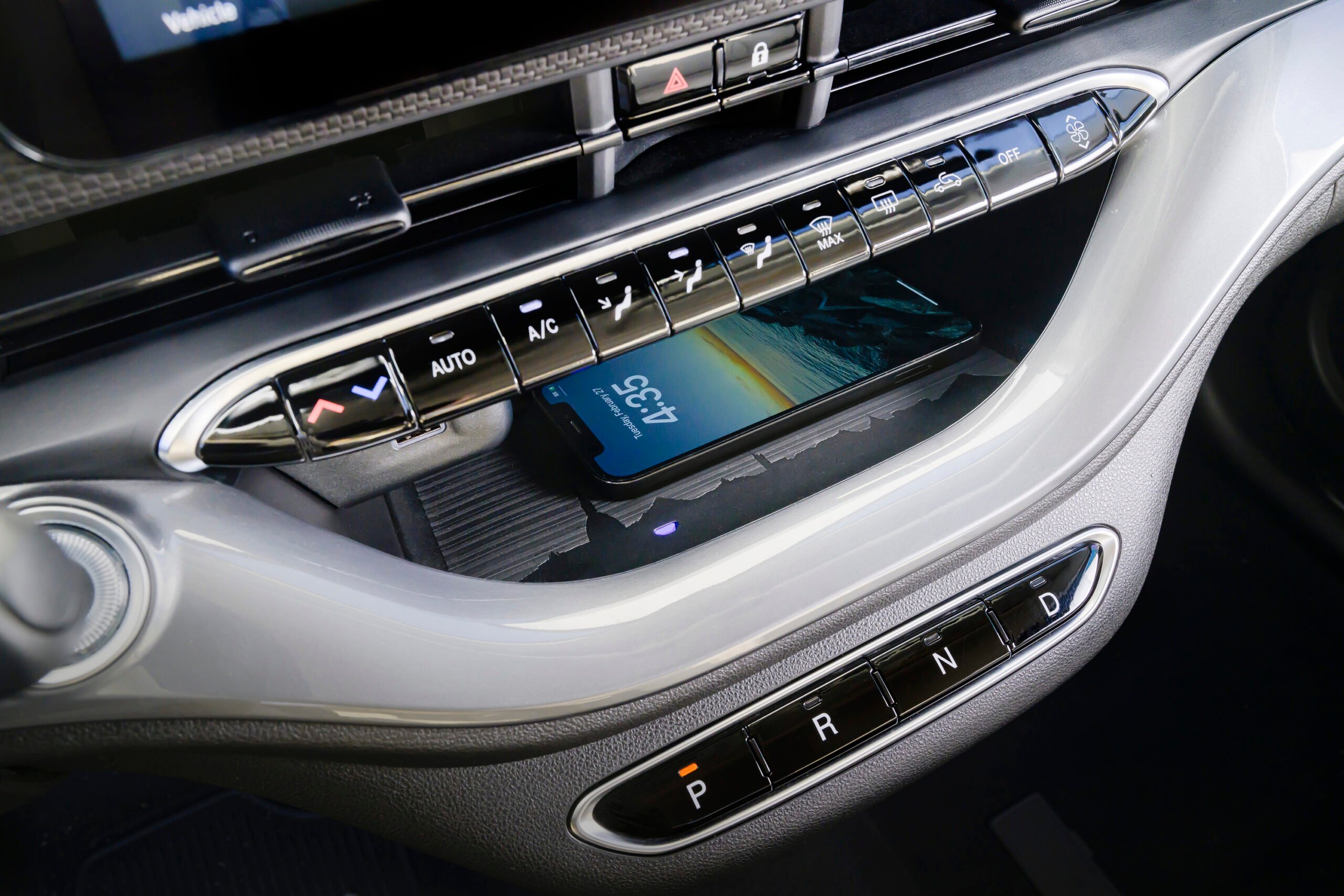
The authors studied traffic fatalities and music streaming between 2017 and 2022, when 233,809 deaths were officially recorded in the United States. That’s based on the federal government’s Fatality Analysis Reporting System (FARS), while streaming-use data was based on publicly available charts from Spotify. The top album streamed on that service during the study period was Taylor Swift’s Midnights, released on October 21, 2022, which was played 184,695,609 times on that date. Never underestimate the fanaticism of Swifties.
Album release dates are pre-planned, but record companies aren’t looking at traffic forecasts, the authors note, so there’s no inherent reason for release dates and increases in fatal crashes to align. The authors also controlled for differences like holidays and days of the week (albums tend to get released on Fridays) and did some demographic analysis as well. They found bigger increases in fatal crashes involving younger drivers, who also tend to use music streaming services more frequently than older drivers still clutching their CD players and aux jacks. That raises an important point.
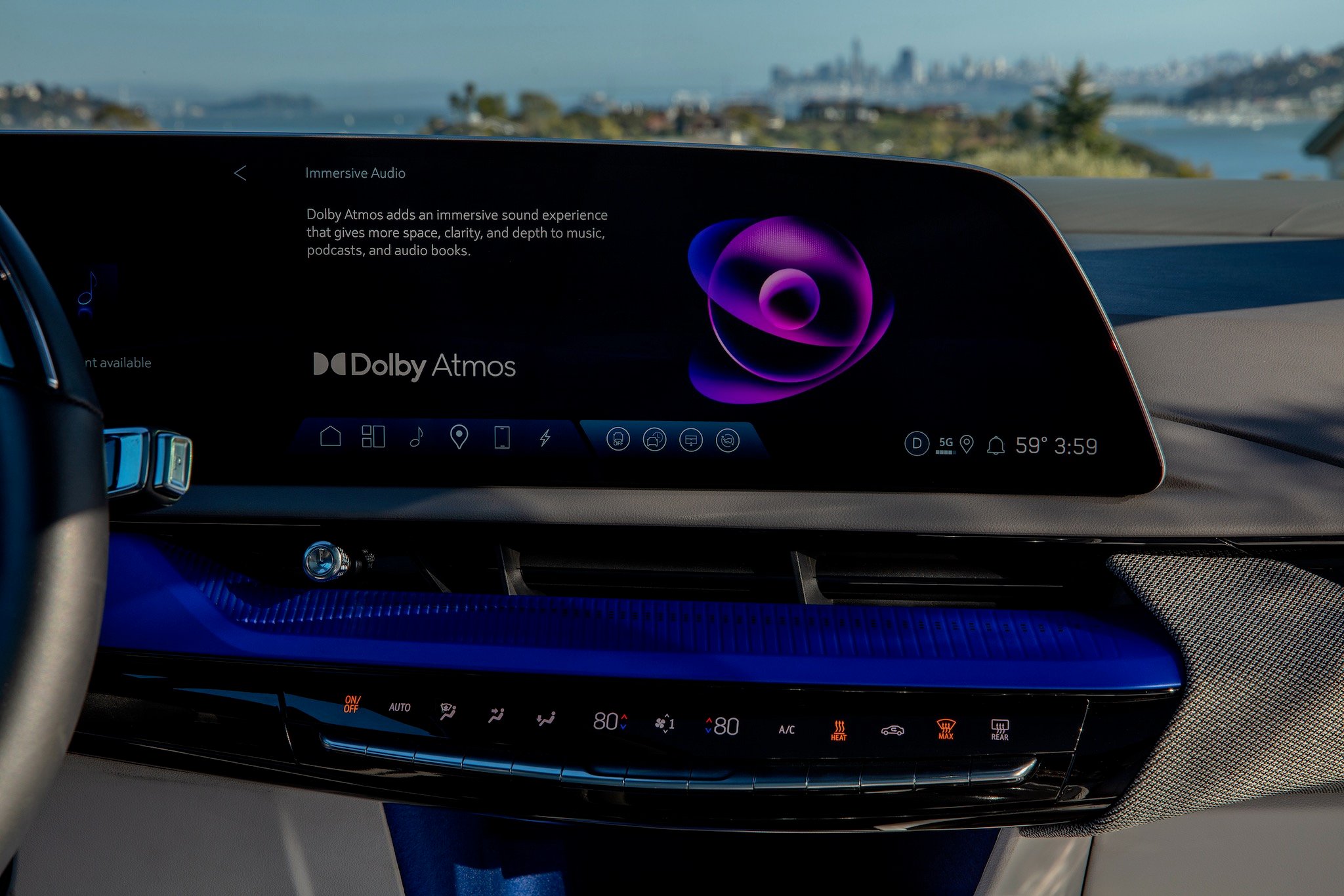
Music has been part of the driving experience since long before smartphones. I’ll admit to getting a slightly heavier foot when listening to Passion Pit’s Manners, but that album was released before Spotify was a thing. The authors argue that music-streaming services create new opportunities for distraction that, in turn, increase the likelihood of a crash. That could be the case whether drivers are using their phones directly or via a car’s infotainment system.
Infotainment systems allow drivers to access phone-based features hands-free, which is supposed to be a safety benefit. But the authors argue that it also lowers the barrier to doing things other than driving. It’s another reminder that, when you’re behind the wheel, driving is all that you should be focusing on.
Loading comments…
Comments couldn’t be loaded. Please refresh the page.