
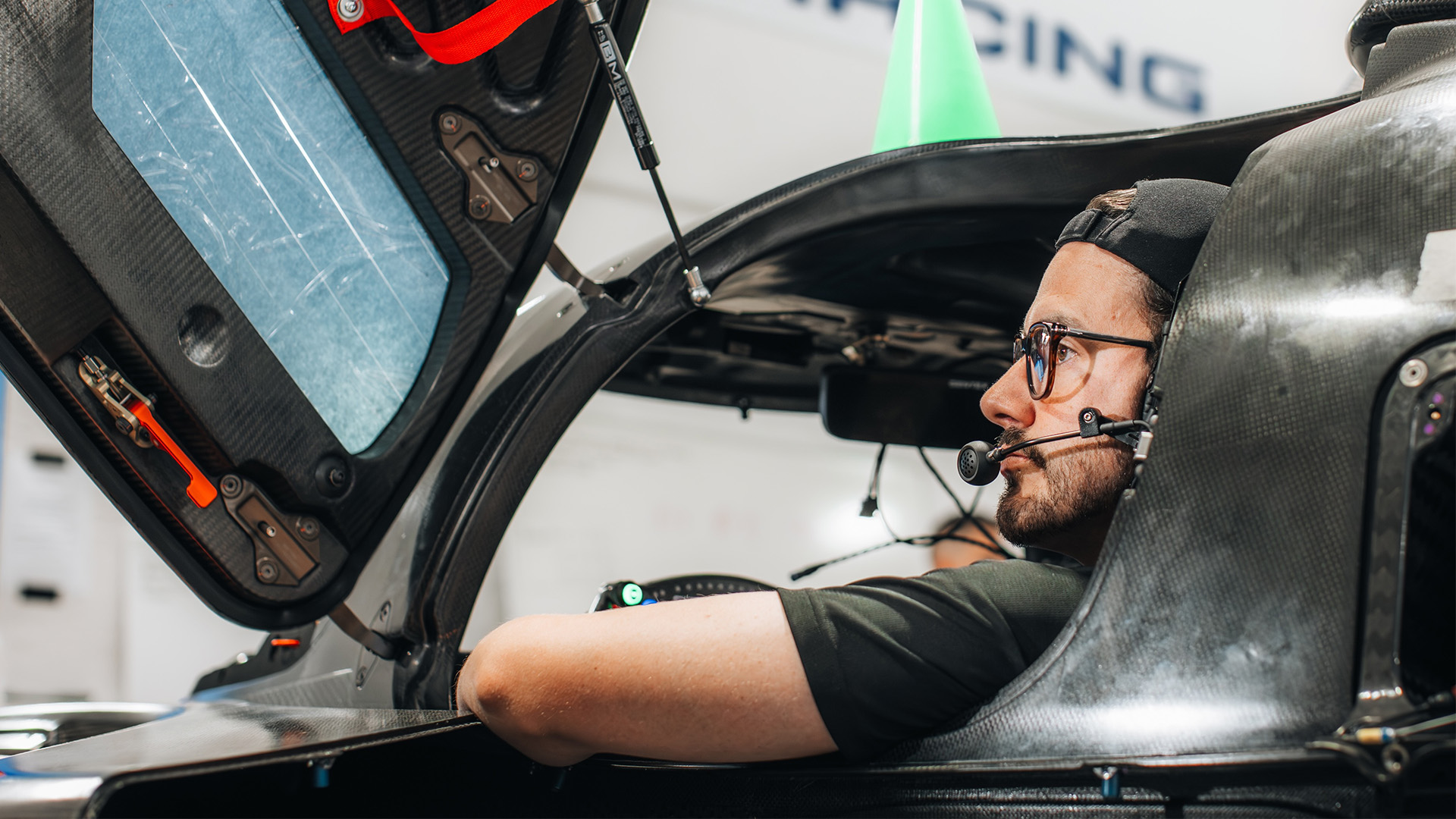
Ford is about to do something sick in the World Endurance Championship: Race a naturally aspirated, 5.4-liter, Coyote-based V8 in the top-level Hypercar class. Whereas the Blue Oval manufacturer has most recently raced (and won) at Le Mans with a twin-turbo, 3.5-liter EcoBoost V6, it’s taking a more traditional route for 2027. And if that’s not enough to get you excited, maybe hearing the engine’s first fire will do the trick.
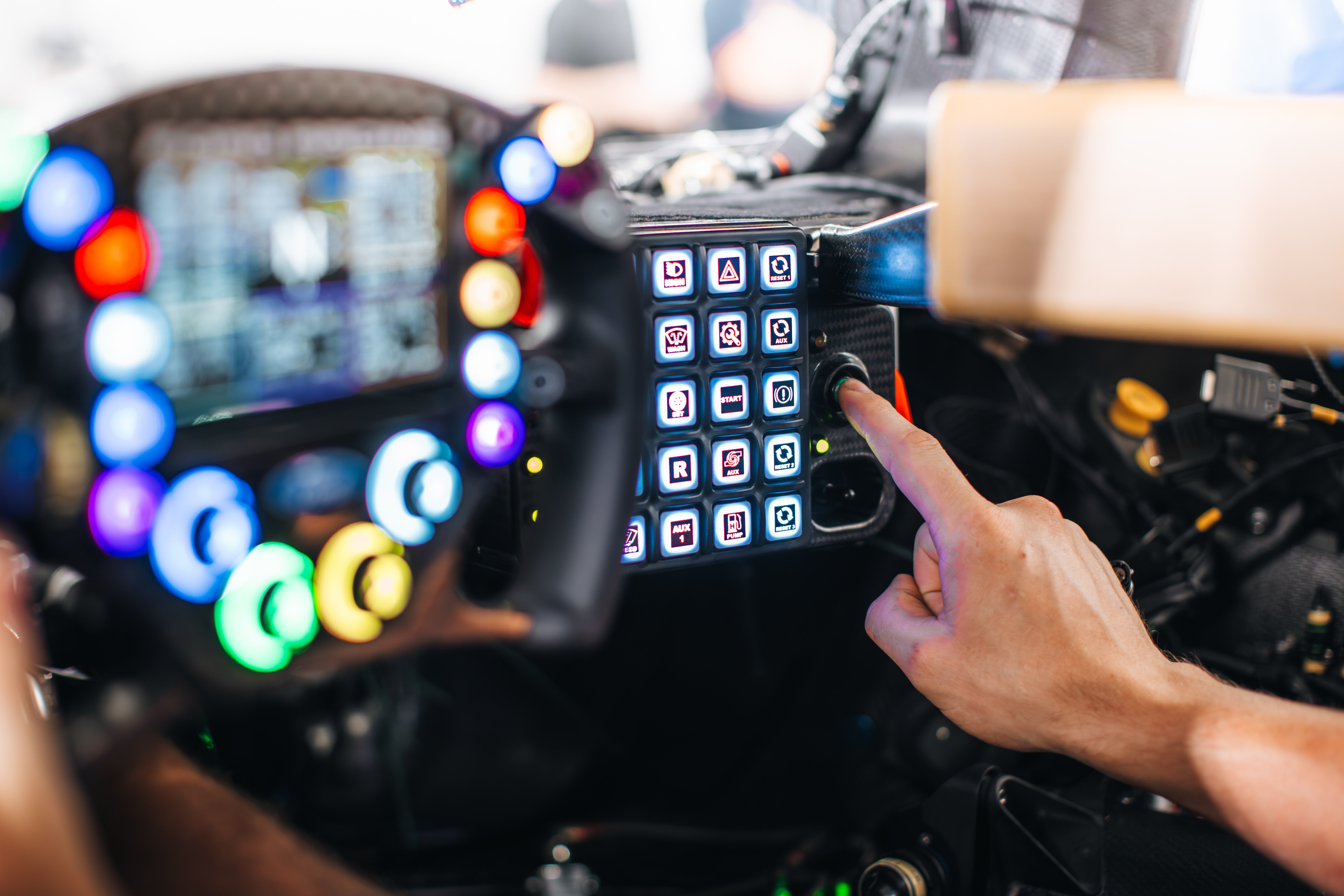
Seen here without any bodywork, Ford’s WEC hypercar is built around an Oreca chassis. The V8 is paired with a hybrid system that’s standardized across the class, and importantly, it was in place during the monumental first start. It’s a major milestone for the team, as Ford Racing WEC Hypercar Program Manager Dan Sayers explained, while adding that the engine was “designed, developed, and built in-house at our base in Michigan.”
“The firing of the engine at ORECA is more than a symbolic moment—it’s a critical validation step,” Sayers said in a press release. “We are doing everything from an engine perspective in-house, and we’re doing that because we can react faster, we can learn faster, and we can bring that back to the production side of the business. Hearing the Coyote V8 come alive within its intended home for the first time confirmed that months of integration work between the powertrain and chassis teams had paid off.”
I won’t delay your joy any longer. Here’s the clip:

Built by the team. Headed for the track. Go Like Hell.
Sounds nice and raspy, doesn’t it? A stationary sound byte isn’t enough to make a full judgment, but this dual overhead cam thumper could give the Cadillac hypercar a run for its money. Just listening to that thing transition from electric to engine power is enough to make a fan out of most folks.

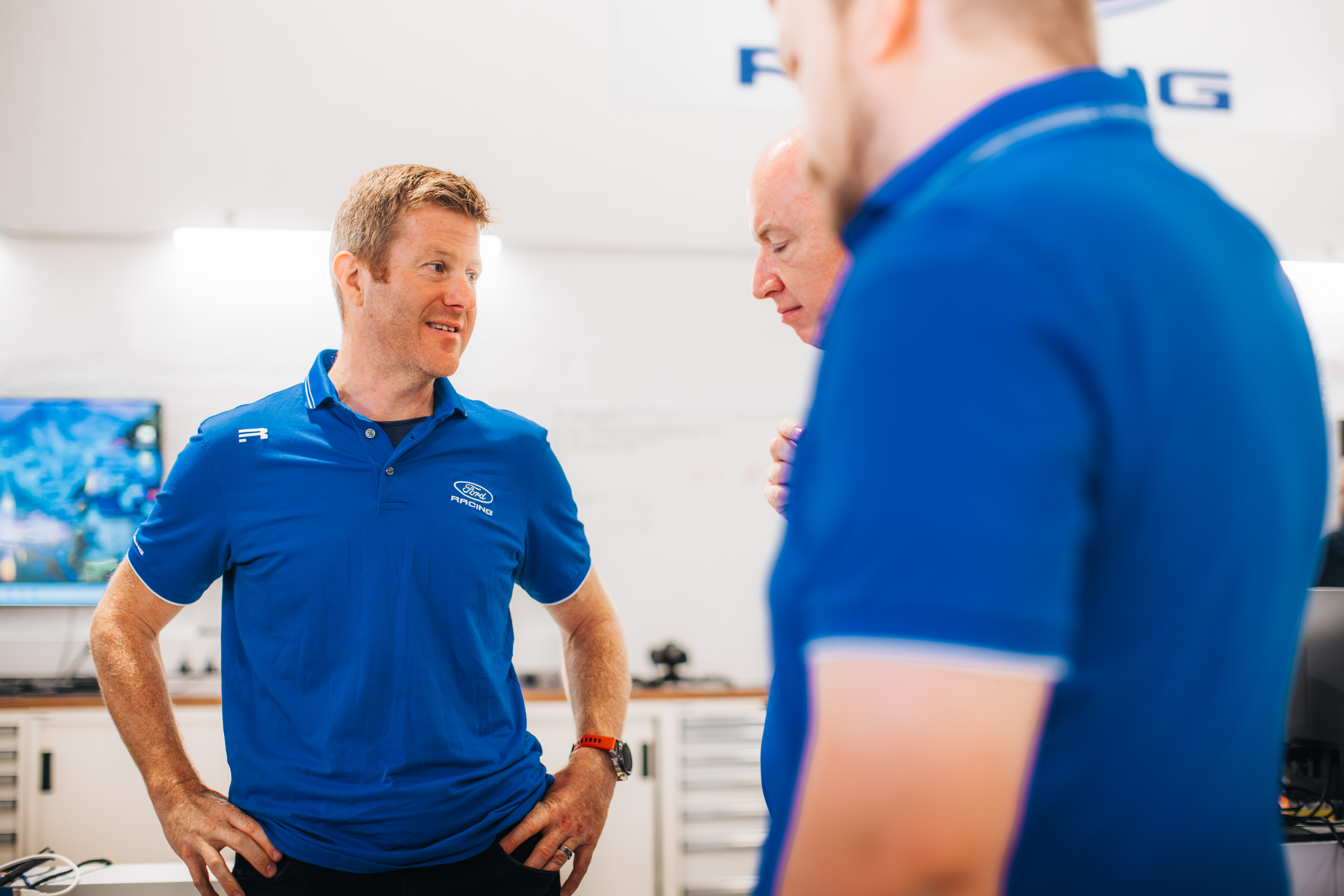
The Drive‘s Deputy Editor Jerry Perez actually spoke with Sayers a while back, and he asked why Ford opted for a new, scratch-built V8 this time instead of another boosted V6. Sayers’ response was candid:
“We looked at turbocharged or normally aspirated—and again, with the normally aspirated, if you can achieve the performance parameters, the mass or the power, and the torque control, then the simplicity of not having turbos, not having intercoolers, makes the installation simpler. There are fewer things to go wrong with endurance racing, and we like to just keep things simple. Simple is good for endurance racing.”
Clearly, it’s good for the fans, too.
Got a tip or question for the author? Contact them directly: caleb@thedrive.com