
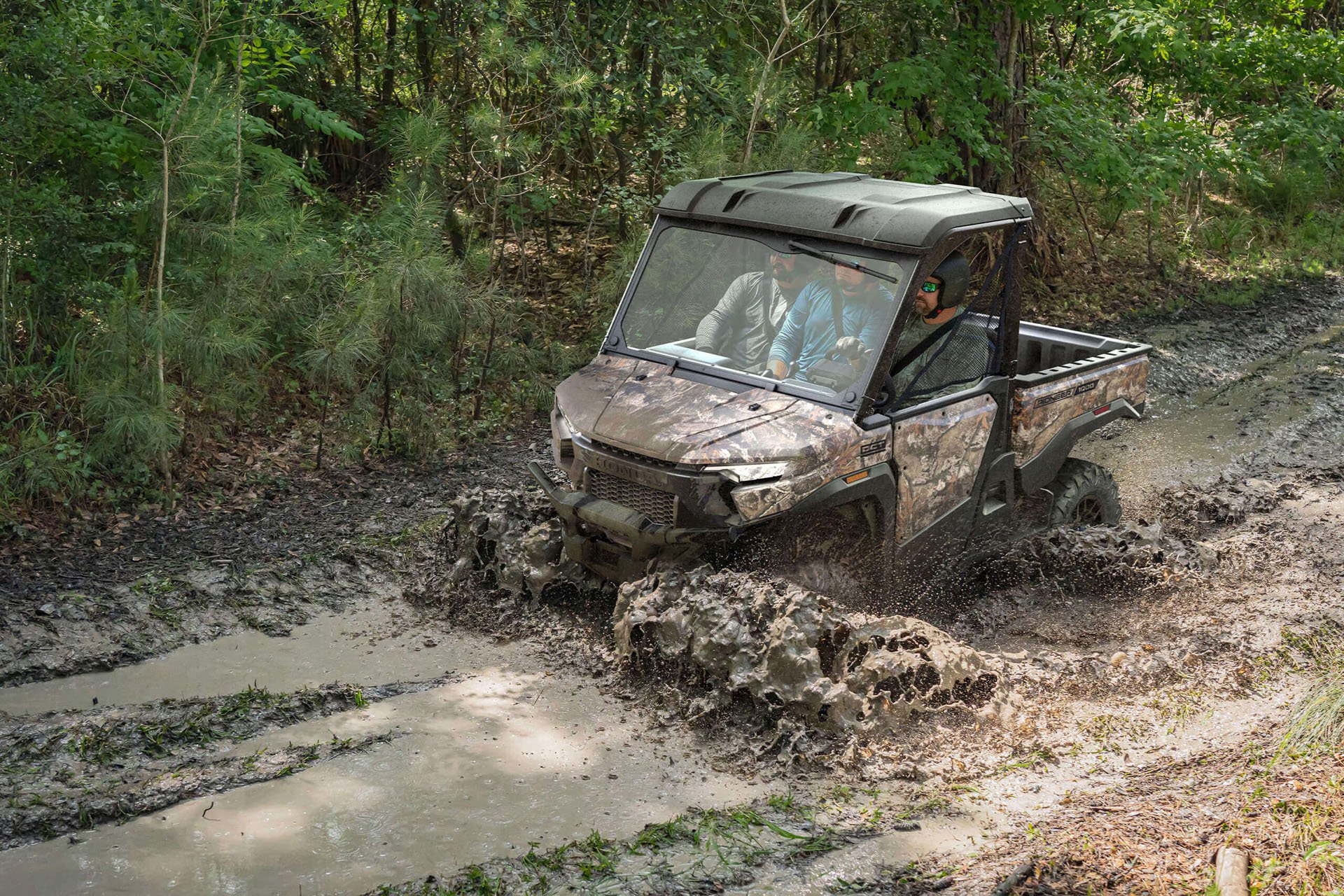
Dual-clutch transmissions have always been pitched to car enthusiasts as lightning-fast. If you want engagement, get a manual; if you want speed, get a DCT. Automakers like Porsche and Nissan pioneered the hardware in the 911 and GT-R, respectively, before more pedestrian performance cars like the Hyundai’s N models adopted it later. But we’re at a point now where even a utility side-by-side like the 2026 Honda Pioneer that I’m testing has a DCT.
You’re probably wondering: “Why?” Well, that’s what I’m here to talk about.
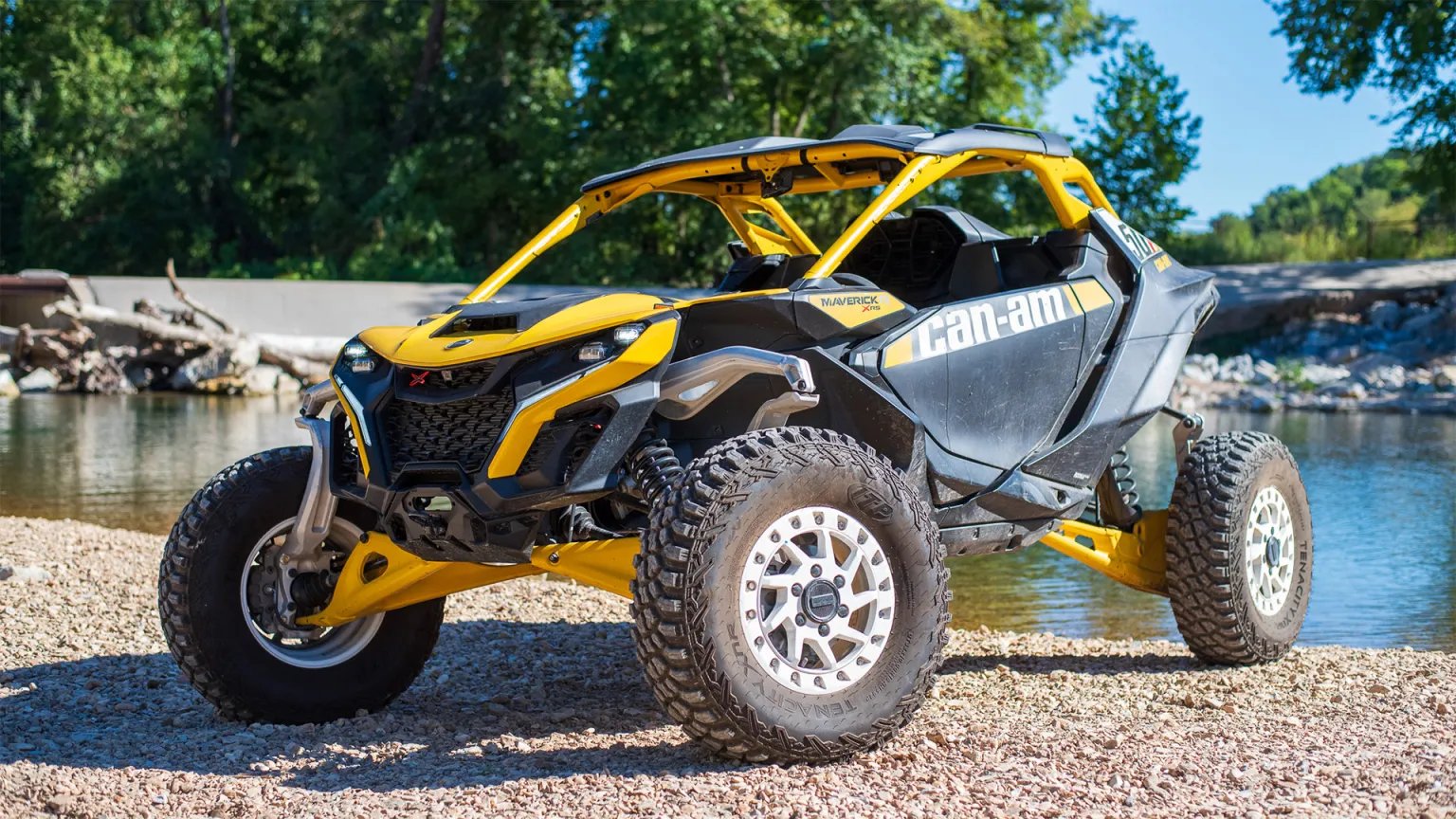
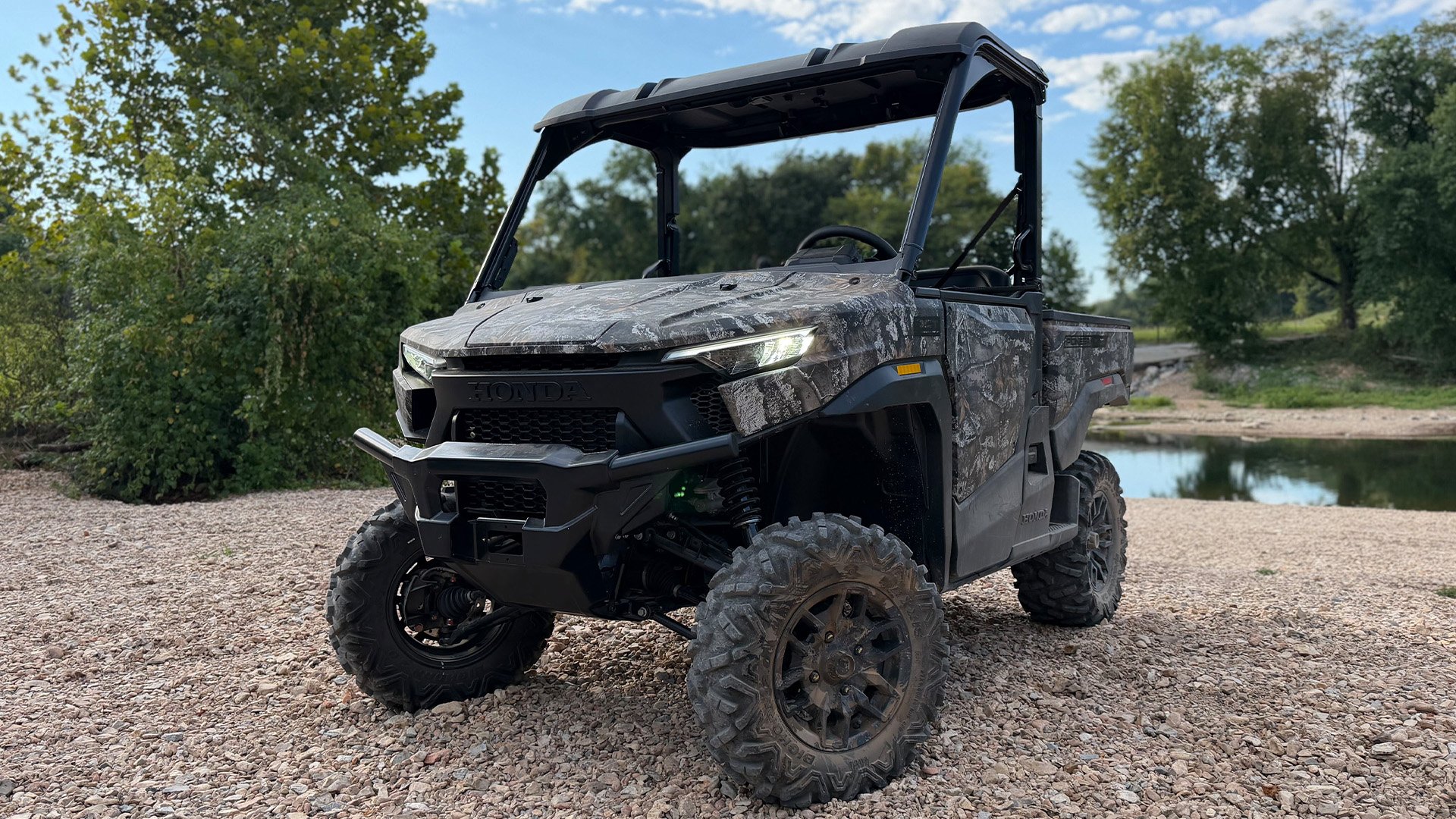
To be clear, not many UTVs have DCTs: The Can-Am Maverick R, the Honda Pioneer, and the Honda Talon. That last one is the only rig of the three I haven’t tested so far. These machines—the maniacal Maverick R, with its praying mantis-like front suspension, and the hard-working Pioneer—have little else in common. Still, the shifting experience is mighty similar.
I’ve already written at length about the Maverick R, but it’s worth remarking on the transmission specifically. It actually makes a ton of sense in a rig like this, with its turbocharged engine making 240 horsepower. The DCT makes it feel more like a rally car than, say, the Polaris RZR Pro R does with its more traditional continuously variable transmission.
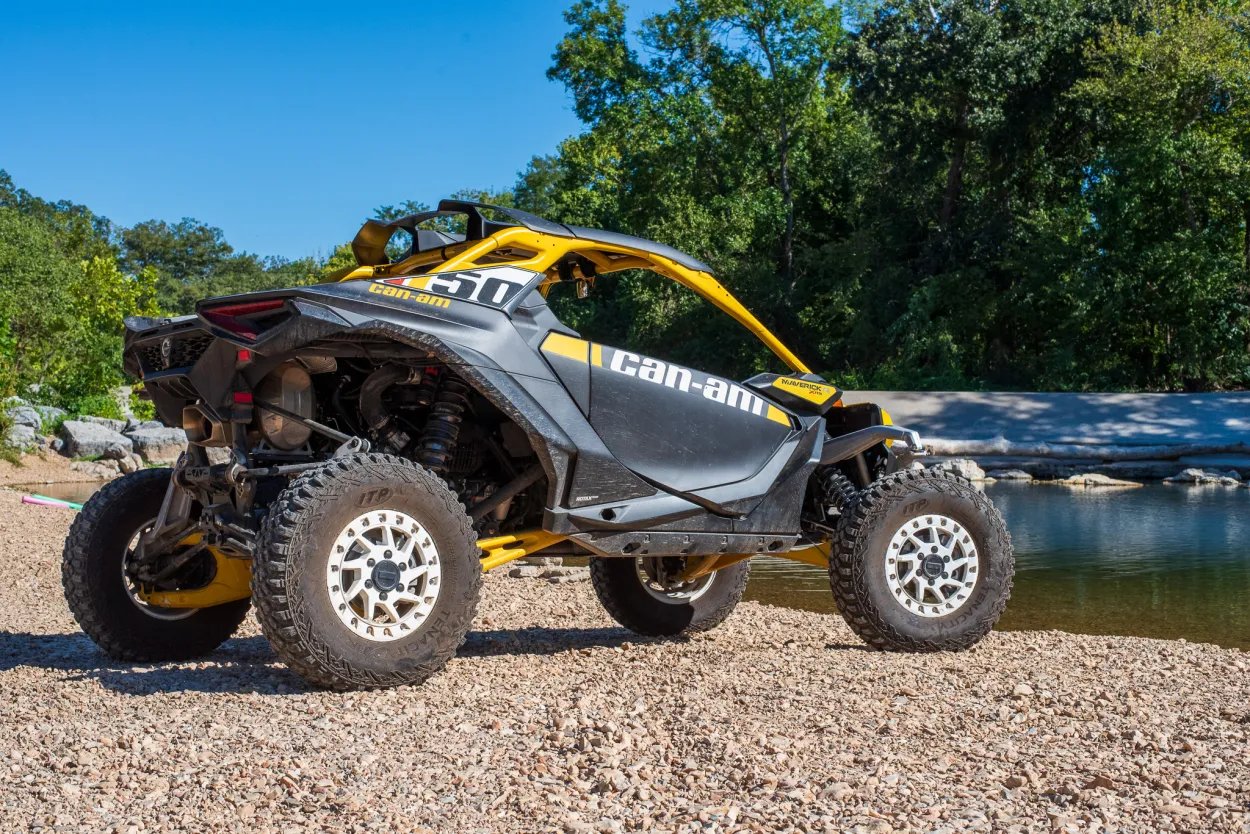
A shiftable transmission is your friend when you need to deploy more revs in a moment’s notice. Sure, the CVTs in modern performance side-by-sides are a lot better than they used to be, but you can’t replace the ability to find third gear with a quick shifter-paddle pull. Imagine a scenario where you’re rushing downhill and encounter a tight series of esses with trees on either side. When you can downshift purposefully, engine braking will help slow you down while the revs remain high for a ready throttle response.
Plus, it just feels sick.
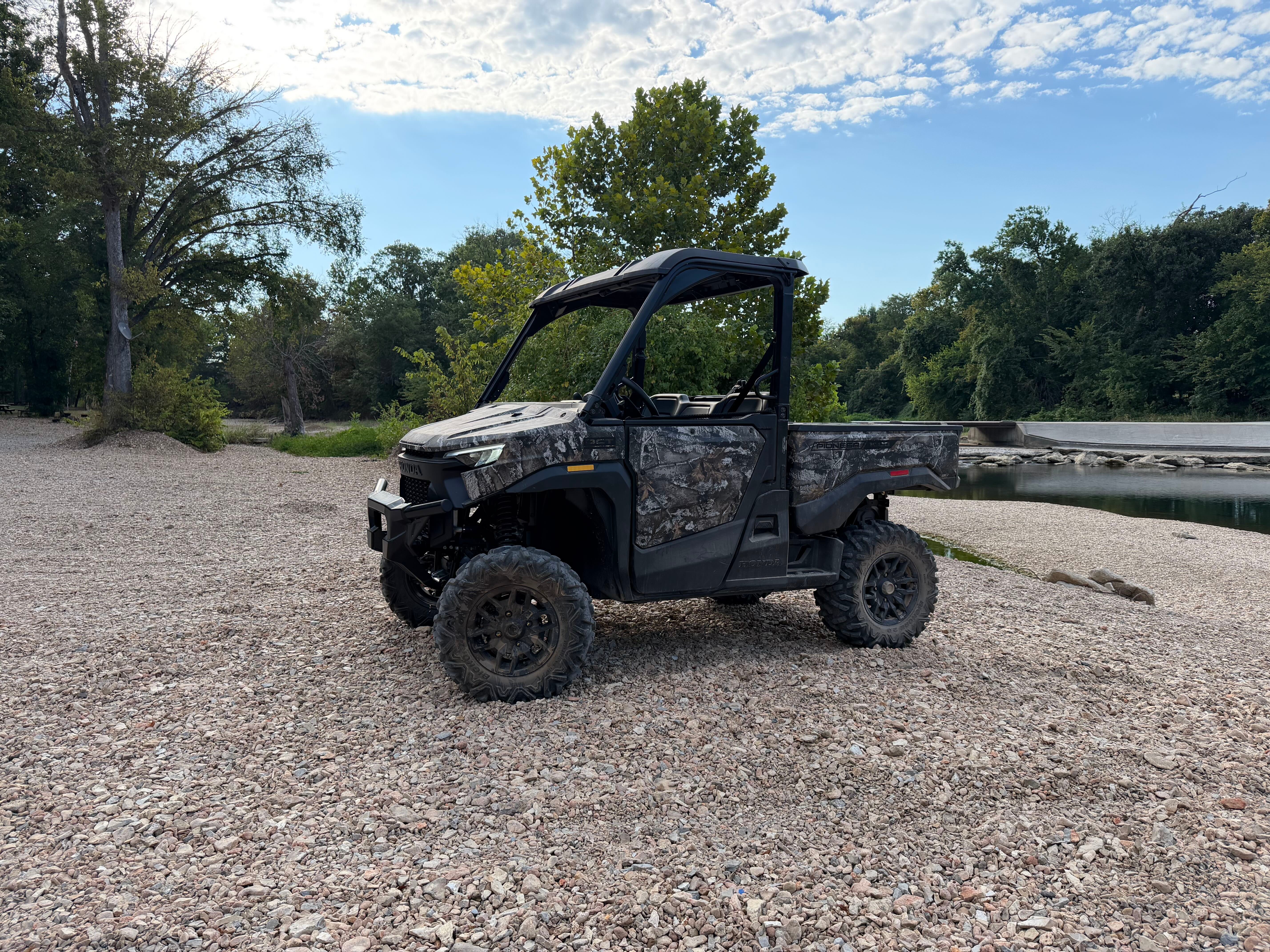
The Pioneer’s dual-clutch, on the other hand, is unique. Not much else about the UTV is sporty; however, the six-speed certainly exhibits the thunks and thuds characteristic of a DCT. That’s because there’s always a clutch waiting to engage after the other disengages. One clutch handles the odd gears, while another handles the even gears.
The new Pioneer has four drive modes: Comfort, Normal, Sport, and Tow/Haul. Each one tweaks the machine’s power delivery and shift points. Now, you might not feel the differences as much in a side-by-side with a more typical CVT, but they’re absolutely noticeable in the Pioneer. Rather than a deafening whine from the engine running wide-open as it gains acceleration, the Honda’s parallel-twin climbs through the rev range with each shift. In that sense, it’s far more truck-like.
Speaking of trucks, the Pioneer works more like they do than your average side-by-side. It doesn’t seem like it’s straining under load, and in my experience, it’s been easier to control in low-speed environments. That’s partially because you can use the transmission and, in turn, the engine to help slow you down. It’s the same tactic I talked about with the Maverick R in the esses, except applied to towing a utility trailer or hauling a load of firewood in the back.
And then there’s the feel. It’s hard to describe the Pioneer’s transmission without using some onomatopoeia. Accelerating after a steep uphill brings on a casual sa-konk, while a spirited stab at the throttle builds more of a theatrical response from the DCT. Heavy gas pedal application smooths out the shifts, but not to the point where they’re unnoticeable. It’s genuinely a strange experience when you’re used to a CVT.
A Tale of Two UTVs: Spec Comparison
| Can-Am Maverick R | Honda Pioneer | |
| Base Price | $44,299 | $22,294 |
| Powertrain | 999cc turbo three-cylinder | 7-speed dual-clutch automatic | four-wheel drive | 999cc two-cylinder | 6-speed dual-clutch automatic | selectable four-wheel drive |
| Horsepower | 240 | 72 |
| Curb Weight | 2,250 | 1,781 |
| Top Speed | 80 mph est. | 63 mph |
My concern with DCTs in UTVs is not surprising: What happens if they break? I won’t pretend that CVTs are bulletproof, but they’re a lot more common, and many dedicated riders are skilled enough to repair them on the trail. I’m not sure what the DCT equivalent of a slipped belt is, but I doubt you could easily do it on the side of a giant hill. And just to be clear, these Honda DCTs don’t have a horrible reputation for reliability, as far as I’ve seen. It’s just like all the technological advancements in today’s diesel trucks: great when they work, a major headache when they don’t.
To answer the question of whether or not UTVs need fancy dual-clutch transmissions, I’d have to say “no.” But they have their benefits if you’re willing to maintain them properly. Just make sure that you’ve done your research before you drive one, because the sensation of grabbing another gear like you’re some type of race car driver might be too intoxicating to turn down—no matter how well it fits your use case.
Got a tip or question for the author? Contact them directly: caleb@thedrive.com
Loading comments…
Comments couldn’t be loaded. Please refresh the page.