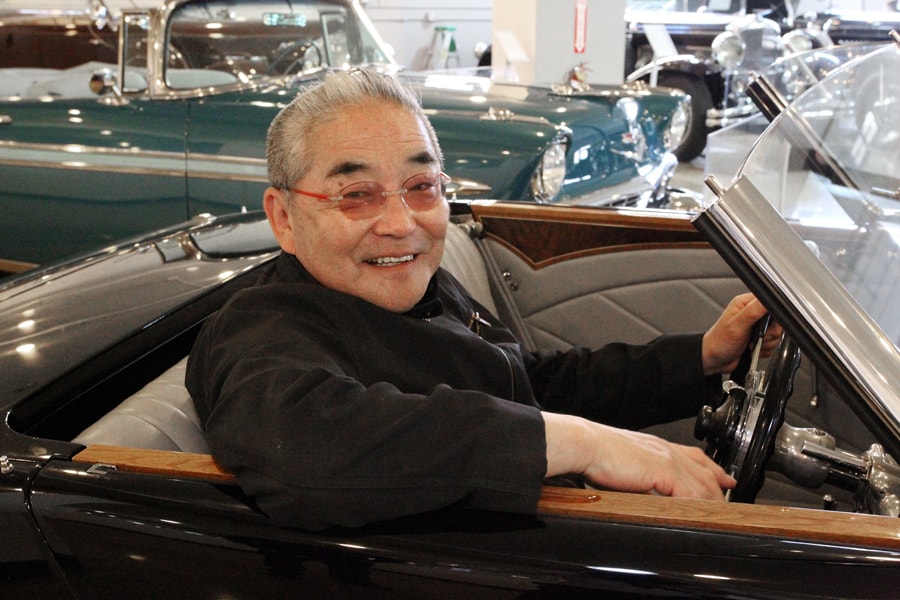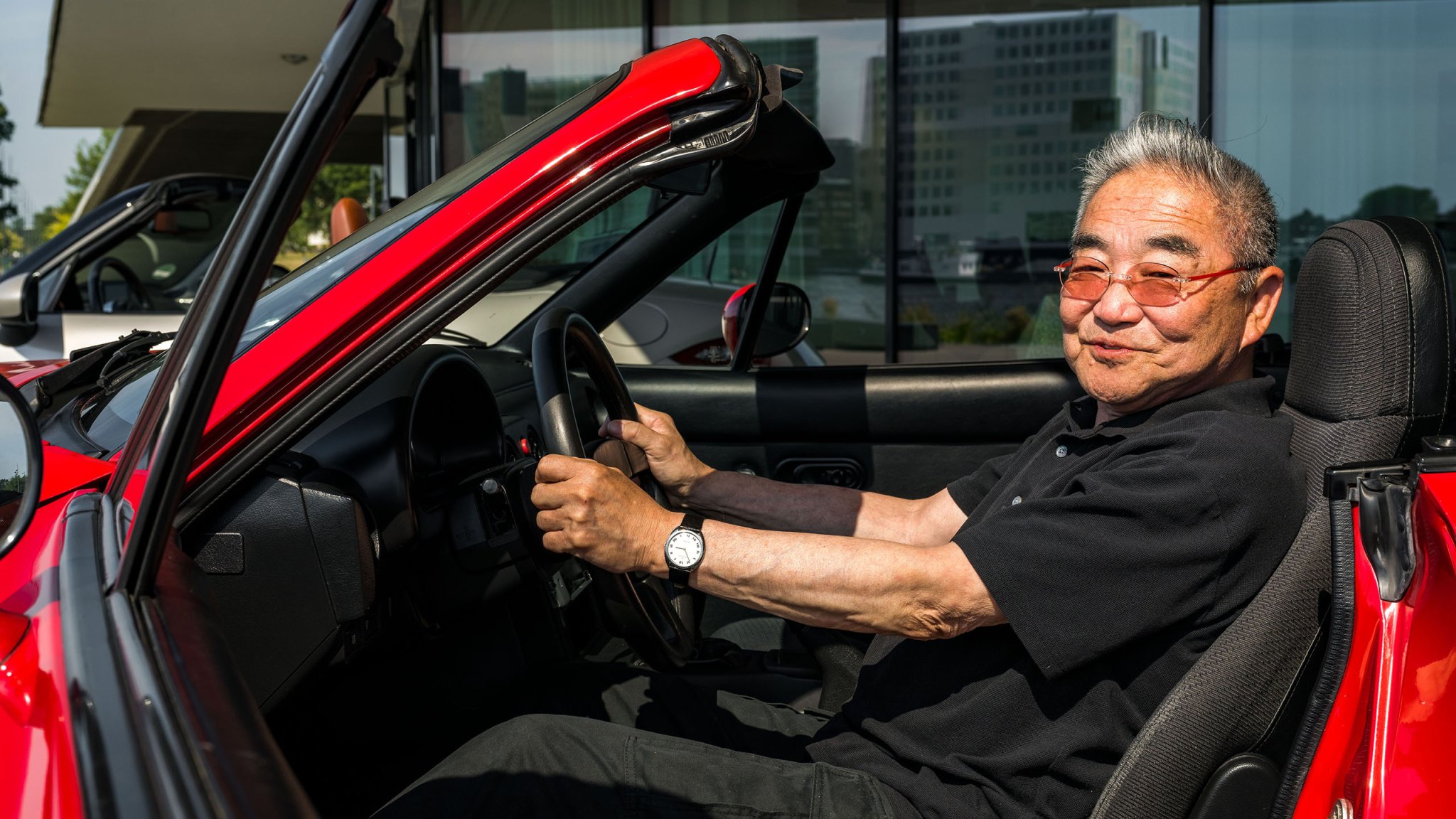
Tsutomu “Tom” Matano, the designer behind such legendary Mazda sports cars as the Miata and FD RX-7, passed away on September 20. He was 76 years old.
Matano is known to many enthusiasts as “the Father of the Miata,” having been instrumental in its creation alongside Bob Hall. But Matano’s career spanned multiple automakers. After graduating from Tokyo’s Seikei University in 1969 with an engineering degree, he moved to California to study design at the Art Center School of Design in Pasadena before taking a job with General Motors in 1974. A short while later, Matano was on the move again, to work for Holden in Australia where he created liveries for the brand’s touring cars, among other duties, before taking a job with BMW in Munich and contributing to the development of the E36 3 Series.
But, of course, it was Matano’s tenure at Mazda where he truly made a name for himself and inspired generations of enthusiasts and people in the trade. In 1983, he started as Mazda North America’s Chief Designer, and over the next 20 years, he would ascend in the company until eventually managing Mazda’s global design group. In that time, he brought cars such as the original NA and second-generation NB Miata, as well as the third-generation FD RX-7, to life. By the conclusion of his tenure at Mazda in 2002, he had also become the Executive Director of the Academy of Art University’s School of Industrial Design in San Francisco.
However, a big part of what makes Matano’s loss so profound for the automotive community is how active he was in it, right up until the end of his life. Matano was a regular fixture at public events, especially among Miata fans. Besides an outpouring of love and condolences, social media and enthusiast forums have been filled with stories and pictures over the last two days; warm memories of Matano engaging with the people inspired by his life’s work.
Rest in peace, Tom—you will indeed be missed, but your legacy will doubtlessly live on. I’ll leave us with a quote from an interview he did with Auto & Design in 2023 about his philosophy that speaks to me, particularly as someone who grew up wanting to design cars as he did:
“We must start over from the human. From the users’ real needs, above all, from offering them solutions in a ‘warm’ and in some ways ’empathetic’ way. I remember that, when I drew the lines of one of the Mazdas I worked on, the RX-7 FD, I was expressly thinking of an athletic but not muscular body, as if it needed to be washed gently. I achieved a result that inspired affection: the owners locked it in the garage with a smile on their faces. Here’s my point, design should never lose this intent.”