
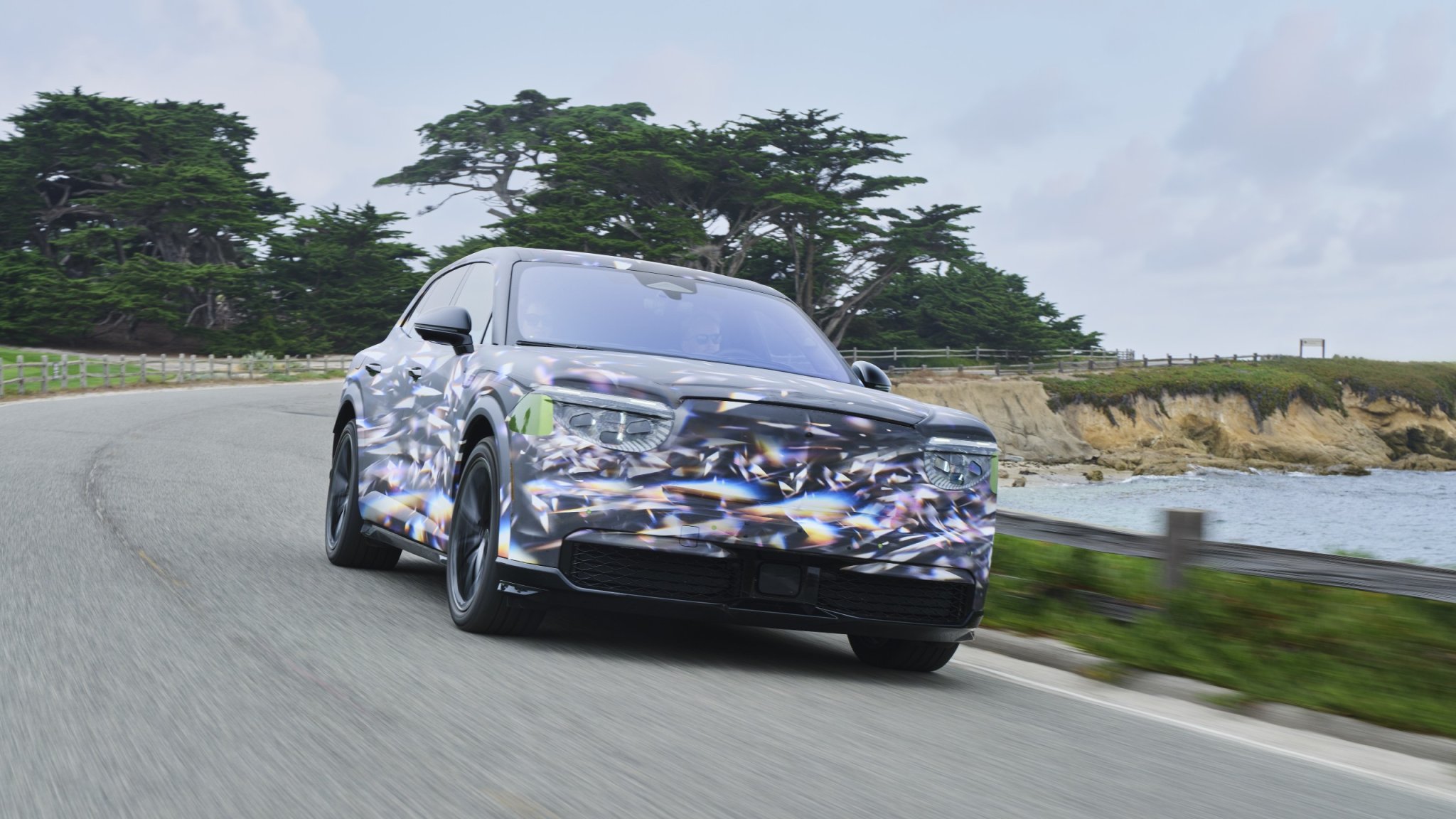
No matter how you slice it, this is one heck of a time to try to launch an EV. Political headwinds abound; federal subsidies are dead, and public sentiment toward is probably about as poor as it has been in close to a decade. That’s all a shame, too, because EVs are really starting to get interesting. Enter the Bentley Torcal.
You may think “Interesting EV” is a contradiction in terms, and you’re entitled to believe so. But let’s also confront a few inconvenient realities. First, EVs make exceptional luxury cars. They’re naturally silent, eerily smooth, and eminently capable of delivering bursts of extreme performance that keep them interesting enough for passers-by to gaze enviously in their direction. And second, love them or hate them, they still represent the new and different. Never underestimate the power of novelty, especially in the wandering eyes of new-money millennials.
But those are things luxury EVs have in common. In fact, they even have those things in common with not-so-luxurious EVs. And that’s a bit of a problem, because nothing ruins the allure of the new and novel quite like ubiquity. Oh, your Mercedes can do 0-60 in 3.5 seconds? So can my electric Kia. If the first major electrification hurdle for most automakers was making an actual electric car, the second obstacle is making an interesting one. Being somewhat late to the party, Bentley is in the unenviable position of trying to accomplish both in a single go.
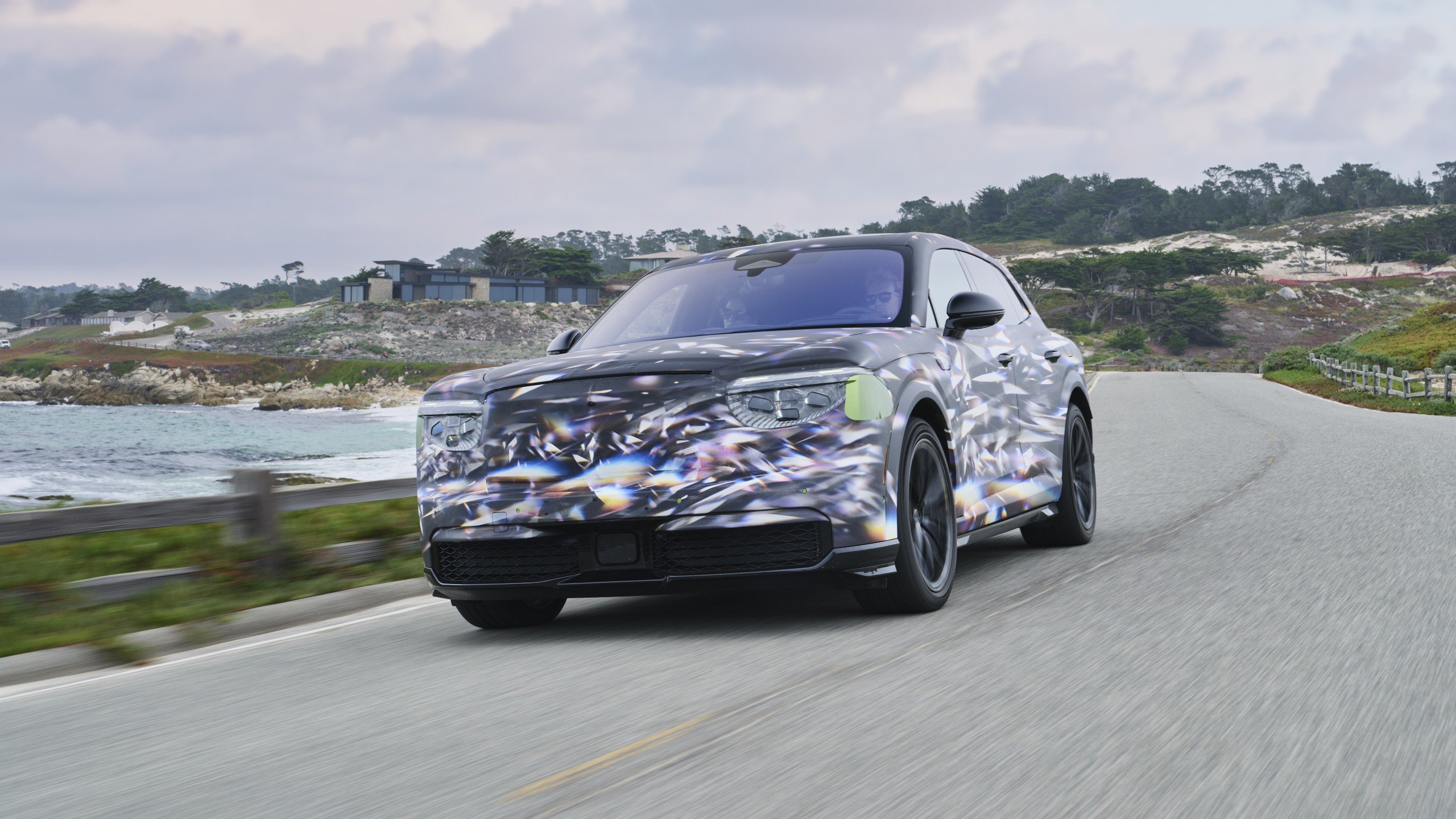
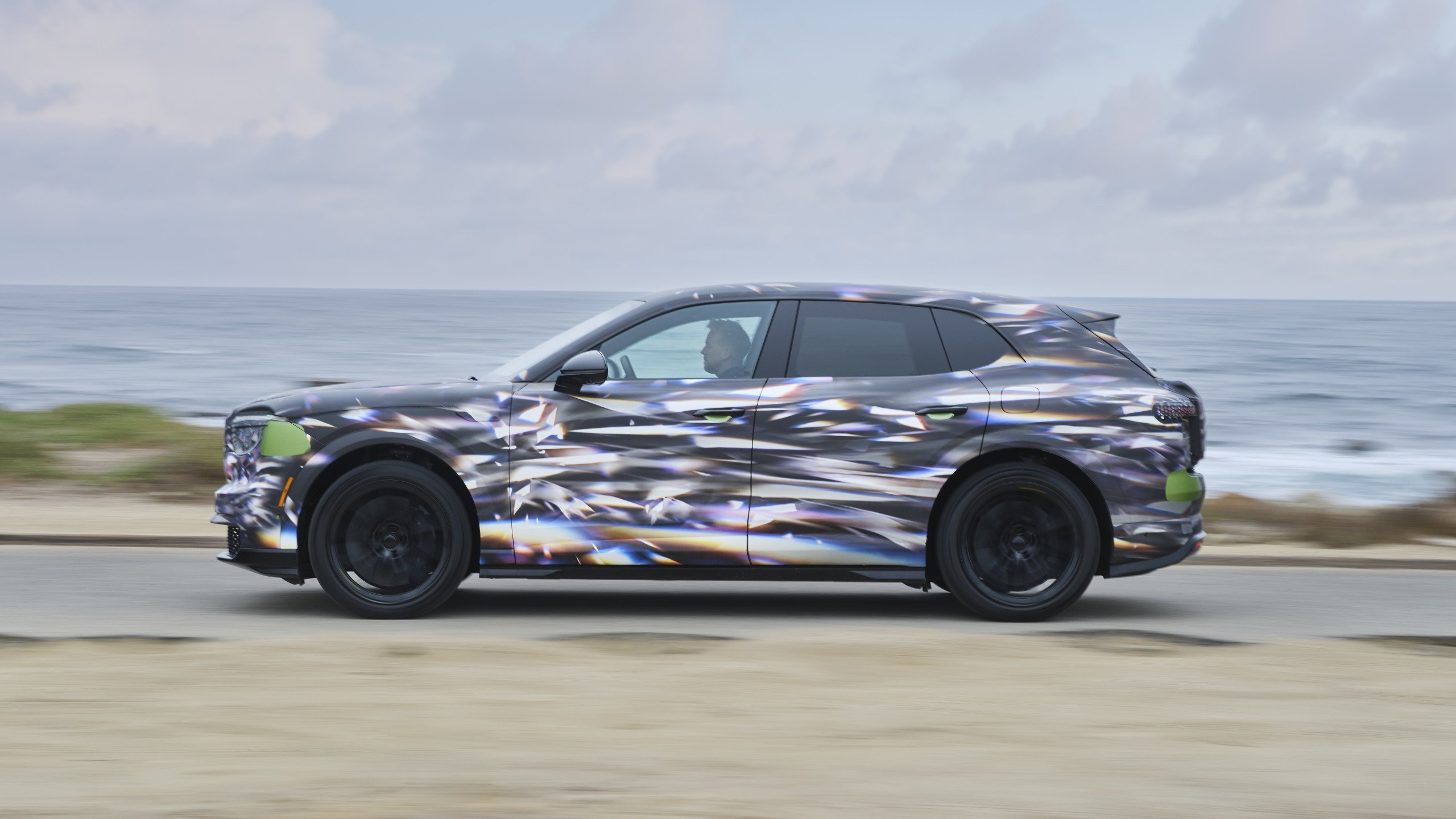
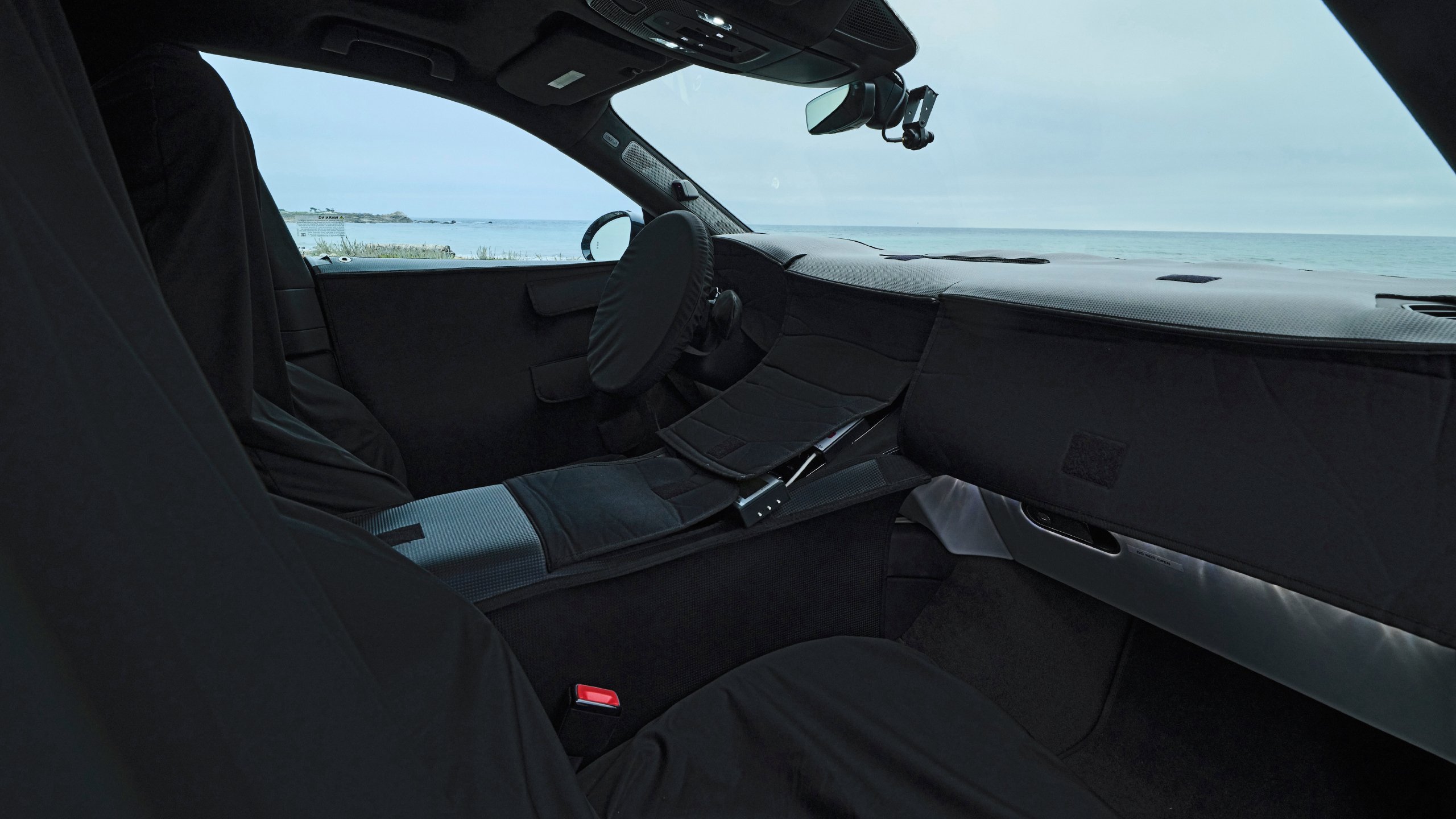
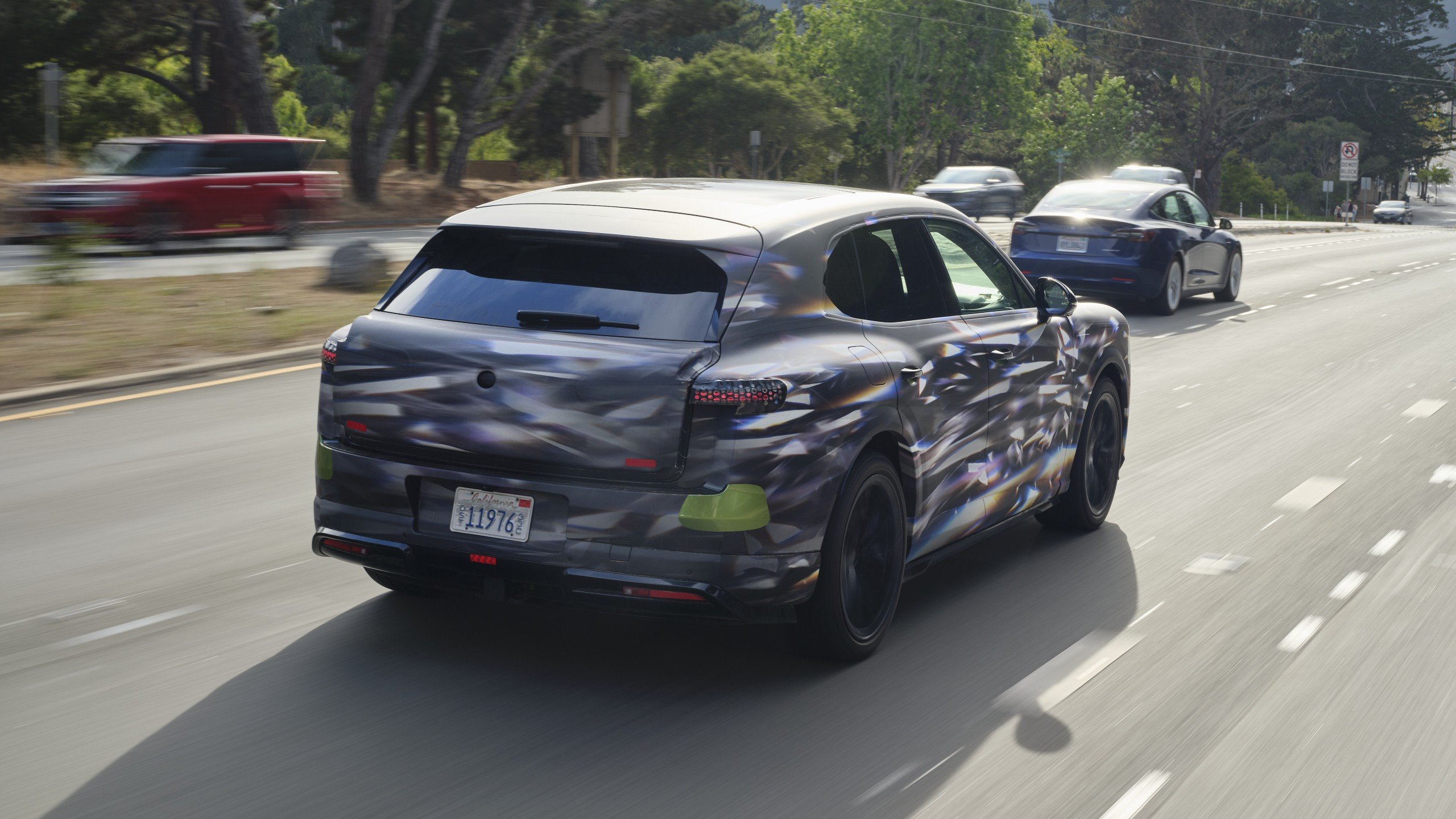
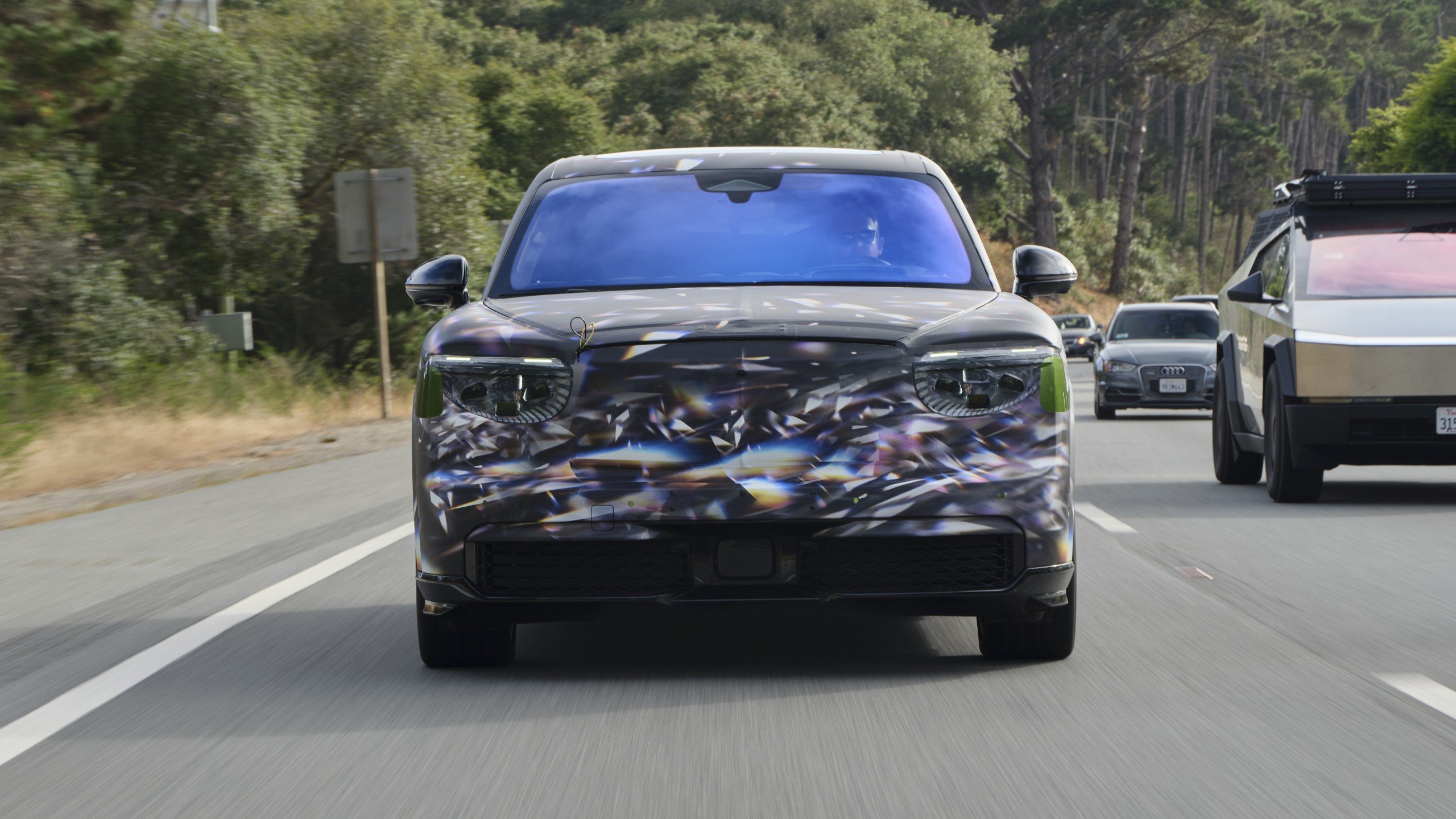
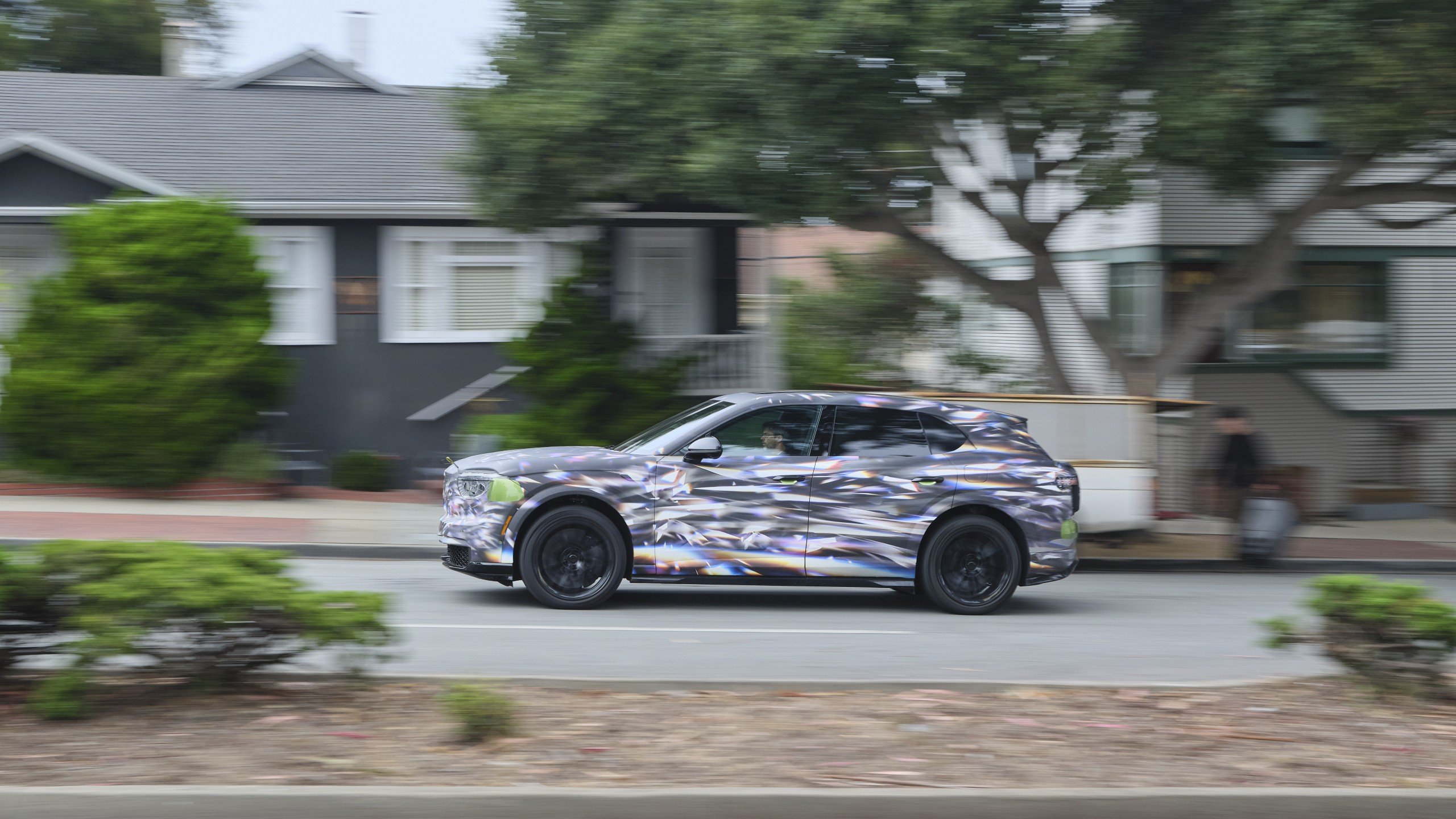
Bentley is keenly aware of its precarious position. If you lingered in Monterey after this year’s Car Week festivities, you may have noticed some camouflaged machines running around the seaside resort. One of them was this Torcal prototype, which was being used to shuttle journalists (your author included) around to give them a taste of the company’s first electric SUV.
We can say all we like that Bentley’s mission is simply to make an interesting EV, but the company has its own metrics to hit, and chief among them is, well, the car’s Bentley-ness. After all, Bentley dealers have to sell these cars to Bentley customers. They’re a picky bunch, we’re told, and not just by those whose job it is to maintain Bentley’s elevated brand image. The follow-up question asks itself: How do we define Bentley-ness?
A proper answer to that question would consume more space than I’m prepared to dedicate to the subject, so I’ll boil it down to the two words product line manager Martin Page used often to describe the what his engineering team had in mind when they were tuning the Torcal’s powertrain response: “effortless progression.”
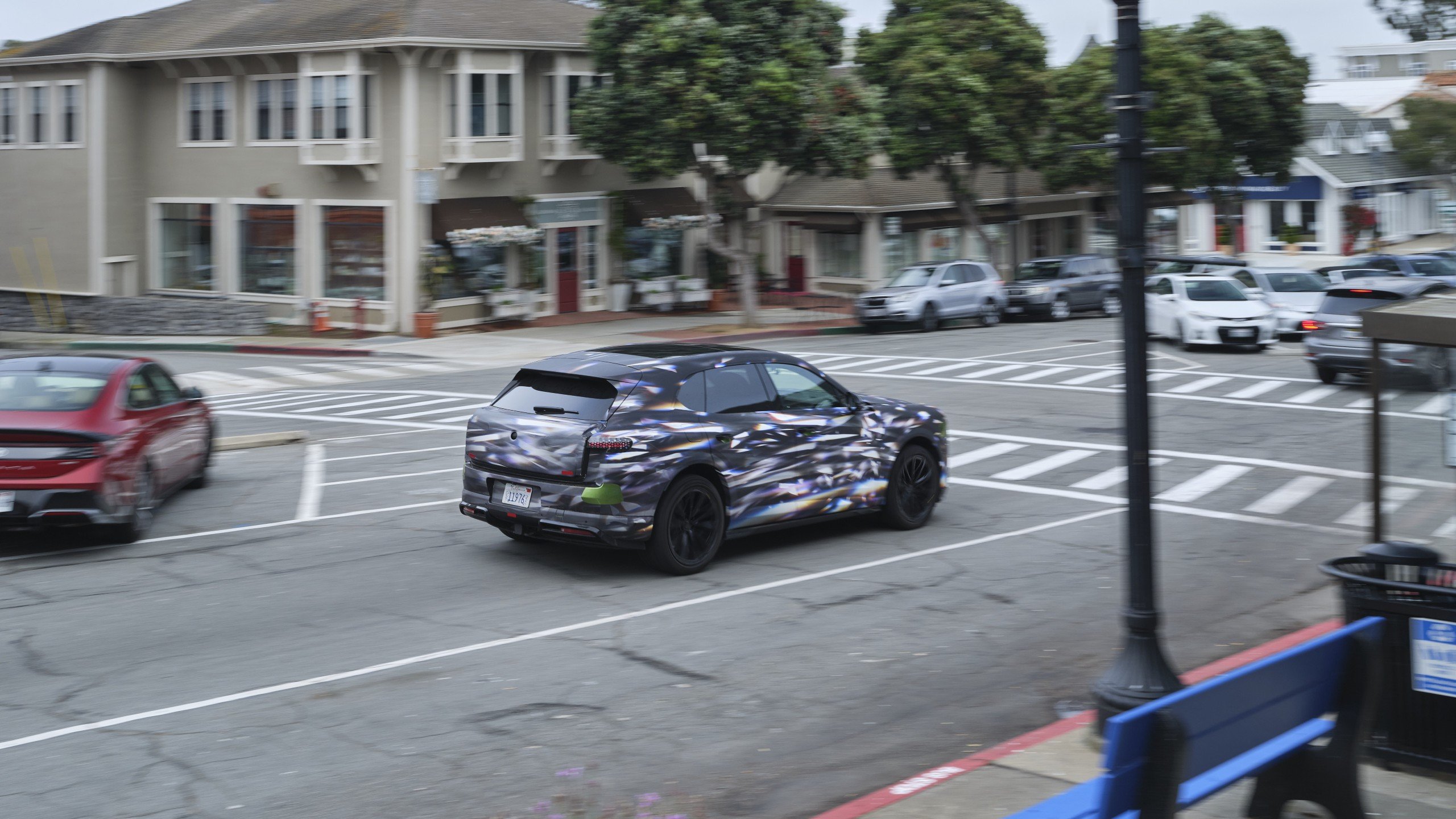
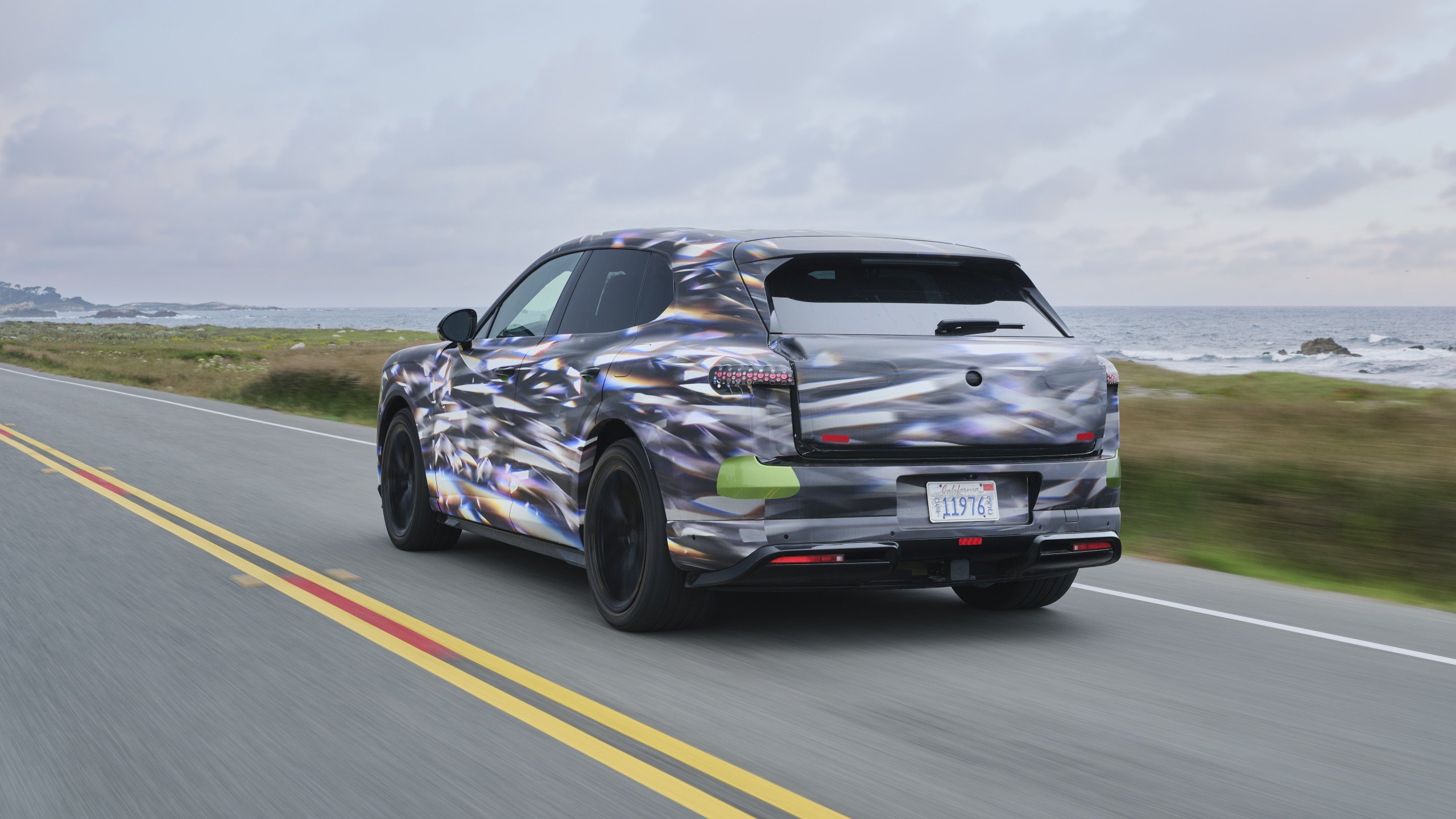
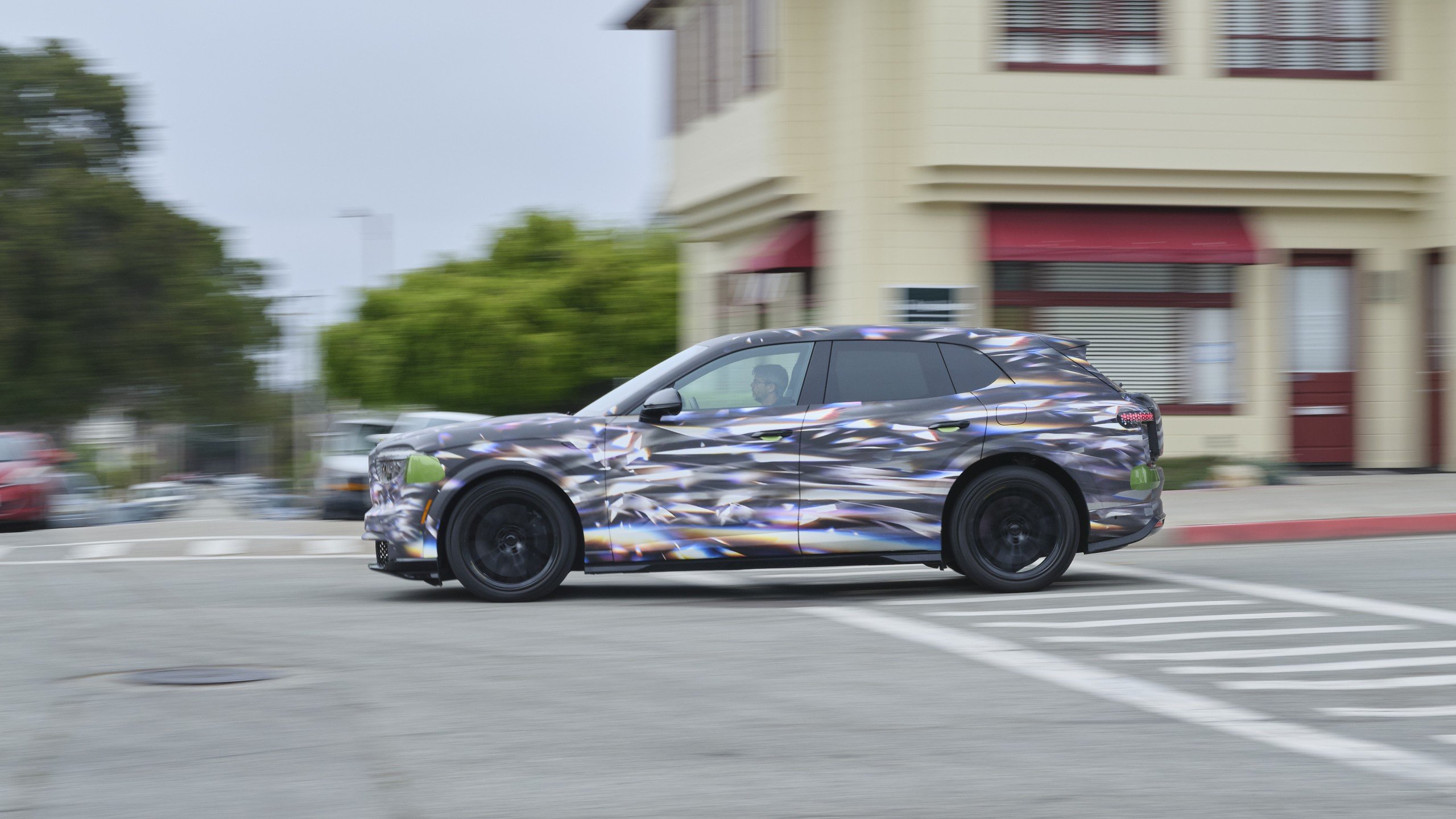
Certainly, Bentley’s got that part covered. The Torcal’s underlying platform is shared with the electric Porsche Cayenne‘s, and thus far shares virtually all (but not 100%) of its underlying capability. We already know that Porsche’s version goes like stink, and the Bentley will land between the Cayenne S and Turbo in terms of power (more than 840 hp) and weigh about the same. Their missions are similar, but unlike Porsche, Bentley isn’t chasing ultimate performance, but rather the ultimate expression of luxury.
Where the Cayenne’s steering is calibrated so that the road nudges the driver, Bentley’s elbows back at those perturbances. A Bentley controls the road, not the other way around. The Torcal’s response on-center is deliberately somewhat muted, progressing as the driver turns the wheel, helping maintain the illusion that the Torcal’s mere inertia is sufficient to carry it through irregularities in the path ahead.
But this sense of control isn’t meant to feel artificial. That’s incredibly complicated with electric cars, since the combustion process is responsible for a great deal of a petroleum-powered car’s inherent character. These days, the degree to which engine sounds are “real” is, like many things right now, a matter of debate, but at the opposite end of the spectrum, there’s typically nothing organic about the aural experience of an EV. With rare exceptions, EV sound is little more than an affectation.
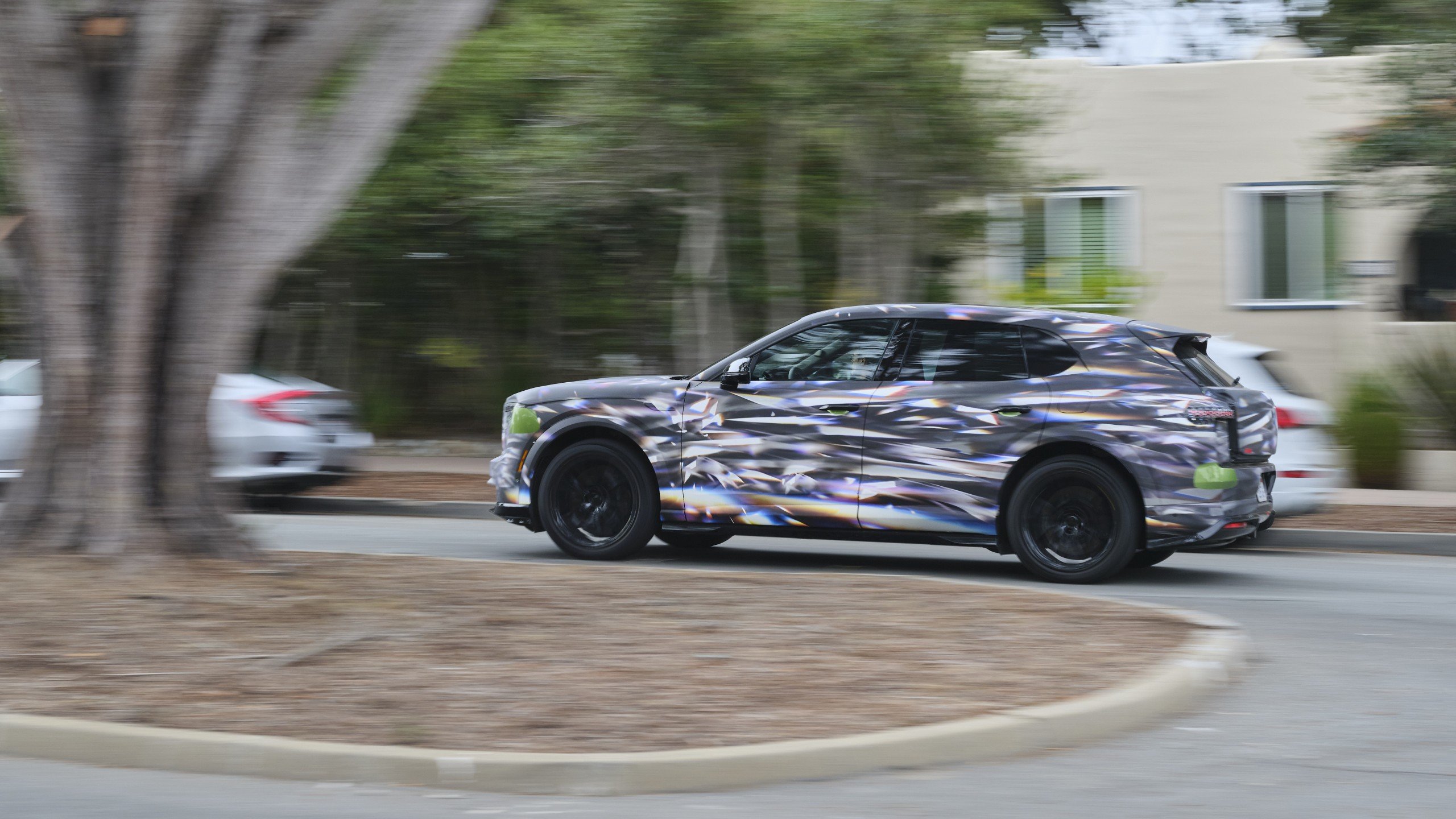
But rather than trying to emulate an internal-combustion soundtrack, Bentley looked instead to the sensations and stimuli that we associate with natural engine sounds, if not their actual source. Engines are imperfect, and so are the noises they make. This nudged Bentley toward using sound made by living beings, rather than something synthesized. The result? An instrumental soundtrack.
Think about the lope of an aggressively cammed V8—all those tiny explosions tapping against the piston heads in somewhat imperfect rhythm. There’s your idle beat, represented in Bentley’s propulsion sound by drums. The sound was filled out with other instruments, including the viola and bass guitar. And like an actual combustion engine, the noise from the Torcal is linked not to the car’s speed, but to the actual work being demanded of its motors. As motor load increases, the sound gets deeper and thumpier, to the point where you feel it in your chest. Accelerate briskly and the beat speeds up and the higher frequencies come in. It sounds right. It sounds like it belongs there.
And before, when I mentioned that Bentley left some of Porsche’s tech on the table? I was referring to Porsche Active Ride. It’s a neat thing, but it doesn’t contribute to making the car feel more organic. The 800-volt electrical system that supports the chassis tech exists in the Torcal, so its suspension is every bit as responsive as Porsche’s. There are lot of things that will make the Bentley Torcal an interesting—even compelling—EV, but Bentley simply opted not to fiddle with something that runs counter to its mission.
And before we close this particular commentary on “Bentley-ness,” I can’t help but point out one more feature—or rather, the lack thereof. Bentley says the Torcal will not have a passenger screen. That seems like a good sign that the driver’s luxury car brand still has its head on its shoulders, right?
Got a tip? Let us know at tips@thedrive.com
Loading comments…
Comments couldn’t be loaded. Please refresh the page.