
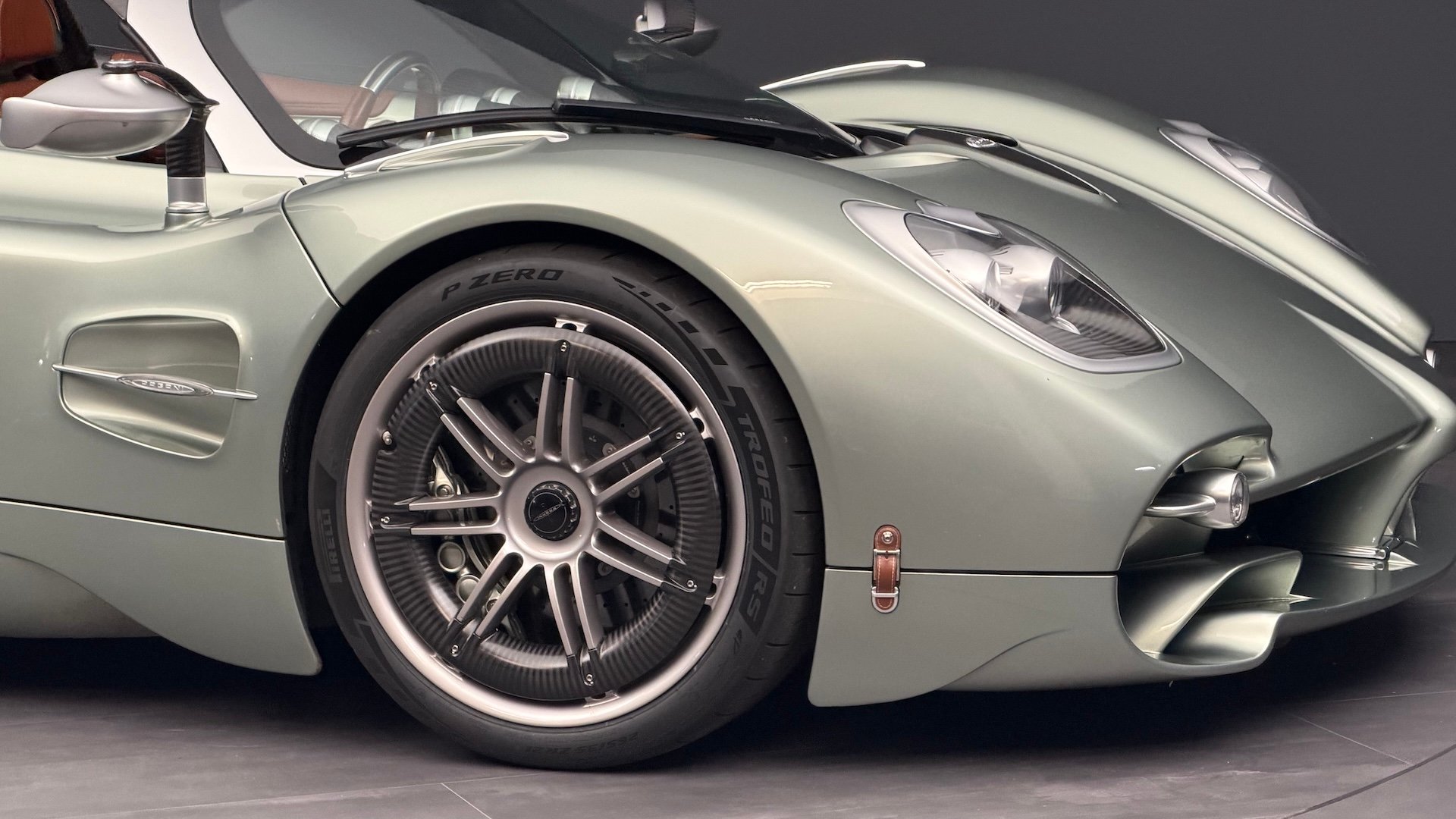
It’s easy to roll your eyes at Pirelli’s Cyber Tire simply because of its name. Thank the other, uh, “Cyber-somethings” out on the road. However, this Cyber thing is much cooler and, as it turns out, quite revolutionary. In a recent test performed by evo, the sensor-driven tire delivered shorter stopping distances, better grip, and impressive data collection compared to non-Cyber tires, giving drivers and automakers alike valuable information to improve performance and safety.
In a nutshell, each Cyber Tire has a Bluetooth sensor slightly larger than an Apple AirTag and shaped like a starfish. It lives inside the tire and can withstand a silly amount of stress as it goes round and round. A receiver module mounted on the axles transmits all gathered information to the car’s onboard computer. Specifically, it collects data on tire pressure, temperature, grip, and even wear. It then communicates with the car via an algorithm that adjusts braking (ABS) and stability (ESP) thresholds and application in real time.

Cyber™ Tyre | The Tyre That Talks to the Car
In a test at a racetrack on the outskirts of Milan with Pirelli, evo found that it drastically improved braking performance, especially in wet conditions. During a braking test from 68 mph to zero, the Cyber Tires stopped 5.7 meters sooner than their non-connected counterparts. That’s an impressive 18.7 feet shorter than normal!
How does it do this? When an automaker calibrates traction, stability, and other electronic safety systems on any given car, it relies on generalized data that fits a wide variety of tires, from all-season to summer and winter, and covers a broad range of applications and weather conditions. It’s a sort of one-size-fits-all solution. With Cyber Tires, the car knows exactly which tires are fitted, knows what the environmental conditions are, knows what the car is doing, and adjusts those aids accordingly. The result is braking performance and ABS, ESP, and traction control intervention tailored to the specific moment of the braking event.
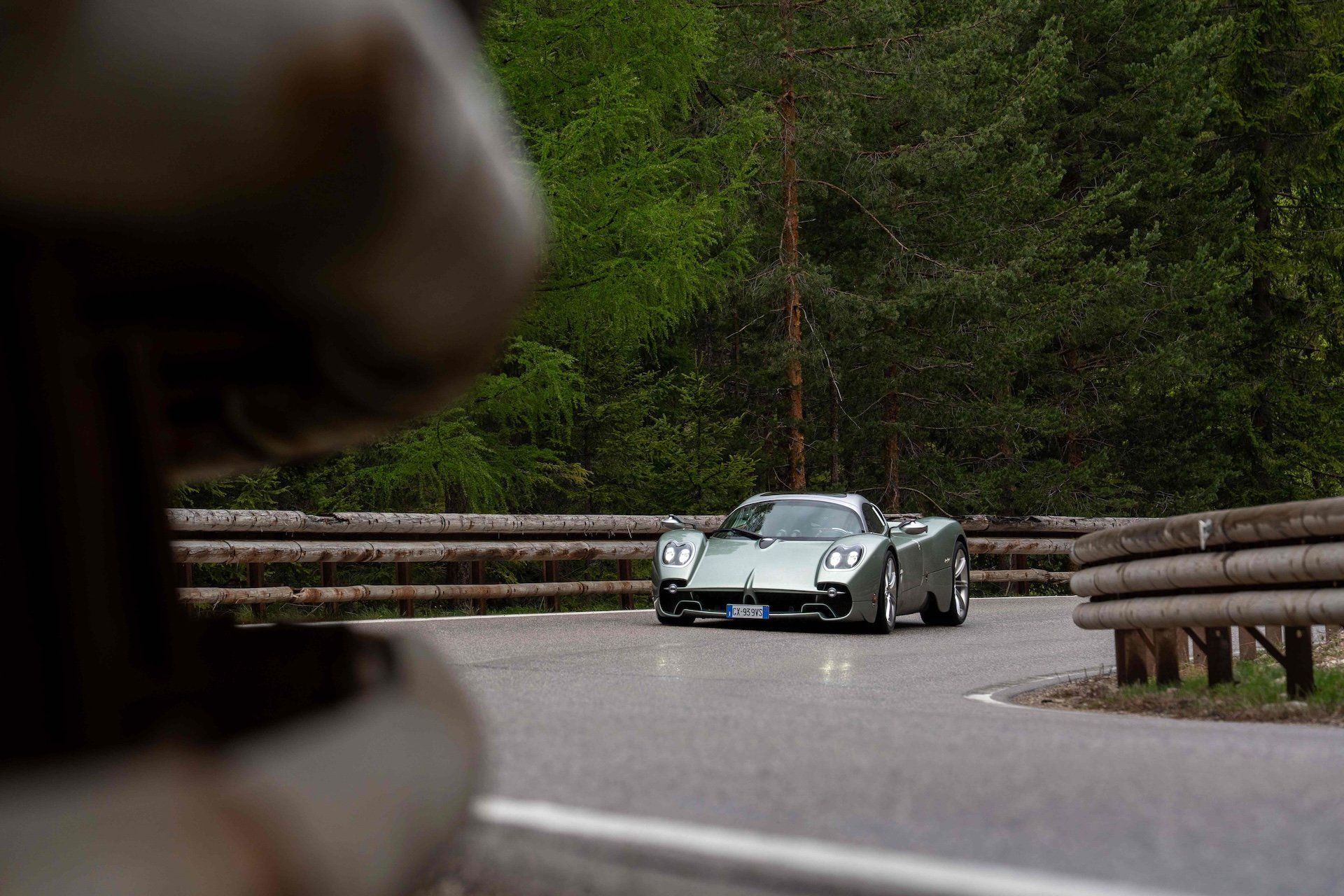
This tech comes in handy beyond hard braking or track driving. During a wet handling test, the publication found that the driver was able to keep steering control much better and longer rather than just understeer while turning, all because the car knew several factors, including the tire’s exact tread pattern; it knew the grip conditions, and it could better apply braking pressure and traction control intervention to enhance the driver’s steering inputs, resulting in better control of the car. Rather than relying on preset data, the car knew the grip levels in real time.
The Cyber Tire is mostly found on high-end machinery today, like Astons, BMWs, McLarens, and in a car I recently test-drove: the Pagani Utopia Roadster. Like most on-road technologies, it performs well in its current form, but it will surely develop, and its applications will expand over the next few years. But so far, it’s impressive.
Got a tip? Email us at tips@thedrive.com
Loading comments…
Comments couldn’t be loaded. Please refresh the page.