
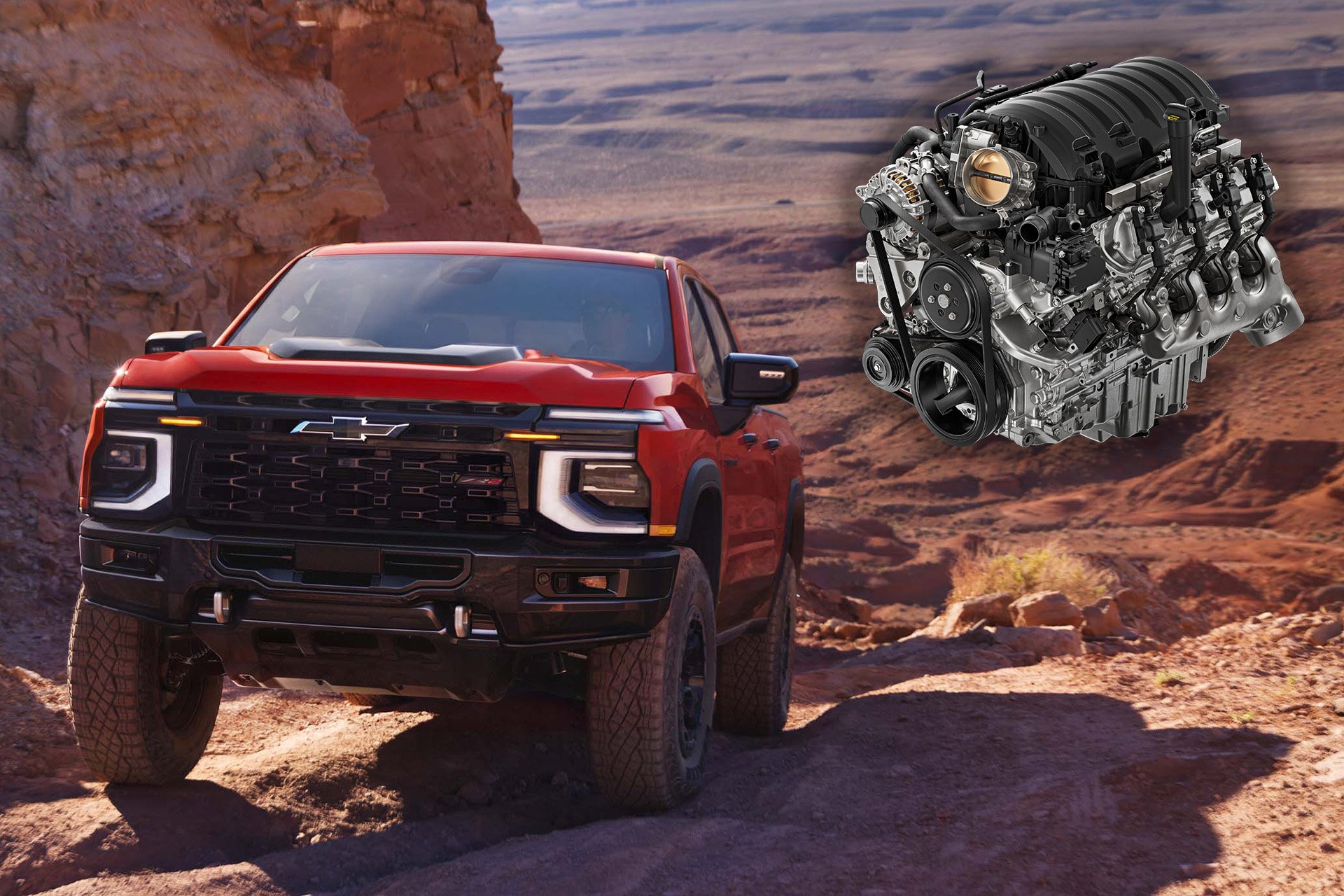
We’ve known for a while now that General Motors is rolling out a pair of new small-block V8s with the 2027 Chevrolet Silverado and GMC Sierra. However, the manufacturer has been tight-lipped on power specs—until now. The results are respectable, as the sixth-gen small-block V8 makes up to 481 horsepower and 501 lb-ft of torque in 6.6-liter form with no power-adders. In case you were wondering, that makes it the most powerful V8 in its class, and not by a little.
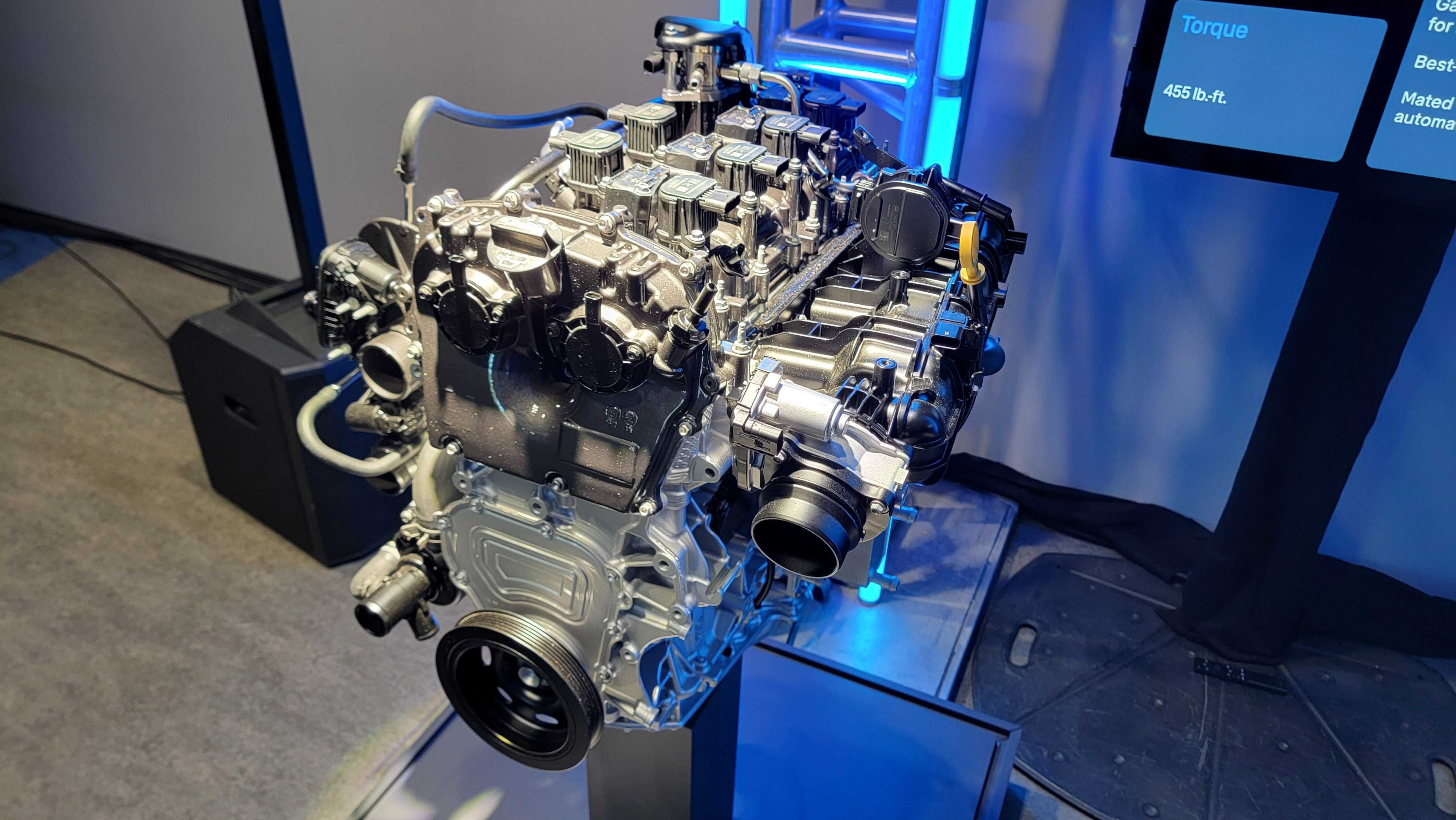
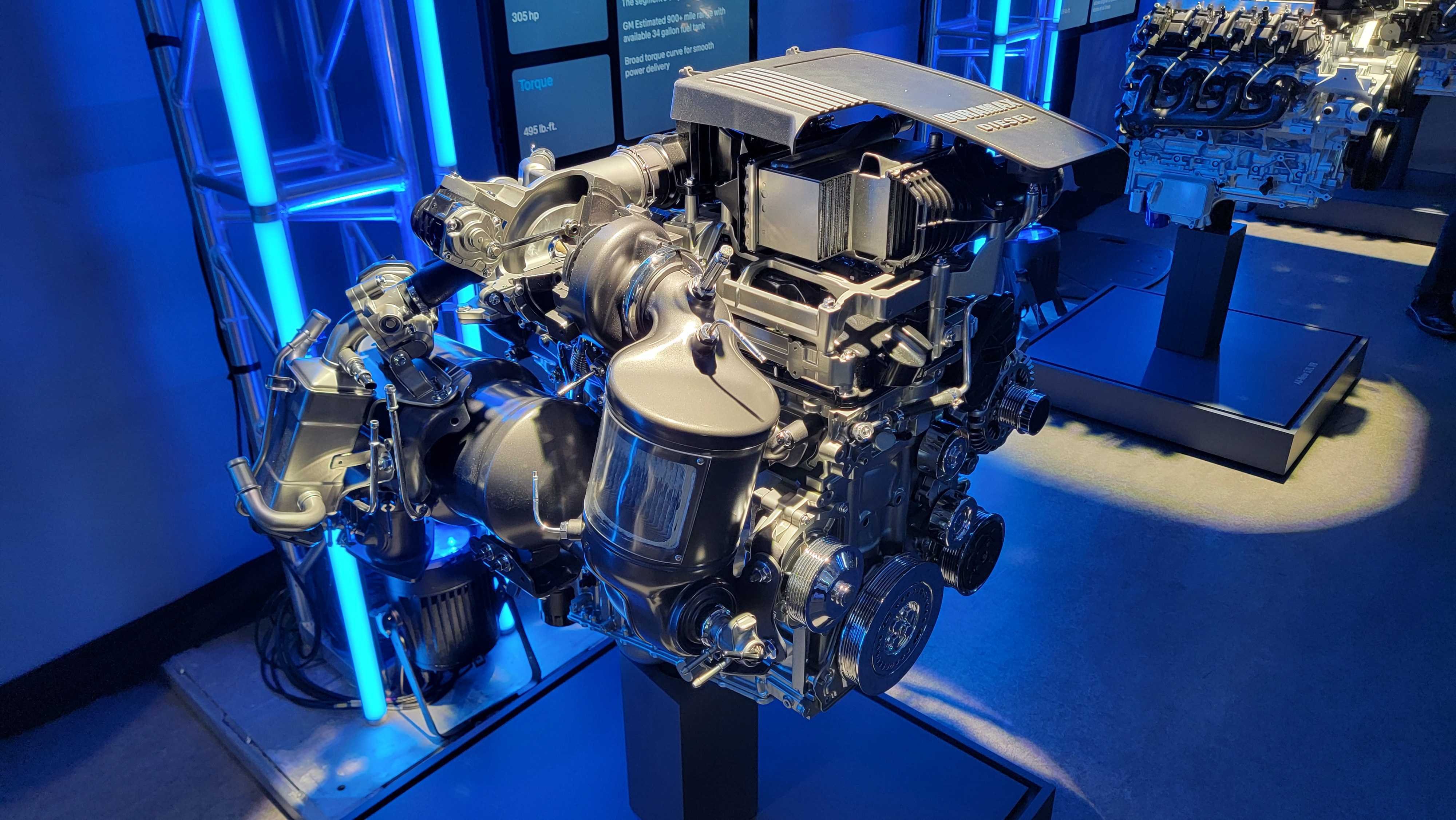
Output is solid across the GM half-ton truck lineup. The upgraded 2.7-liter TurboMax four-cylinder base engine now makes 350 hp and 455 lb-ft of torque—up 40 hp and 25 lb-ft from last year. GM’s press release says it achieved these power increases with a new turbo, more efficient fuel injection, better active heat management, and redesigned pistons. Meanwhile, the 3.0-liter Duramax diesel sticks with 305 hp and 495 lb-ft of torque.
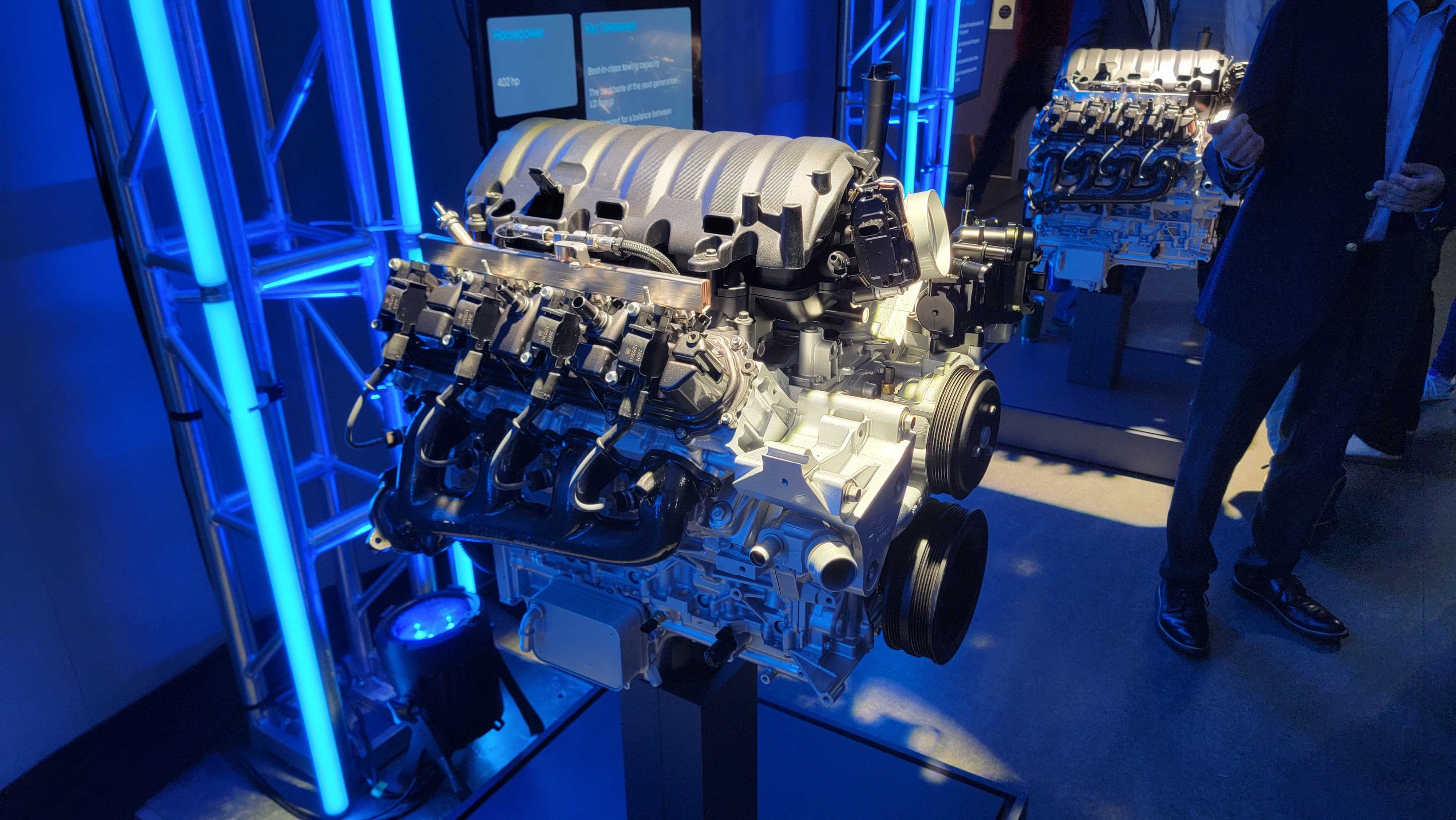
The V8s are the talk of the town, though. GM made sure that even the smaller of the two, the 5.7-liter L76, beats its crosstown rivals where horsepower’s concerned, with 402 hp and 428 lb-ft of torque. For reference, Ford’s 5.0-liter Coyote makes 400 hp and 410 lb-ft, while Ram’s 5.7-liter Hemi makes 395 hp and 410 lb-ft. This engine is also GM’s most capable tow pig, as it’s rated for up to 13,700 pounds in the Silverado and 13,500 pounds in the Sierra.
As for the 6.6-liter L78, it extends the lead even further past the competitors’ V8s. Obviously, increased displacement helps, as GM upped piston stroke by 6 millimeters. The new top dog also has a higher 12.5:1 compression ratio than the 6.2-liter it replaces, which ran at 11.5:1. GM says larger throttle diameters enable more airflow, while a new intake manifold design with tuned runners manages that airflow to result in better power.
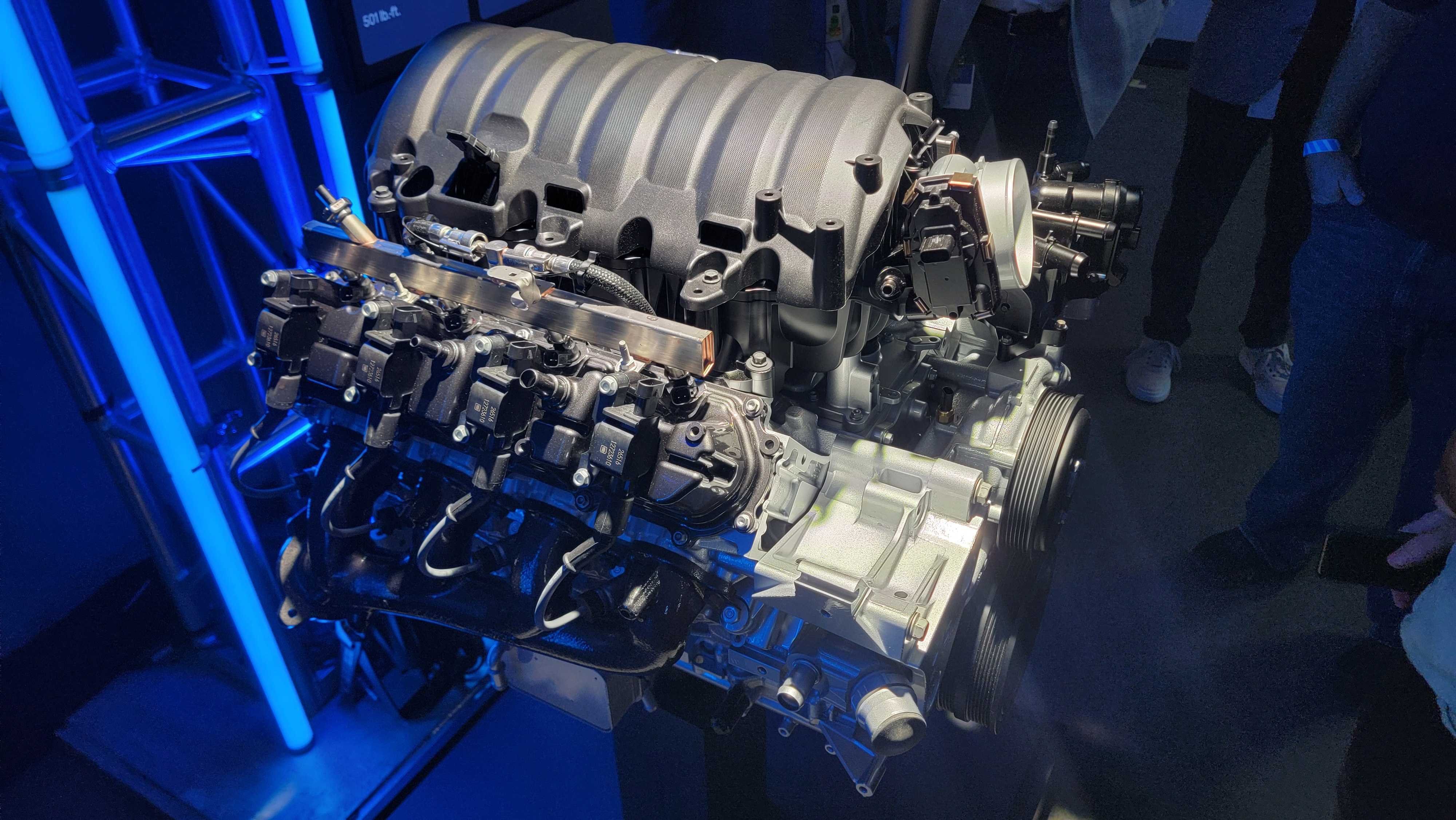
With all that said, the 6.6-liter isn’t the most powerful half-ton truck engine overall. That title belongs to the Ram 1500’s high-output Hurricane inline-six, which hits 540 hp and 521 lb-ft of torque thanks to twin turbochargers. Then, Ford makes a high-output EcoBoost with less horsepower but more torque than the L78, with 510 lb-ft. We could get into the weeds talking about hybrids, like Ford’s 3.5-liter PowerBoost or Toyota’s iForce Max, but the small block is sort of the opposite of those.
And before you ask, yes, the new V8s still feature displacement on demand. That’s fancy terminology for “cylinder deactivation.” I’m not sure there’s a world where GM could continue making V8s that meet tight emissions standards without it. People can choose to be peeved over that, or they can hate GM for building these new engines without oil dipsticks. (Apparently, it ditched them to fit a new coolant switch.)
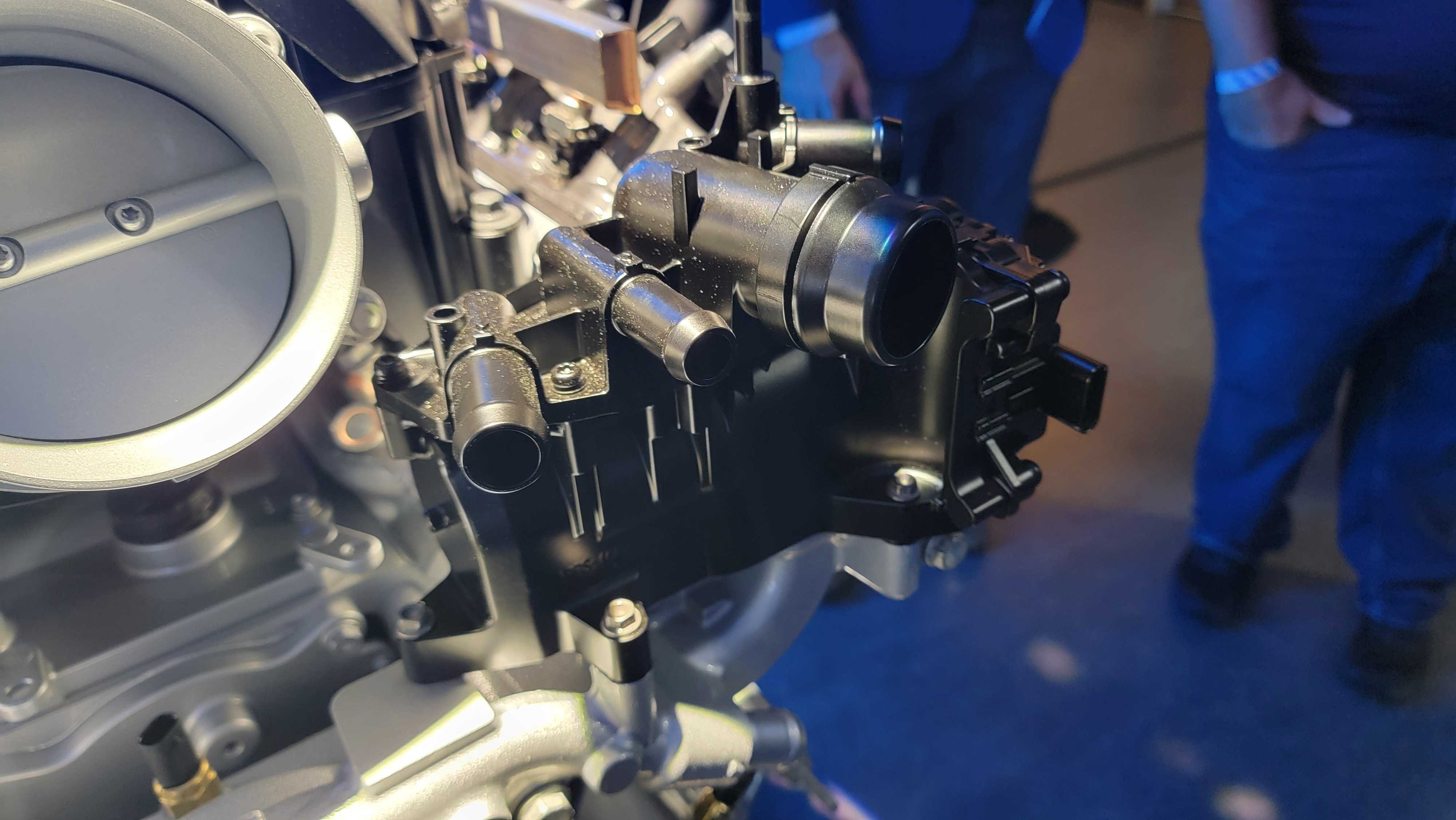
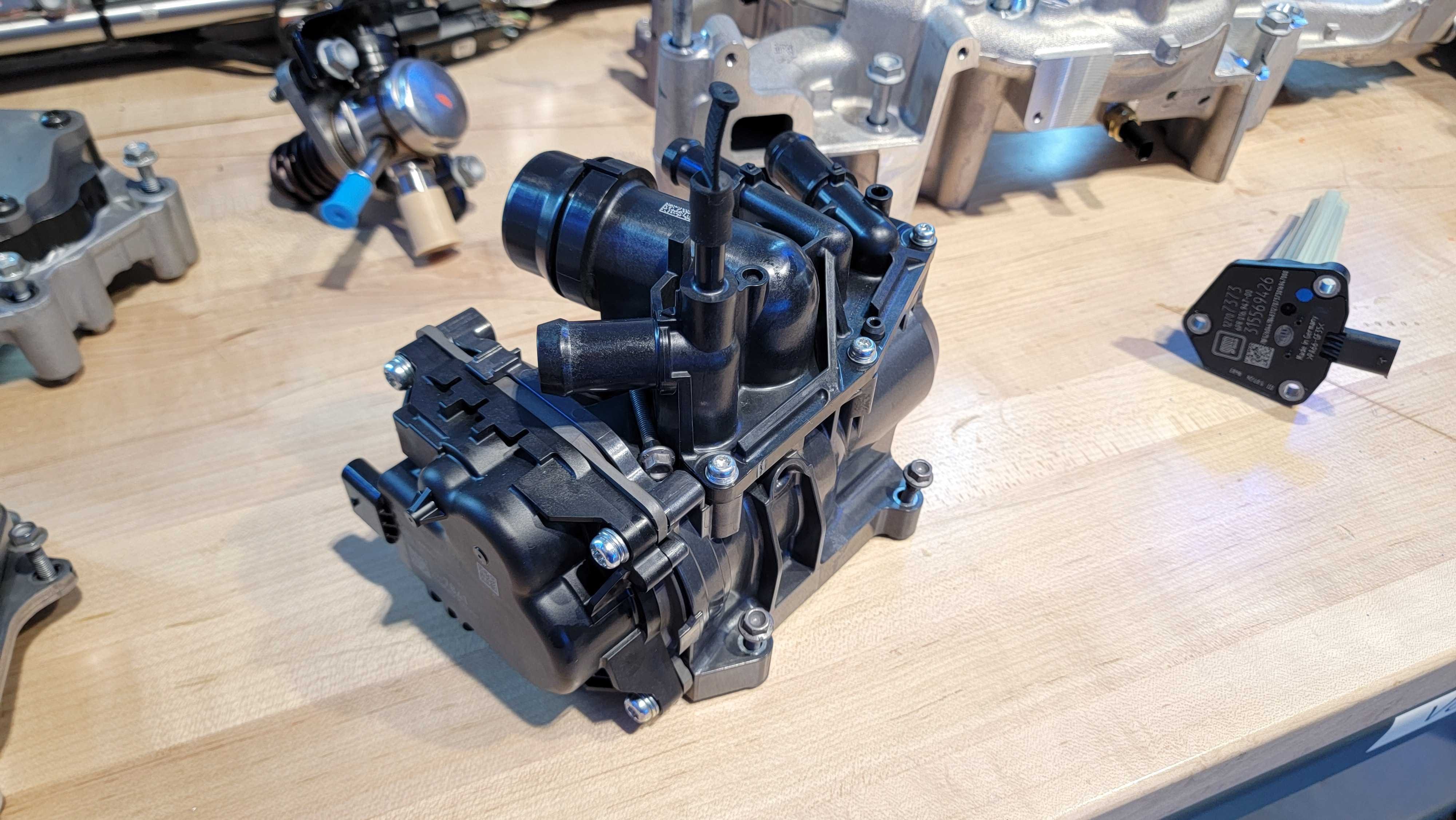
It’s still intriguing to see GM put so much stock in V8s, as it wasn’t that long ago that truck makers were moving away from the tried-and-true configuration. Toyota no longer sells a V8 pickup, and for about a year, neither did Ram. And even though Ford never stopped offering the 5.0-liter in the F-150, it’s been mostly the same for years. GM took a huge step by developing an entirely new generation of small-blocks, and while there’s surely some carryover, they are new engines.
I’m personally stoked to romp a new Silverado with one of these V8s—specifically, a ZR2 with the 6.6-liter. In the meantime, though, I’ll keep bench racing with the rest of the internet. Let the smack talk begin.
Got a tip or question for the author? Contact them directly: caleb@thedrive.com
Loading comments…
Comments couldn’t be loaded. Please refresh the page.