
General Motors aims to deliver a message: We are a modern company that can compete with and best the less experienced newcomers. The tech shown and discussed impressed, but the devil is in the details, or, historically at GM, execution, as Director of Industry Analysis at AutoPacific Paul Waatti told The Drive.
In New York City, GM’s executive team, including CEO Mary Barra, President Mark Reuss, and Chief Product Officer Sterling Anderson, laid out the automaker’s near- and long-term future. It’s all built around a new centralized electrical architecture that will underpin everything else: AI-accelerated product development, a ground-up reboot of OnStar as the center of the ownership and user experience, next-generation EVs, and eyes-off autonomy expanding throughout the lineup, including the automaker’s trucks. GM’s already implementing some of this internally. Owners will get their first taste in the coming months with broader rollouts starting in 2028.
Already in motion within GM is the use of AI for vehicle development. Anderson laid out that the integration of AI will enable today’s development time of four to five years to be cut in half. Further, aerodynamics testing that took 60 hours can now take 60 seconds. Structural analysis that used to take months can now take hours. “You can imagine what that does for iteration speed,” Anderson said.
This is all enabled, according to Anderson, by GM leveraging its historical troves of data to feed into the machine learning systems. “The size and scale of GM with its data isn’t an anchor, it’s an advantage. Decades of data and experience. Smaller players can build models, but can’t match GM’s data” Anderson said.
All of this will save not only time but cost thanks to efficiencies and streamlining of design, engineering, testing, and even manufacturing. When asked if those cost savings will trickle down on future products to the consumer Barra dodged the question and noted that GM has a vast lineup of vehicles it already sells today for $30,000 or less at a profit.
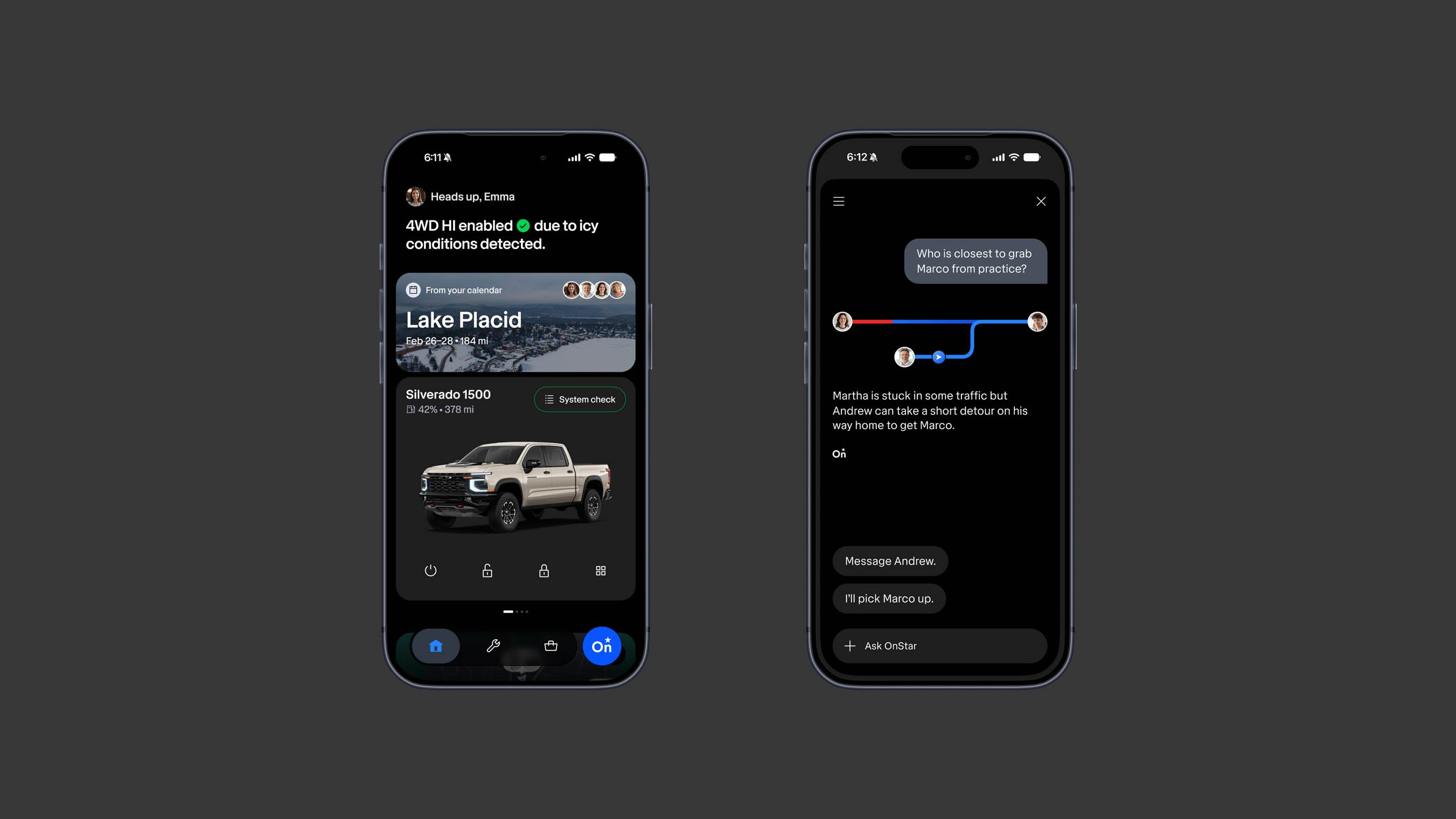
OnStar is going to become your AI assistant, both in the car and on your phone. At least, that’s GM’s vision of your vehicle ownership experience. The Chevrolet, Cadillac, Buick, and GMC iOS and Android Apps will be replaced next year by a new OnStar mobile phone app that will unify the experience and bring one singular place for the entire family’s vehicles regardless of which badge is on the front end. Parents will be able to track both the vehicles and the people via permissions from the devices (such as Find My on an iPhone integration). This experience will work with both gas and electric GM vehicles. And of course, AI will be built directly into the app so a user can ask it to ensure the vehicle is started and warm 15 minutes before the calendar says they need to leave.
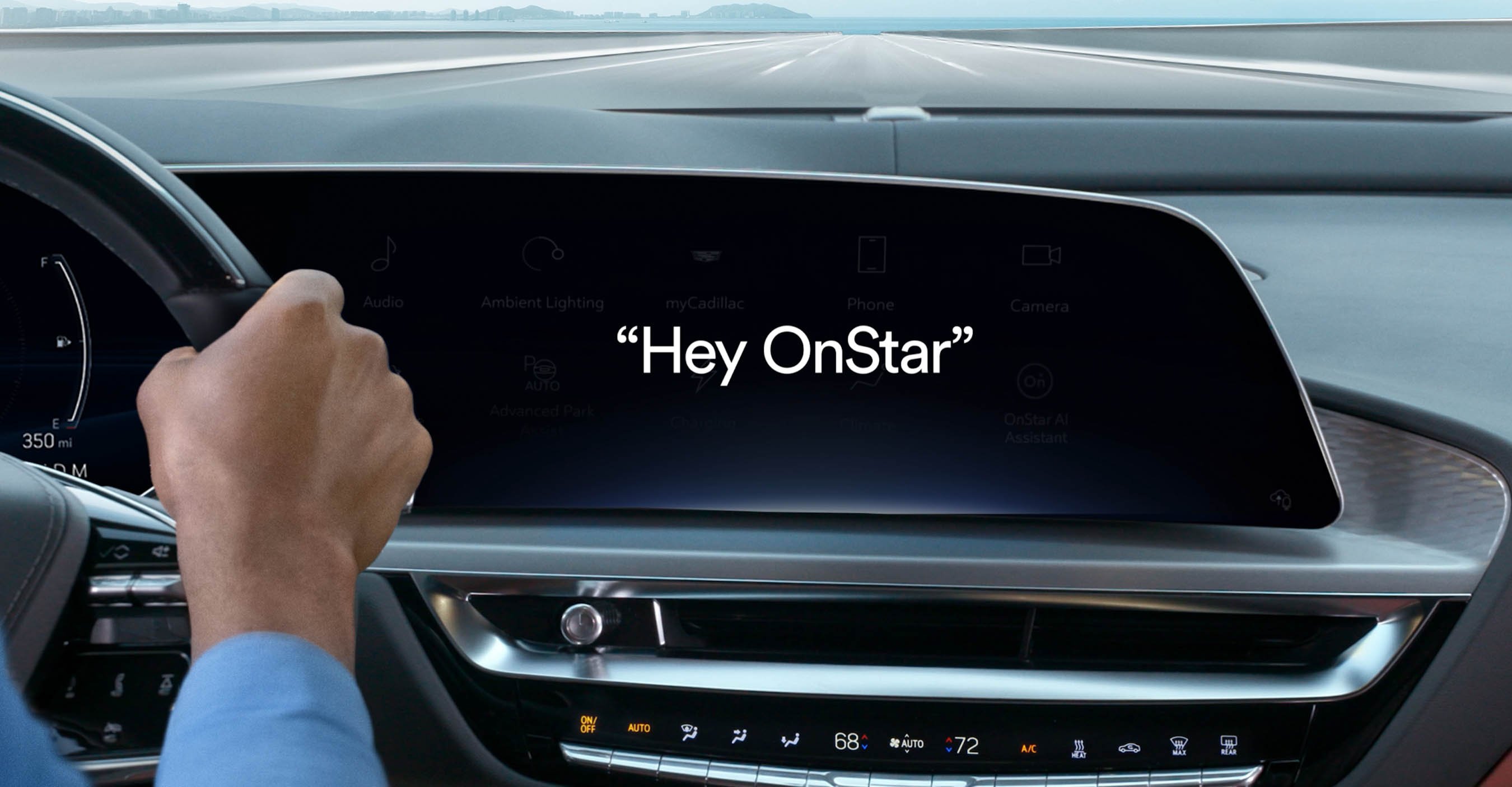
Before the new OnStar app launches a new in-vehicle OnStar AI assistant will launch later this year. First appearing in the 2027 Lyriq and later among the broader GM lineup both on gas and electric vehicles. Like other automakers, the OnStar AI agent will be deeply embedded within the vehicle’s subsystems and GM’s team is coding the software to ensure it can deliver on true vehicle understanding. Using natural language structure a driver will be able to say, “Hey OnStar, what was that vehicle warning or that alert noise from the car earlier and what did it mean?” The vehicle will explain that alert and or noise from earlier. For the generations that grew up with OnStar connecting you to a live human to speak with that function will still exist.
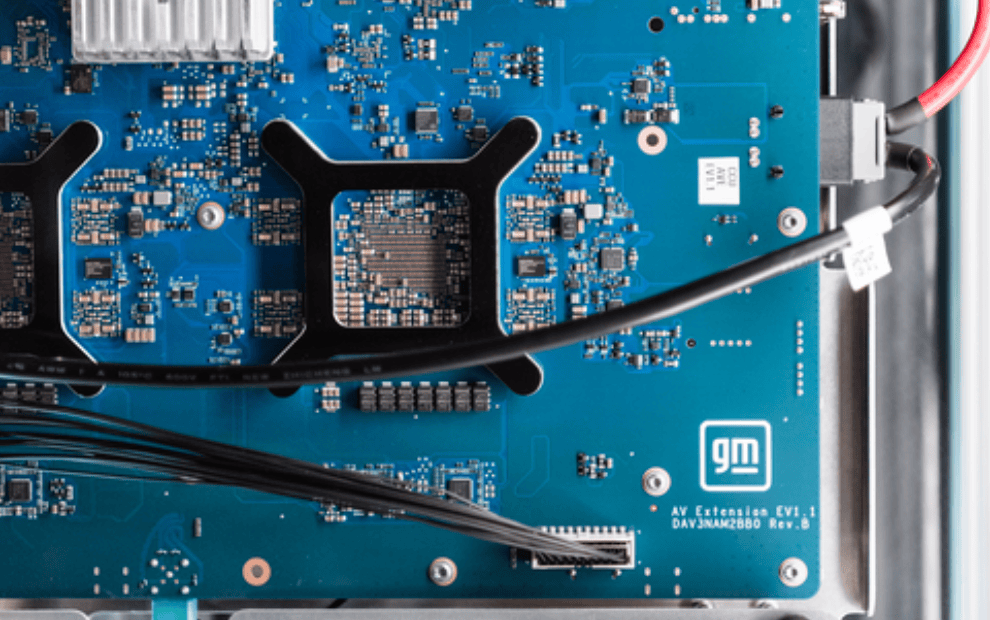
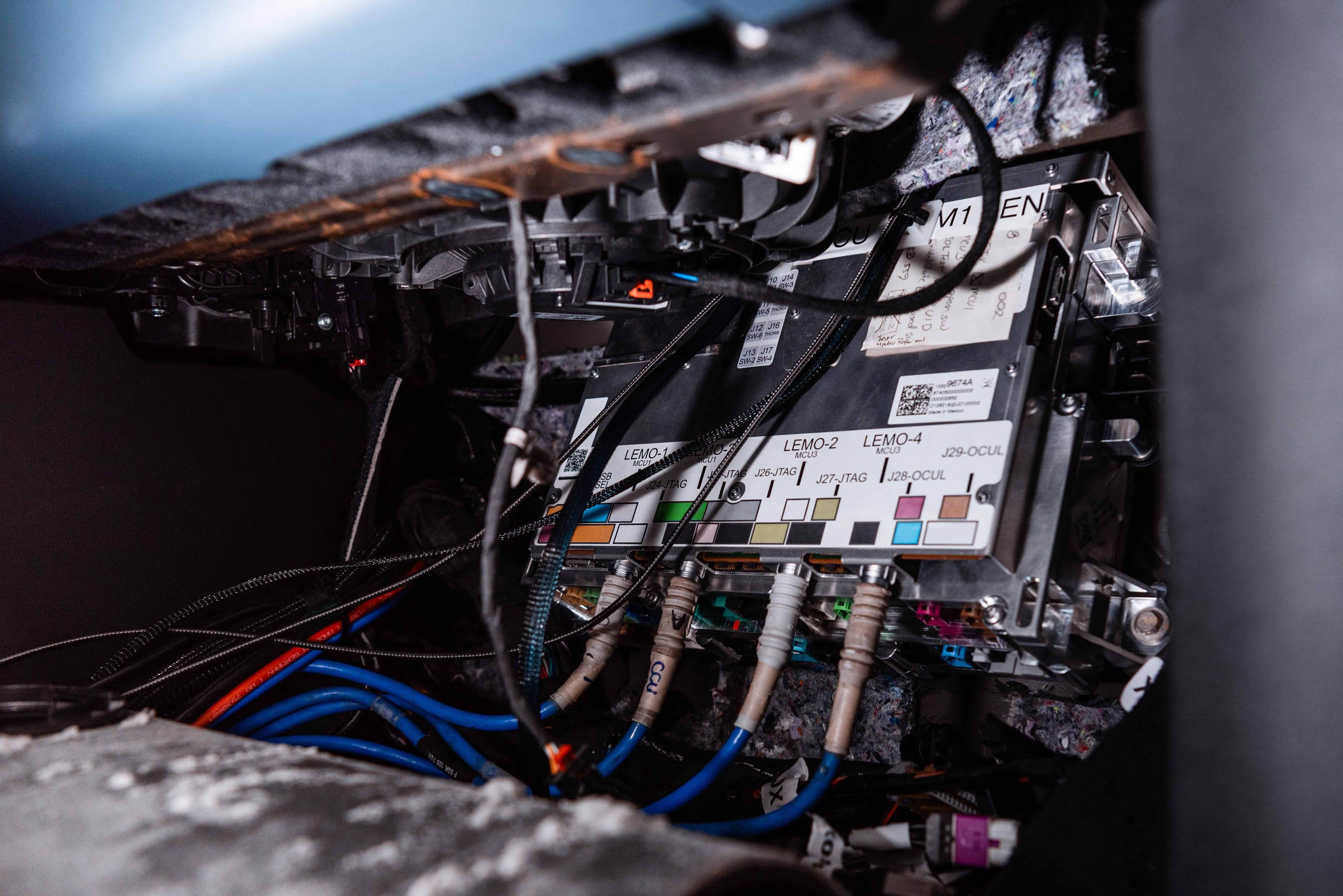
Future vehicles, starting with the 2028 Cadillac Escalade IQ, will run off GM’s new electrical architecture that features a central compute unit. In an era where modern cars can have 80 to 100 plus ECUs it’s complicated to deliver new features via over-the-air software updates. Rivian made news with its first-gen vehicles and just 17 ECUs, and then again when it revealed the second-gen R1 models that cut the number down to just seven ECUs. Now GM’s about to deliver vehicles with just one central computer.
This new system enables a truly software-defined vehicle, less latency, faster operations, 30% less wiring, and 40 times more power than today’s systems. A spokesperson said the new central computer has the power of 40 laptops. The system will create headroom for future features and will expand beyond the Cadillac Escalade IQ into the automaker’s full-size trucks and SUVs, both gas and electric.
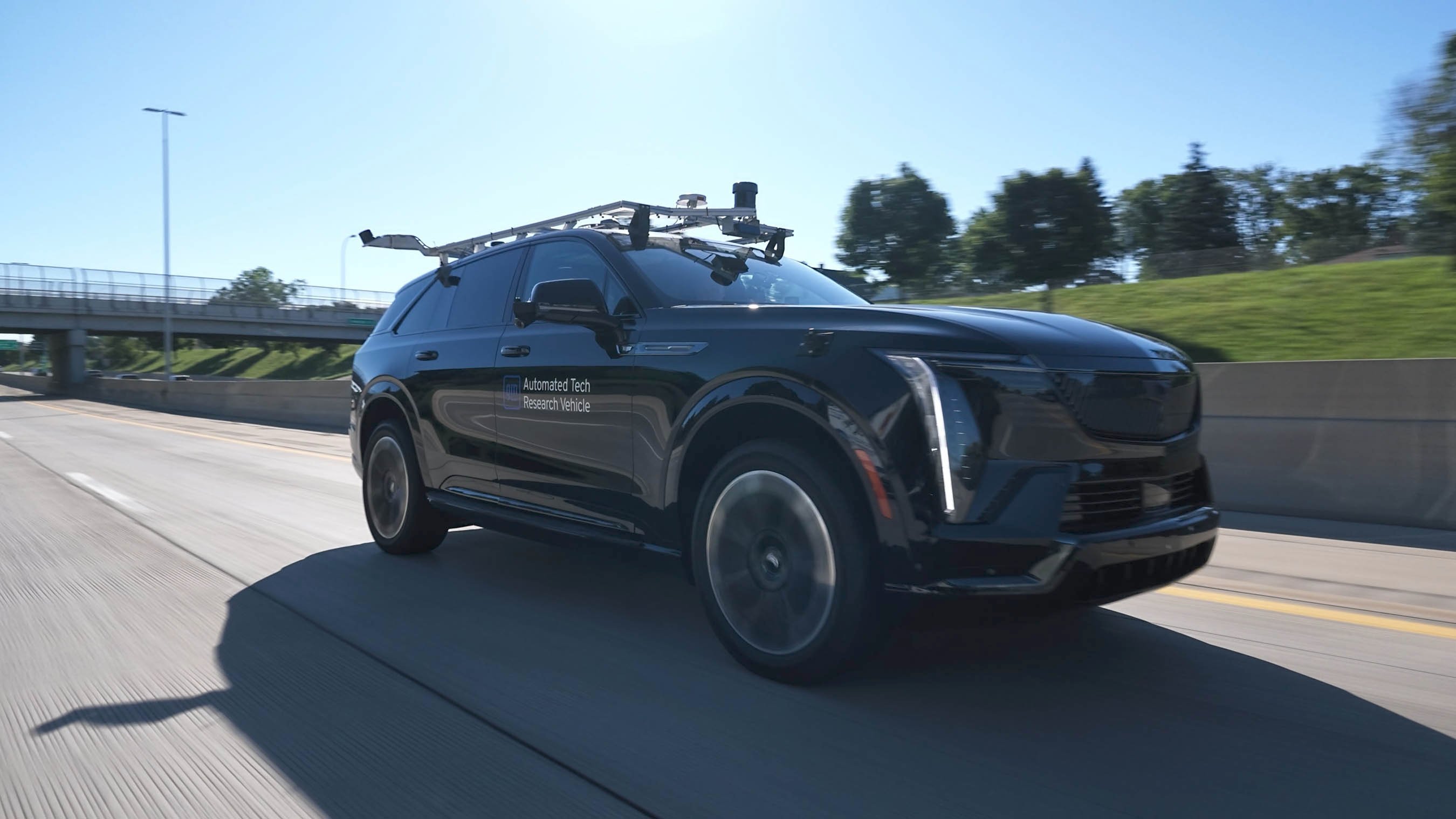
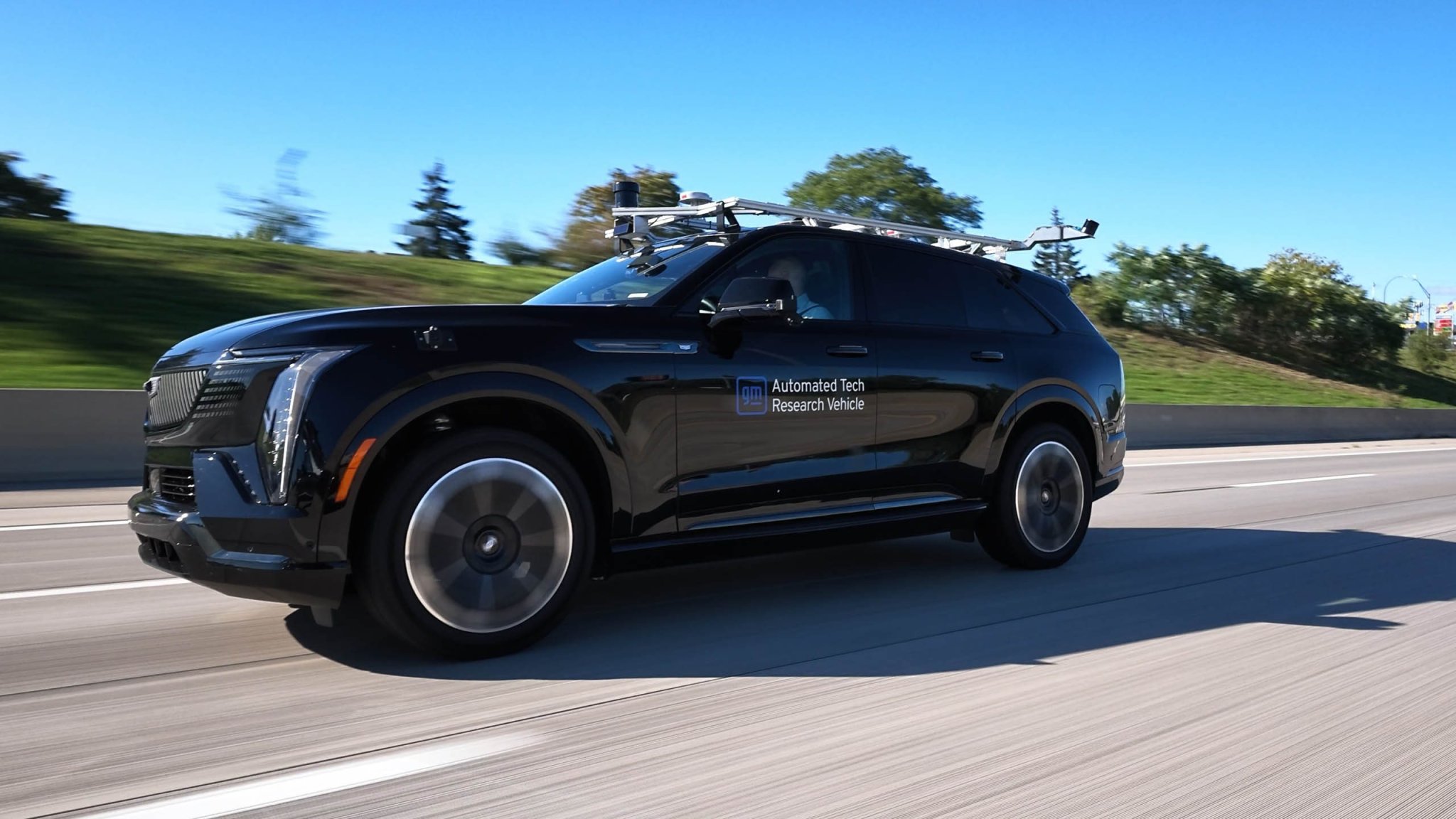
Additionally, the 2028 Cadillac Escalade IQ will debut GM’s eyes-off autonomous driving system. This will take today’s hands-free Super Cruise driver-assist system and make it so drivers don’t have to watch the road. You’ll be able to watch a movie, read a book, write emails, or hold court with your family to explain why you aren’t turning this car around even though you aren’t even driving it.

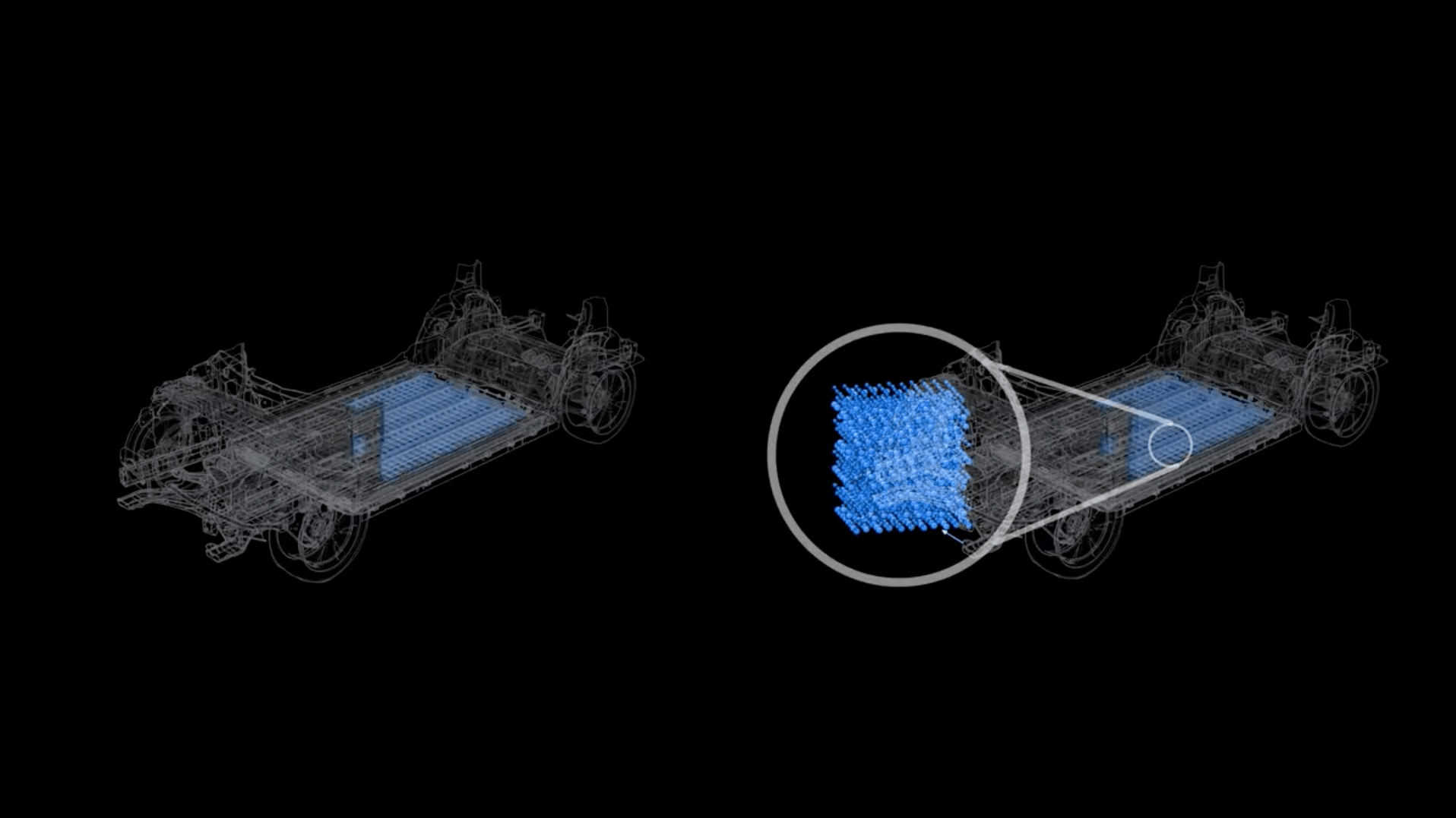
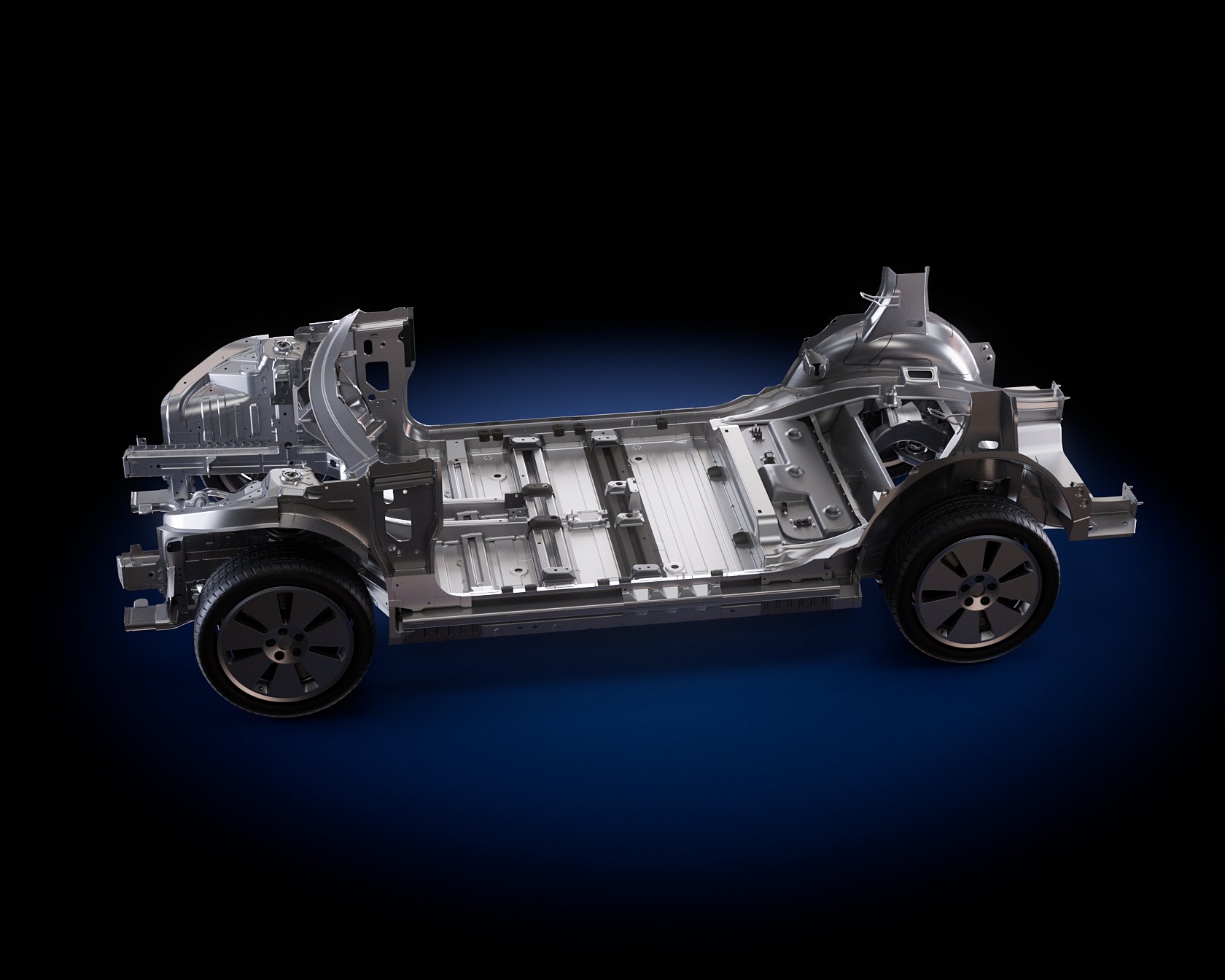
All of these new systems and hardware pieces lead to the next-generation EVs. GM wouldn’t commit to a timeline of when we’ll see its fourth-generation electric vehicles, but said they will be powered by LMR batteries with 33% more energy density than LFP batteries (which GM doesn’t use right now in its EVs), new electric motors that have 40% fewer parts than today’s Ultium motors, and 20% more range per kWh. The new EVs should go further, weigh less, and be more efficient than the current electric vehicles GM’s selling.
GM was cagey in terms of when we’ll see the grand finale here, which is the next-gen EVs, but a spokesperson let it slip that development is expected to start in 2028, which given the new accelerated development cycle of 2 to 2.5 years, means we could see the first next-gen EVs on the road around 2030.
Got a story about future product? Send us a line at tips@thedrive.com
Loading comments…
Comments couldn’t be loaded. Please refresh the page.