
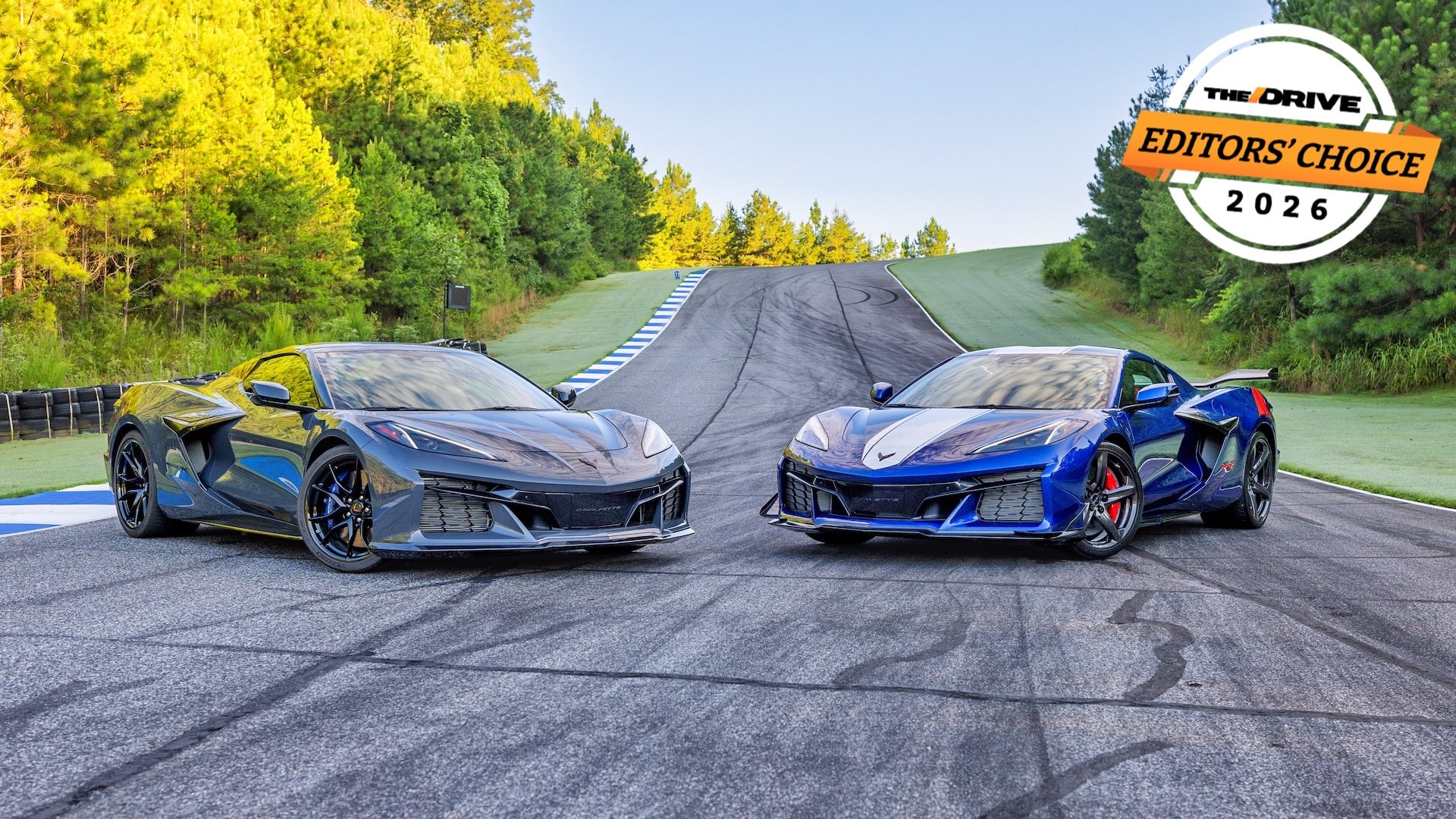
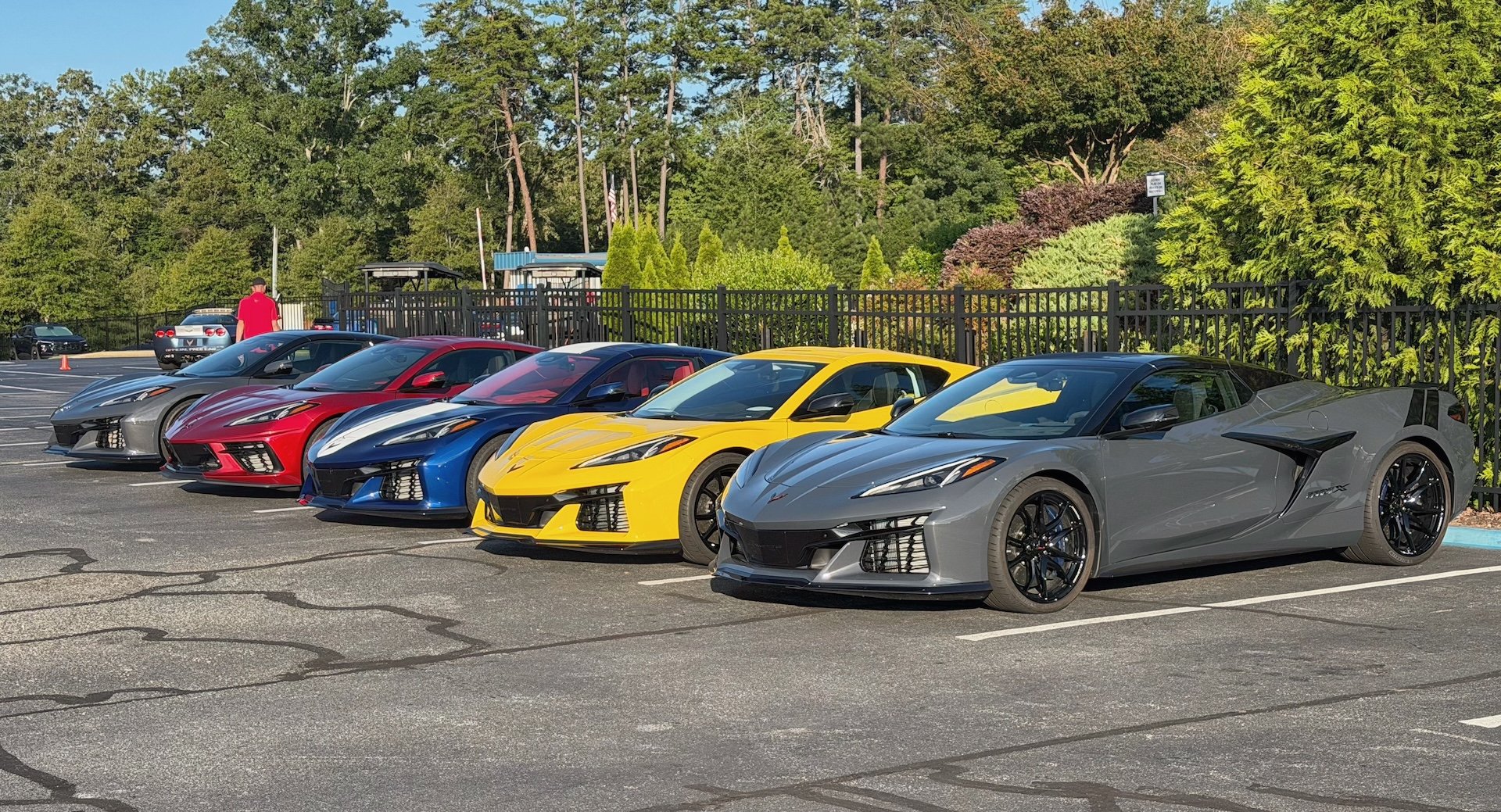
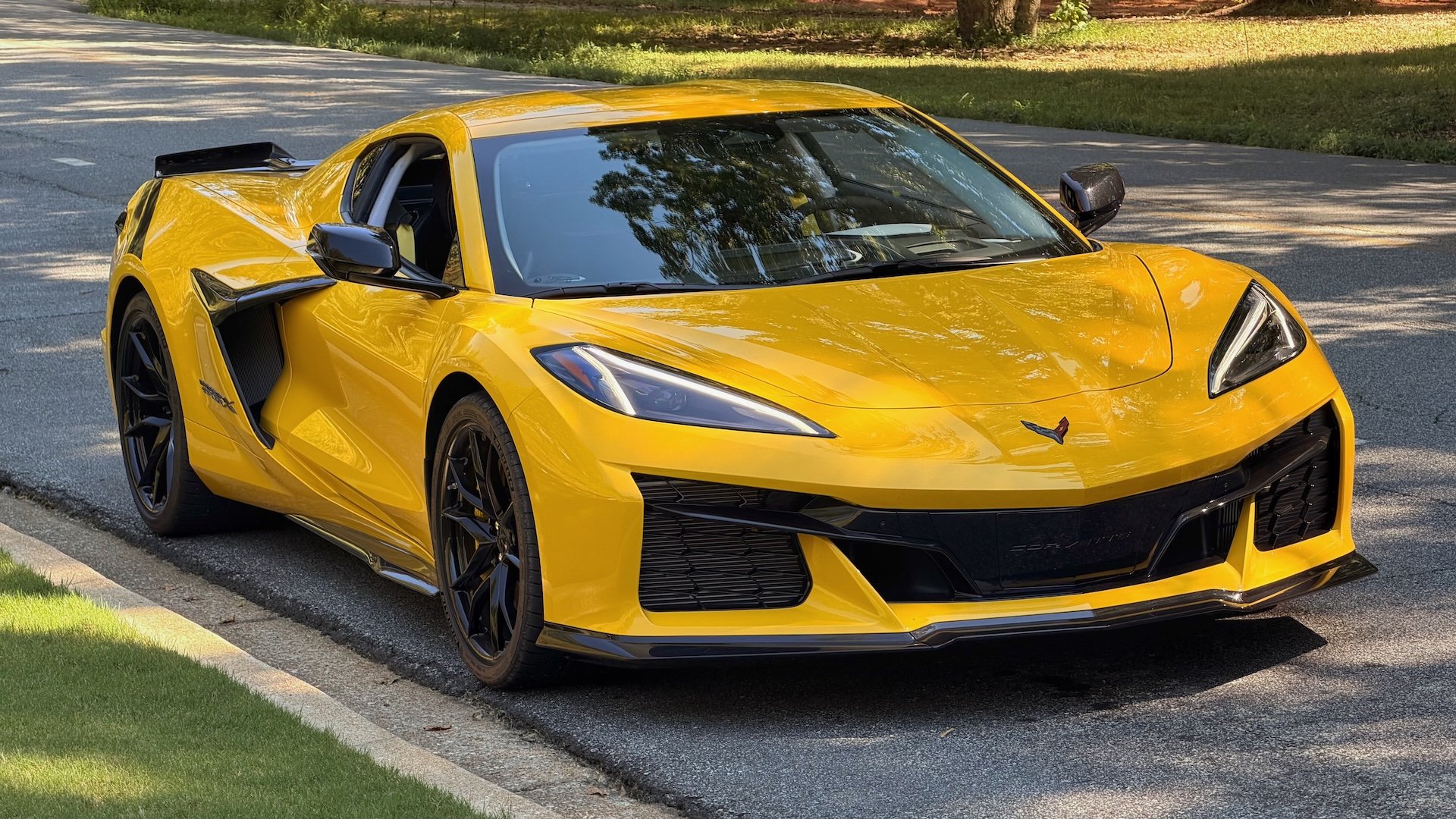
The 2027 Chevrolet Corvette Grand Sport is finally here, and so is its electrified, all-wheel-drive twin, the 2027 Chevrolet Corvette Grand Sport X (RIP E-Ray). Behind the cockpit of these driver-focused trims sits the automaker’s next-generation high-performance V8: the LS6. The new 409-cubic-inch V8 is also making its way into the base-model Stingray for 2027 models, meaning that buyers are now spoilt for choice when it comes to choosing the mid-engine ‘Vette that fits their performance and budget needs.
The Stingray offers 535 horsepower and 520 lb-ft of torque, which carries over into the rear-wheel-drive Grand Sport (the GS gets an array of handling and appearance upgrades; more on this later), while the big-daddy Grand Sport X then gets help from a permanent magnetic drive motor on the front axle, which bumps its performance credentials to 721 hp.
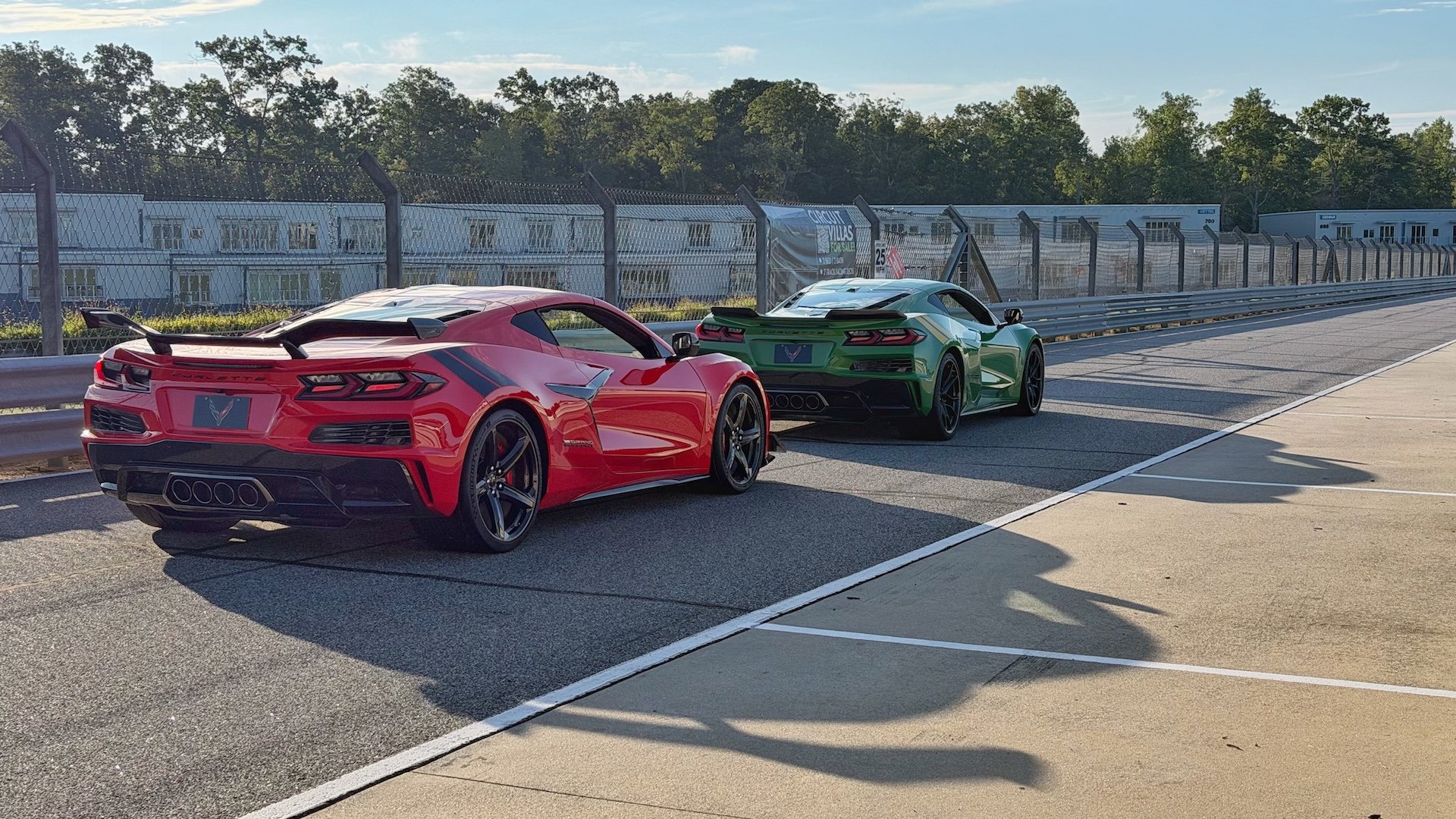
I recently drove the Grand Sport and Grand Sport X on the track and the street, but the base Stingray only on the latter. And while you might not expect a big difference between three variants of the same model powered by the same engine, you’d be surprised just how unique the character of each car really is. That’s even true of the GS and GS X, where, in theory, the “only” difference is the active front axle and extra power.
Without further ado, here’s your LS6 explainer and 2027 Chevy Corvette buying guide:
New LS6
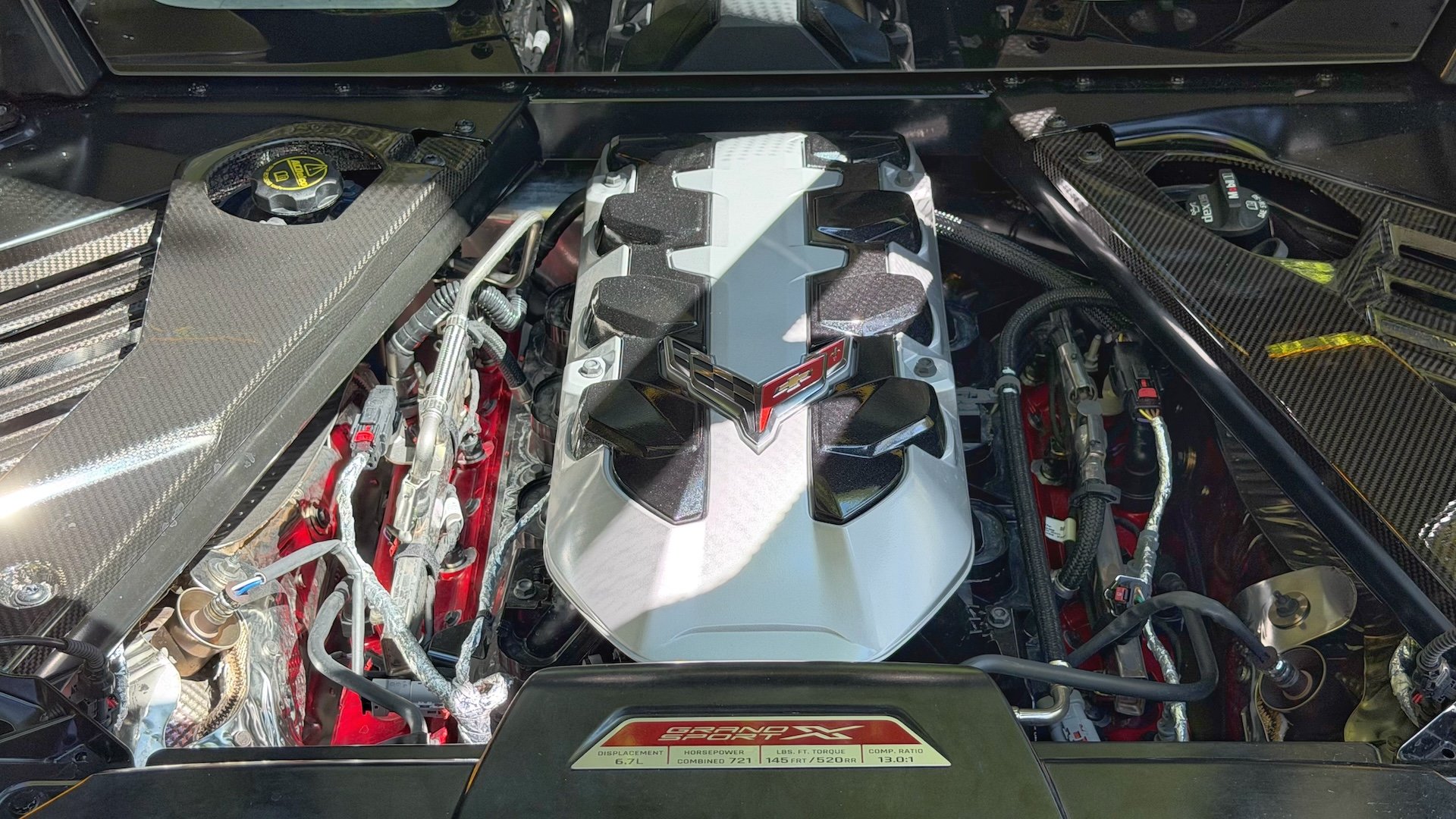
GM didn’t mince any words with the opening line of its press release: “This next-generation V8 produces more torque than any other naturally aspirated V8 before it.” It’s true. Its 520 lb-ft of torque eclipses its predecessor, the LT2, which offered 470 lb-ft of twist. Then there’s the obvious displacement upgrade, from 6.2 liters in the old mill to 6.7 liters in the new one. And lastly, horsepower is up a very healthy 45 ponies, from 490 hp to 535.
Under the direction of assistant chief engineer Mike Kociba, who proudly proclaims that “there’s no replacement for displacement,” the new 6.7-liter mill boasts a 13.0:1 compression ratio—the highest ever for Corvette—for sharper response and a 95-mm throttle body with a tunnel ram intake featuring high-velocity ports to move more air. There’s also a new lubrication system, forged pistons and rods, and revised exhaust manifolds that ensure durability in extended high-load, high-temperature environments.
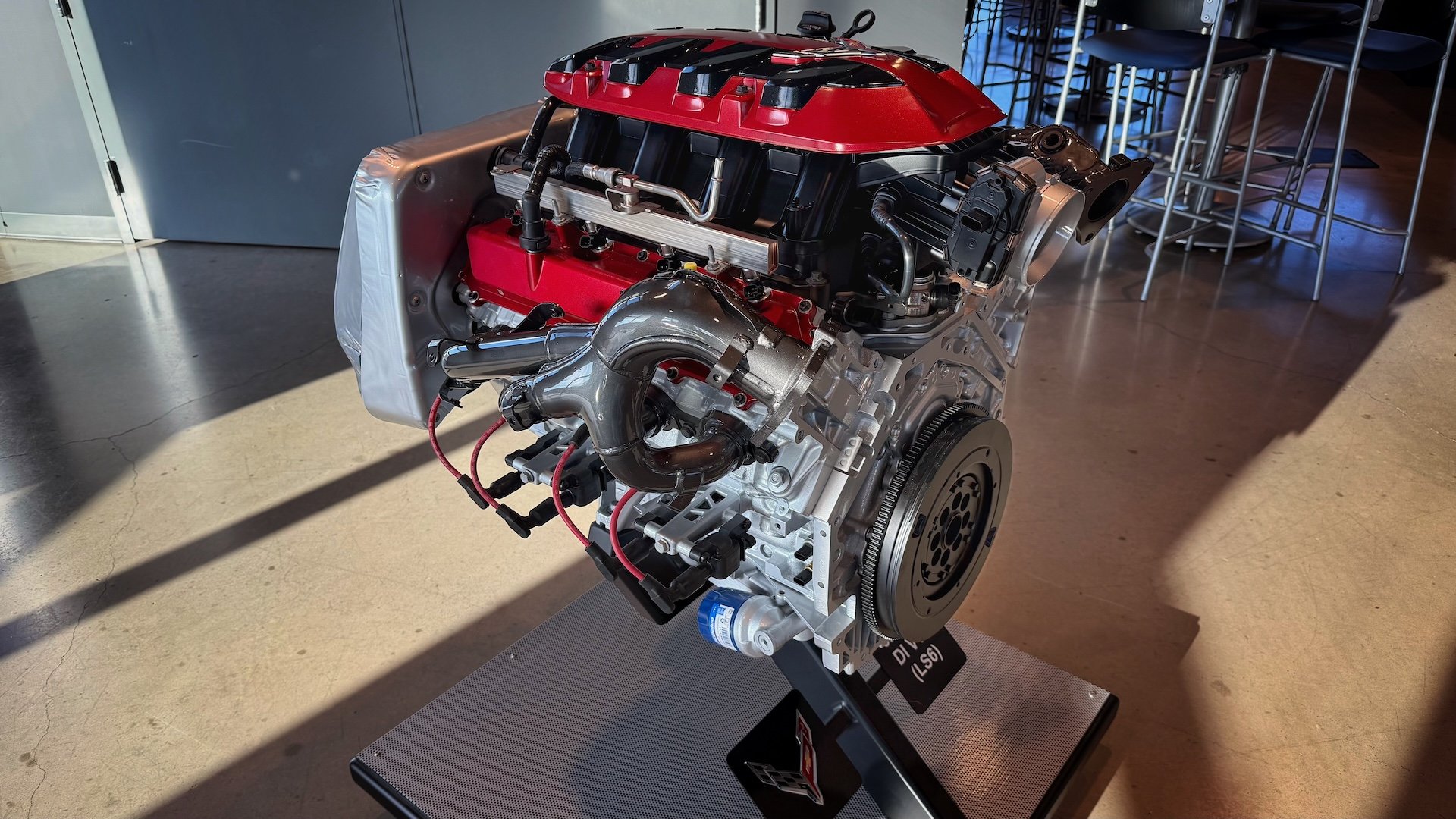
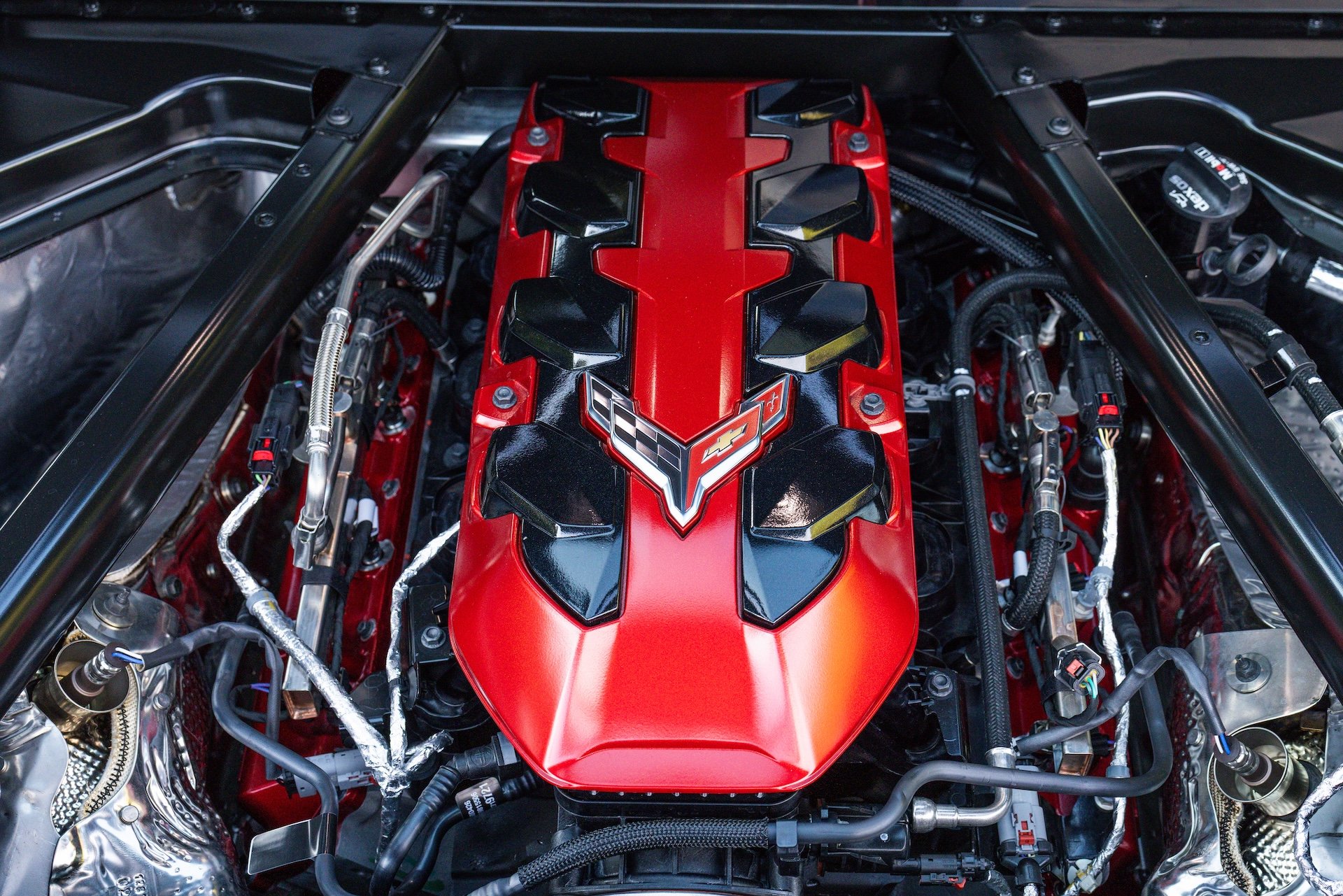
When it comes to putting the power down to the ground, buyers can choose from an eight-speed, dual-clutch automatic transmission or a… well, actually, that’s it.
2027 Corvette Stingray: The Everyday ‘Vette
It may be the cheapest, but while hopping in and out of the three Corvettes that day, I never got the feeling that I was in a base-model car. Of course, depending on options and packages, there may be some differences in materials, color choices, and performance—but the Stingray succeeds at offering the core Corvette experience.
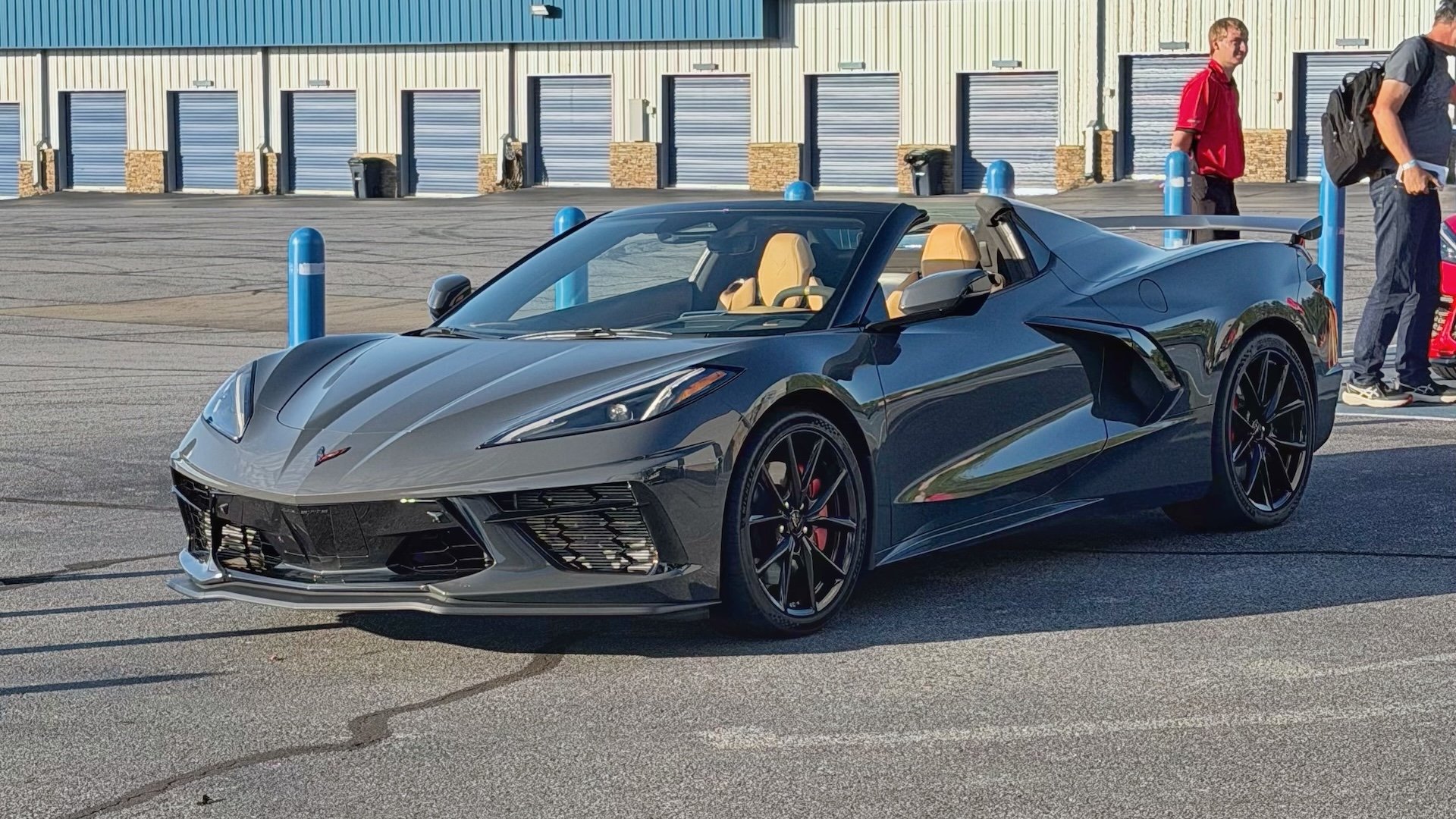
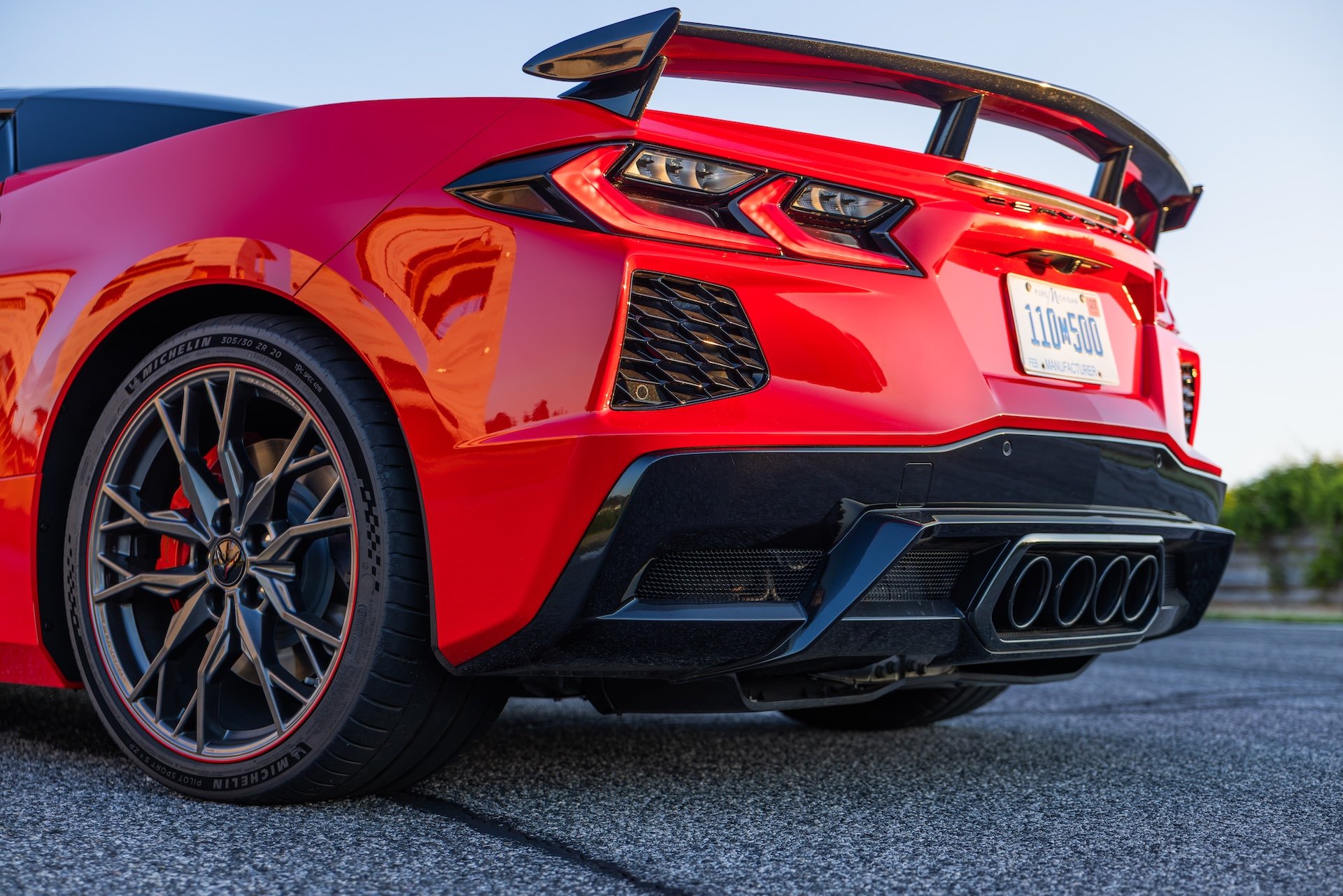
The V8 in the Stingray produces 535 hp and 520 lb-ft of torque. The test car I drove on public roads near Atlanta Motorsports Park was a 3LT with the Z51 performance package, which included new suspension tuning via its optional magnetic ride control. The final drive ratio is shorter for 2027 to improve throttle response, and Chevy also claims improved aero performance, while opting for the new Michelin Pilot Sport S 5 as a stock tire.
The LS6 feels at home in the base car, providing robust acceleration and, best of all, a really good tune to listen to on your commute or weekend getaway. The engine is loud by nature, but Chevy’s tuning of the programmable driving modes really makes it sing loud and proud—or not, should you choose a quiet start-up or a chill “Tour” mode. Bump that up to Sport or Track, and I hope you brought ear protection, especially if you’re driving a long distance. A side exhaust setup remains the standard option, but buyers can now opt for a center exit, and yes, it makes a difference. The latter is richer in bass and therefore sounds fuller, as you can hear in this video.
On the road, the Stingray is just about everything you expect and could want. It’s quick on its feet, and it’ll go like stink when you ask it to. You’ll feel the increased power, but you’ll really feel the extra torque, which matches the car quite well, as it already feels like a sports car with a pinch of muscle car. Also, it’s relatively friendly at high speed, unless really pushed to its limits. The ride quality in my tester was more than satisfactory; a good thing given the infamous Atlanta traffic.
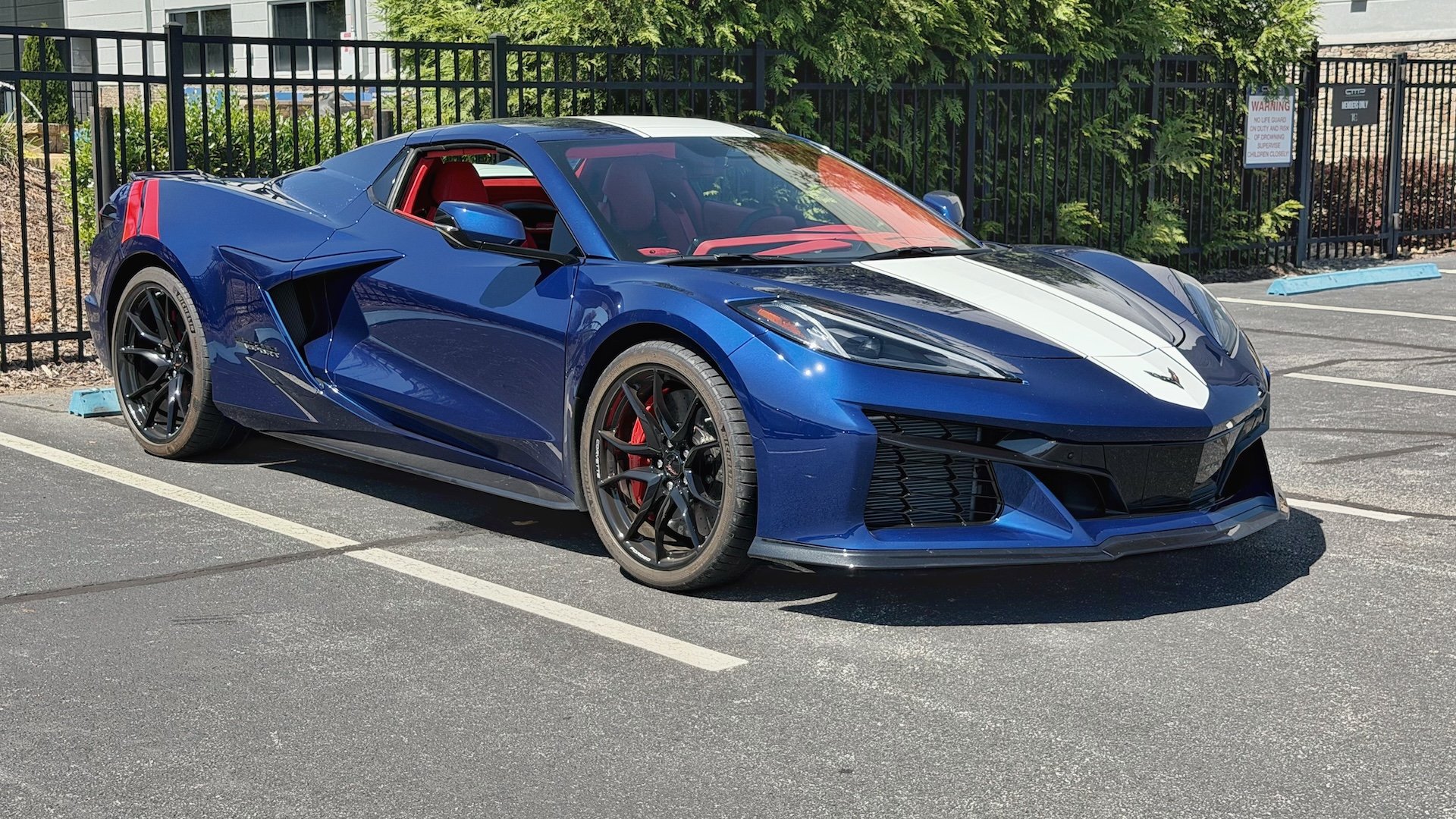
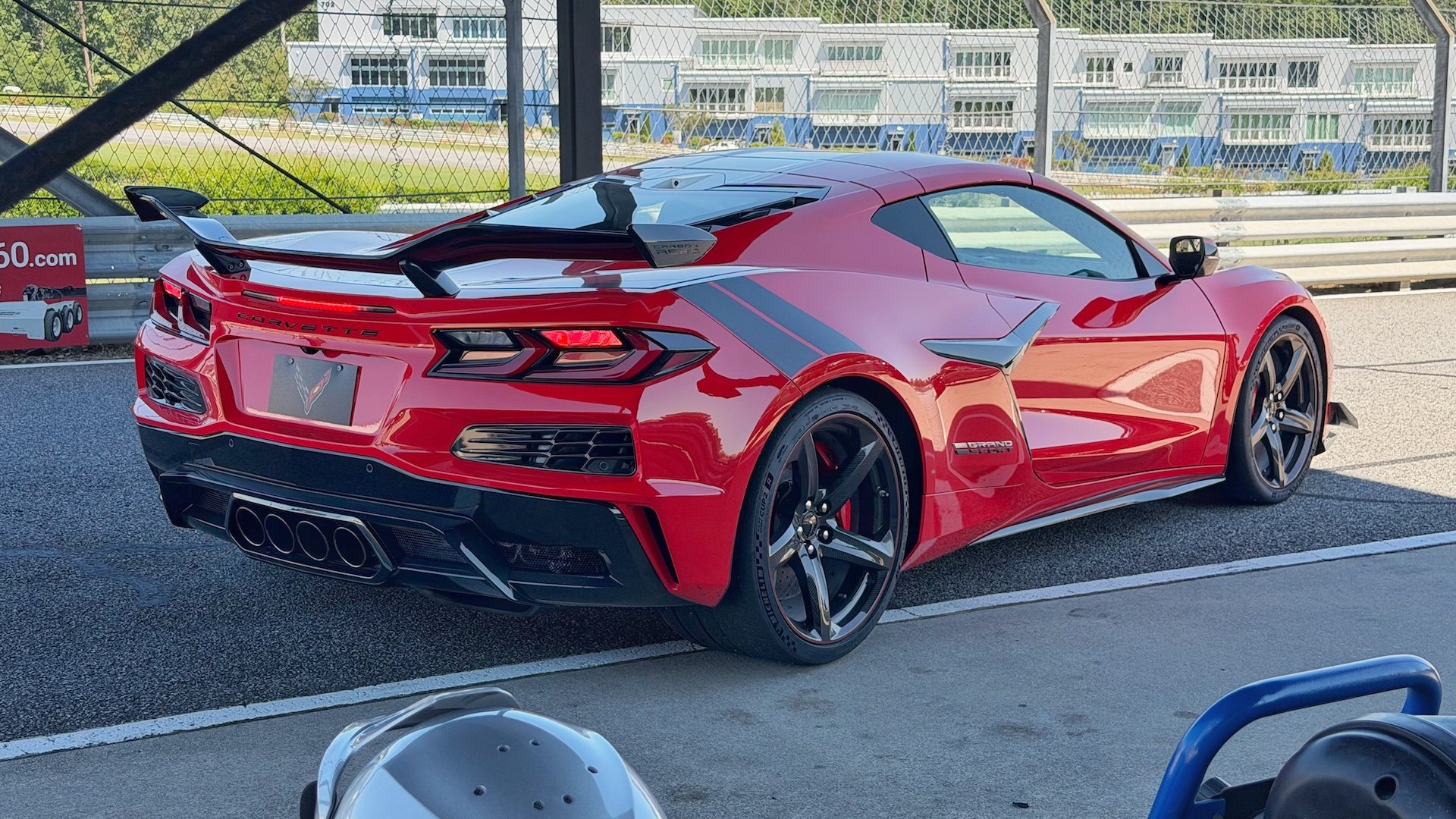
2027 Corvette Grand Sport: The Sweet Spot
Atlanta Motorsports Park is a difficult track. It’s a real driver’s circuit that puts your skills to the test, but, perhaps more importantly, it also puts many of the car’s capabilities to the test. Suspension and brake components are tortured lap after lap due to its elevation changes and banked or off-camber corners. Most of all, however, it reveals how good a car’s balance is, and whether it can put the power down to the ground on its long and fast corners—one of which is a 100+ mph left-hander.
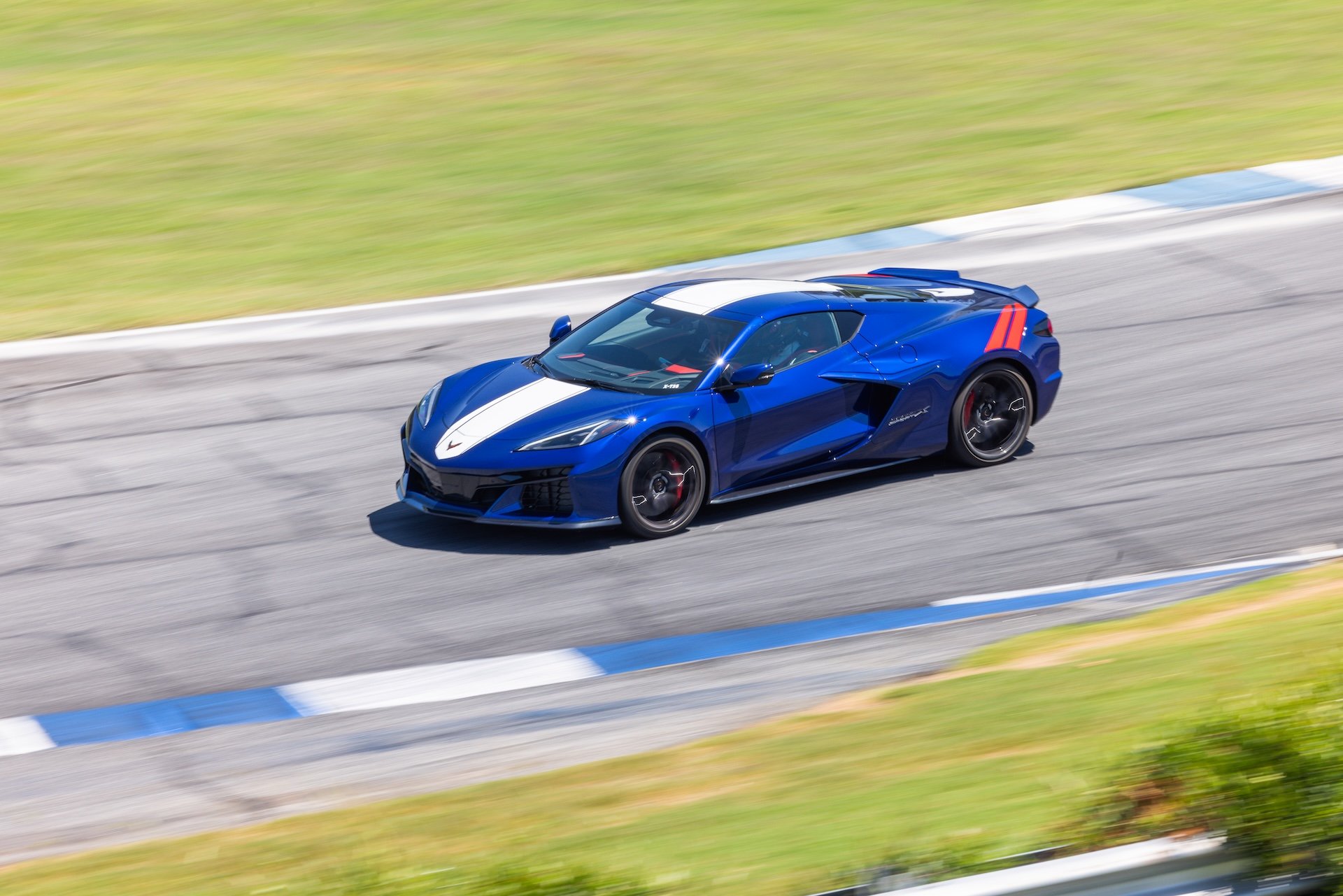
Push your right foot down, and the Grand Sport lurches forward like a bat out of hell and straight into two esses, which right away show you how nicely dialed-in the steering is. The GS is a precision instrument, and this attribute really shines on the following corner, an uphill left-hander that opens up and then closes in as the elevation drops and the track disappears from your field of vision. Both the front and rear right tires are absolutely screaming through this 50- to 60-mph corner. As explosive as the LS6 is, it’s also gentle and builds power progressively, a byproduct of its increased displacement.
The tarmac never quite straightens out all the way, but I’m able to reach wide-open throttle for a couple of seconds before slamming on the brakes again for yet another tight corner with a big elevation change. In a nutshell, AMP is this same scenario over and over again. The Grand Sport feels at home here, with its healthy power and torque, dialed-in suspension, and great driving dynamics. Sadly, the GS and GS X I drove on track featured the more comfortable Competition Sport seats, which are great for the street but lack bolstering for the kind of extreme cornering speeds that AMP offers. Fun fact: When building a Corvette from the ground up, you’re now able to outfit it with two different seats, meaning the driver can opt for the track-day-friendly GT1 and GT2 seats, but choose a less hardcore seat for the passenger.
2027 Corvette Grand Sport X: The Modern Racer’s Corvette
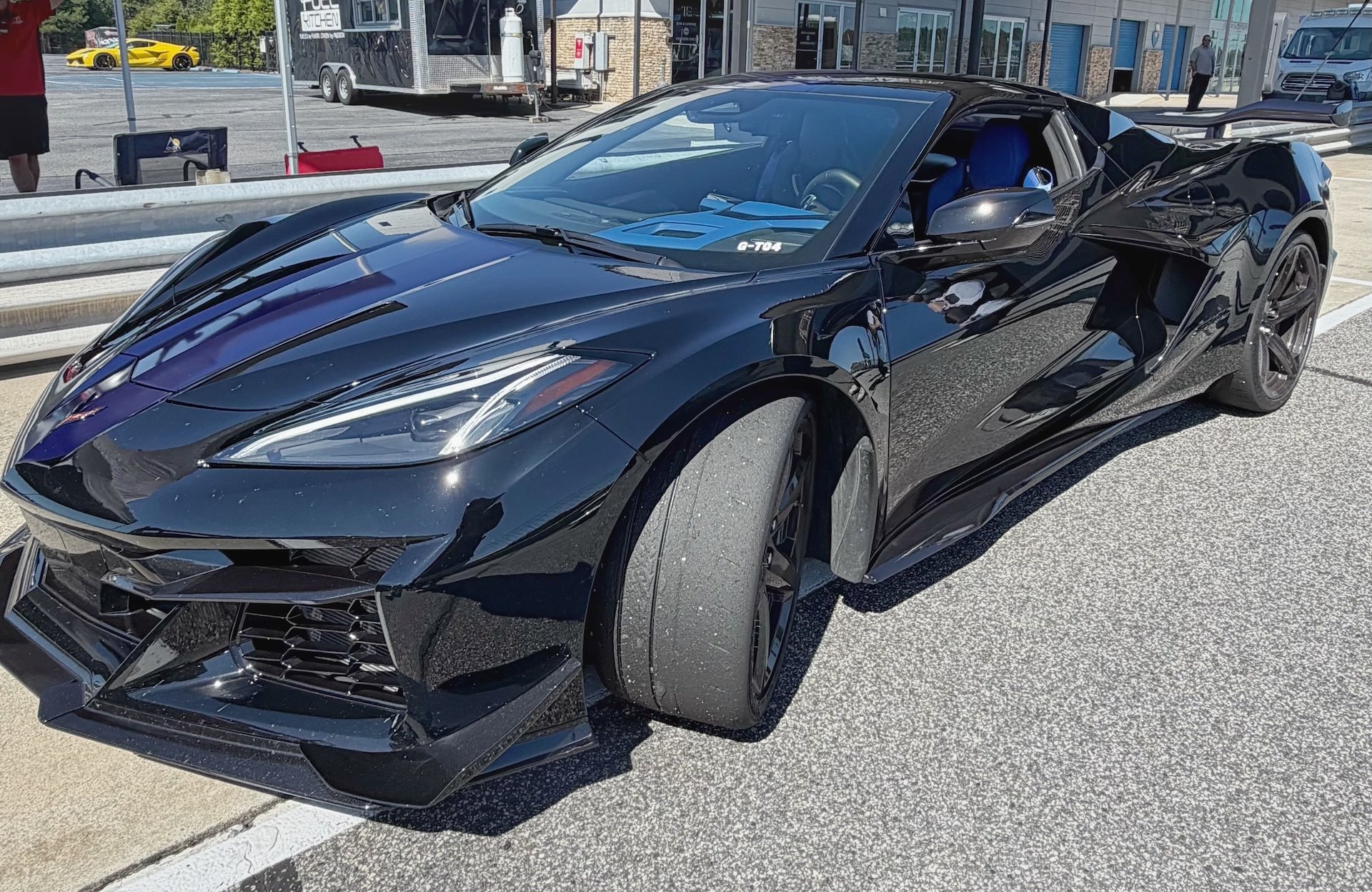
JR Hildebrand came as close as anyone can to winning the Indy 500 (with the exception of David Malukas this year), but since that heartbreak in 2011, he has gone on to deliver impressive drives in IMSA and most recently, Pikes Peak. After setting the hybrid production car record at Pikes Peak this year in a 1,250-hp Corvette ZR1X, it was only fitting that I hopped in a GS X with him for a few laps around AMP. But before I was thrown around like a rag doll by Hildebrand, I set out to find out what the evolution of the Corvette E-Ray had to offer.
The first thing I noticed, aside from the wider Z06 body kit, was how much heavier the front end felt, and I’m not talking about the steering. (However, Track mode boosts the steering more than I’d like in both GS and GS X.) After enough laps, this sensation goes away because you get used to it, but this heavier feeling eventually turns into a net positive when you begin to realize how much more front-end grip this car has over its rear-drive sibling. A lot more. The two especially long, tight, and fast corners that I mentioned above are much less challenging to take at higher speed in the X. I don’t mean that it’s less intimidating at all, because it isn’t, but it does feel like the car is better planted, and you feel slightly less nervous about pushing the front tires beyond their grip limit.
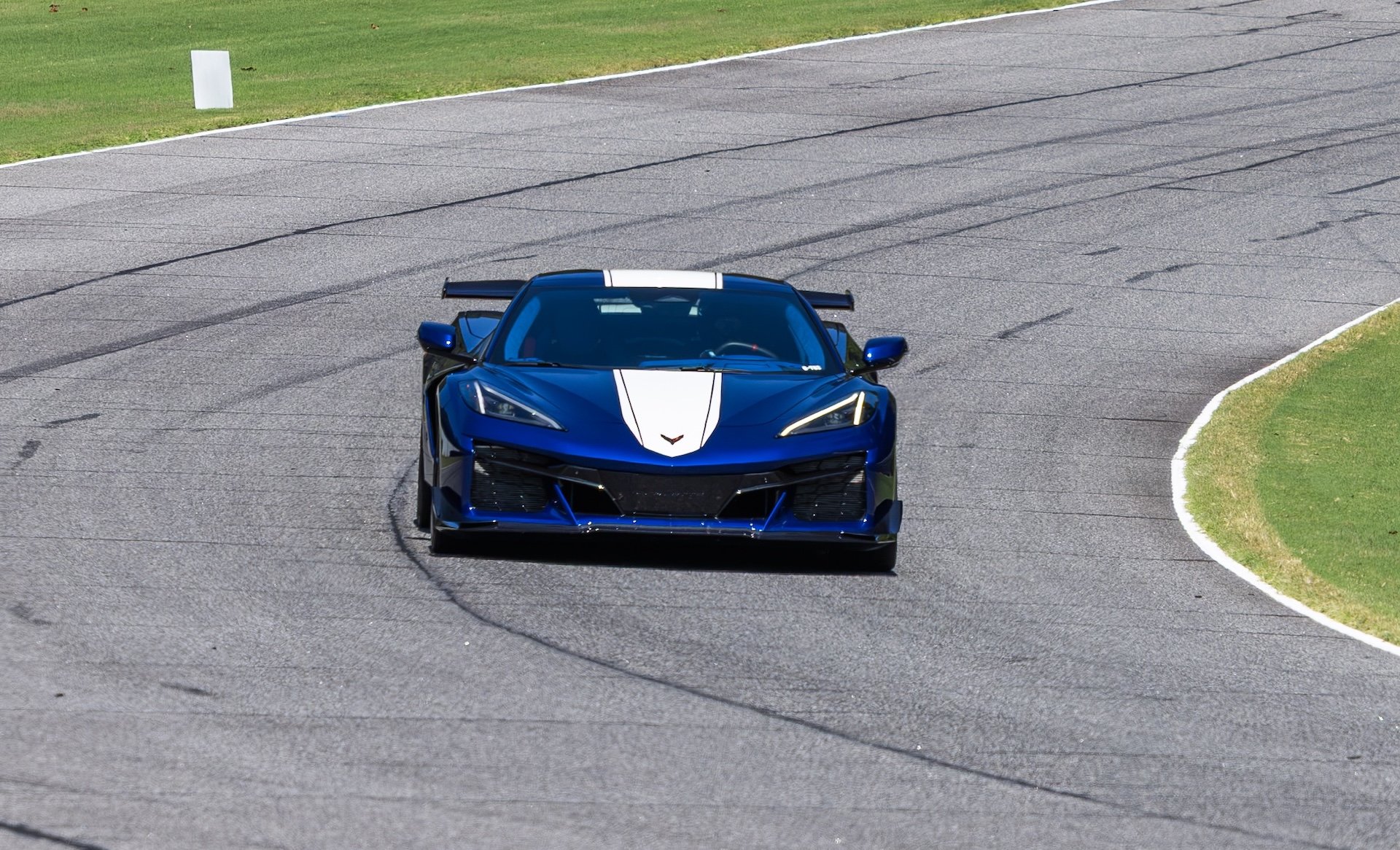
The biggest difference between the two Grand Sports, besides the electrified front axle, is the power rating. It’s a big jump from 535 to 721, and boy, do you feel it. However, you don’t feel a gut-punch as you’d expect. The extra power is evident at the edges of performance, such as the low and high end, like when coming out of a corner at full tilt or when you’re really nearing the top of the rev range. You can even hear the extra power, because Chevy added a silly spaceship sound that kicks in when you’re at full throttle or when you manually deploy the battery power via a switch on the steering wheel. It’s pretty cheesy.
This is the ultimate expression of the LS6, and it makes you smile from ear to ear—unless you’re riding shotgun with Hildebrand, of course, because then you’re just trying not to throw up all over the dash.
Verdict
Three different flavors, three different levels of performance, three price points, one great engine: the 6.7-liter LS6. If I had to spend my own money on one of these, it’d be the plain Grand Sport, and I’d add the $3,500 Z52 performance package, which adds summer performance tires, (steel) performance brakes, and active dampers.
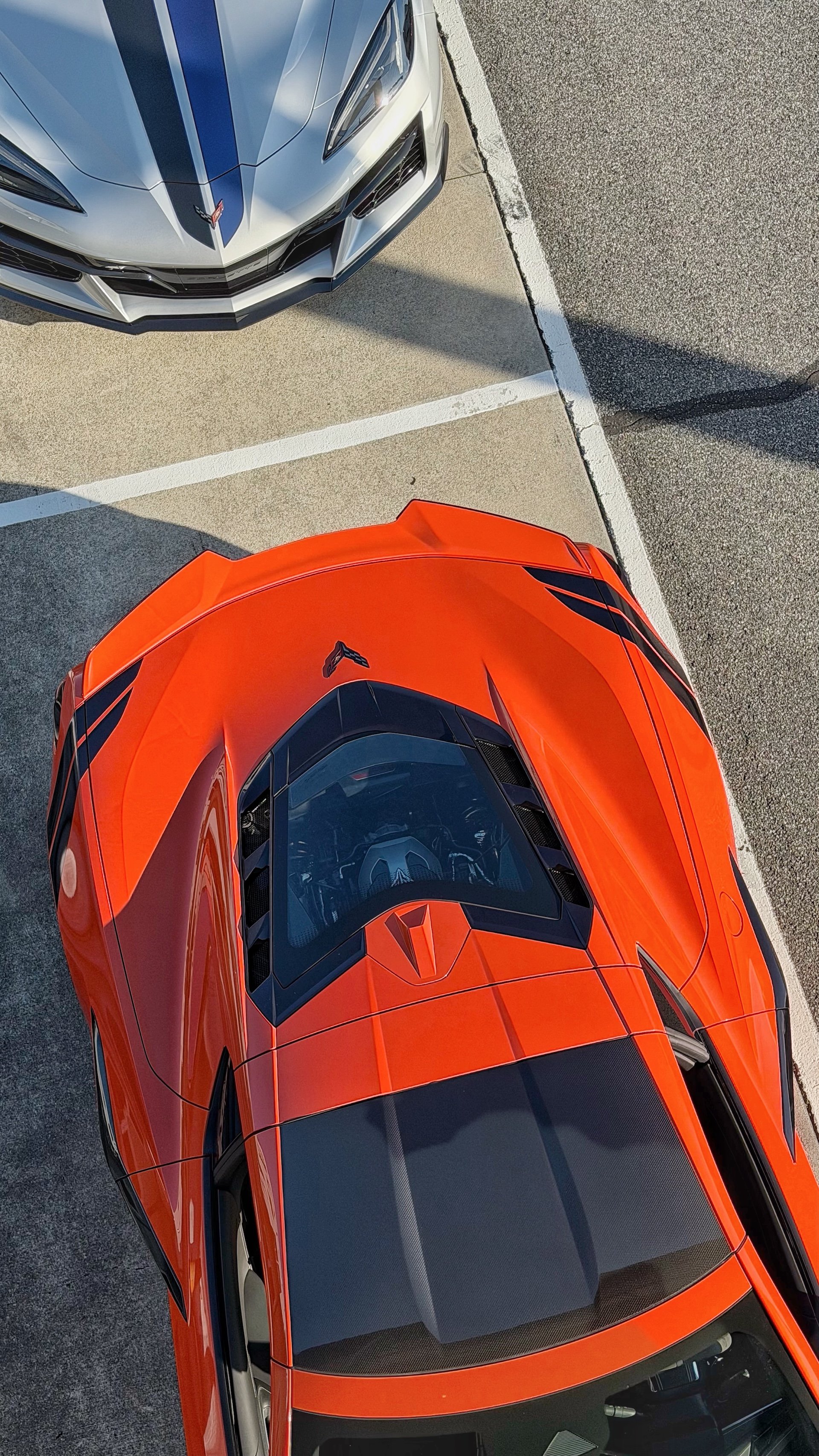

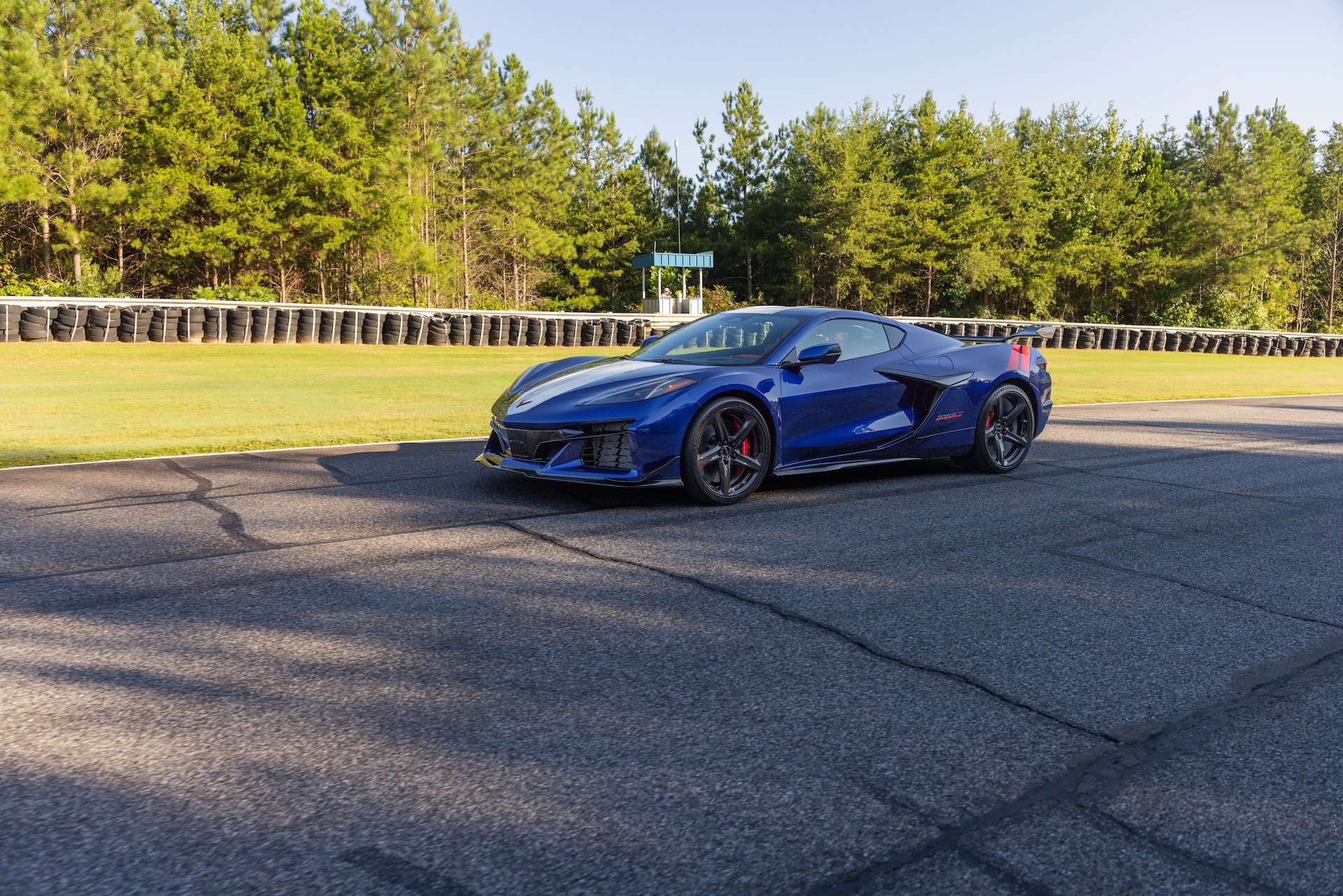
The X is a phenomenal piece of engineering and an extremely capable track machine—and, not to mention, its all-wheel-drive system means you can drive it year-round and up to about four inches of snow, according to GM engineers who drive their test cars through Michigan winters. That said, its price is just too steep. I prefer the GS’s less complicated approach to traditional hot-rodding, and I don’t have to turn off the silly spaceship sound every time I go for a drive.
If you’re trying to ball on a “budget,” there’s always the Stingray, which, depending on the packages you get, can practically be a Grand Sport without the badge.
Chevy provided The Drive with travel, accommodations, and access to the vehicle for the purpose of writing this review.
2027 Chevrolet Corvette Stingray, Grand Sport, X Specs
| Stingray | Grand Sport | Grand Sport X | |
| Base Price | $75,990 | $90,990 | $114,195 |
| Powertrain | 6.7-liter V8 | 8-speed dual-clutch automatic | rear-wheel drive | 6.7-liter V8 | 8-speed dual-clutch automatic | rear-wheel drive | 6.7-liter V8 and permanent magnetic drive single motor | 8-speed dual-clutch automatic | all-wheel drive |
| Horsepower | 535 | 535 | 721 |
| Torque | 520 lb-ft | 520 lb-ft | 520 lb-ft |
| Seating Capacity | 2 | 2 | 2 |
| Curb Weight | 3,520 lbs | 3,520 lbs | 3,800 lbs |
| 0-62 mph | 2.8 seconds | 2.75 seconds | 2.4 seconds est. |
| EPA Fuel Economy | 15 mpg city | 25 hwy | 18 combined | 15 mpg city | 23 hwy | 17 combined | 15 mpg city | 24 hwy | 18 combined |
| Score | 8/10 | 9/10 | 8/10 |
Email the author at jerry@thedrive.com
Loading comments…
Comments couldn’t be loaded. Please refresh the page.